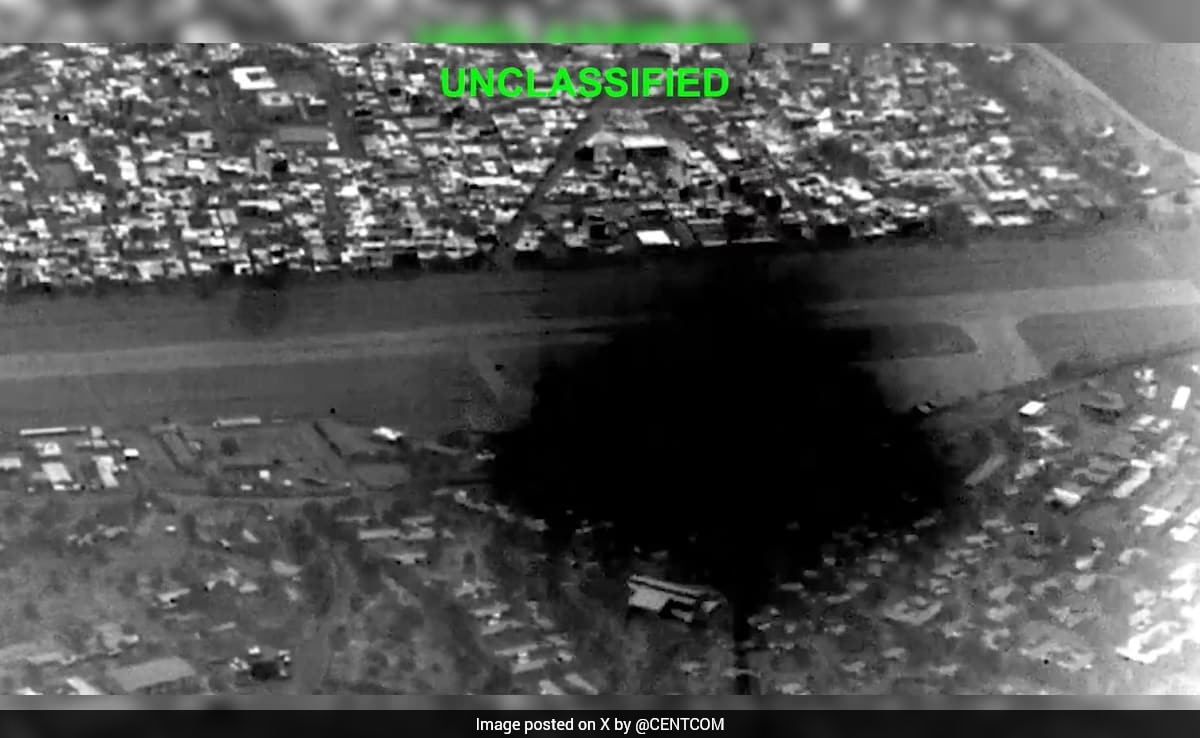
U.S. forces struck more than 90 military targets on Iran's Kharg Island — destroying naval mine and missile storage facilities — while CENTCOM says oil infrastructure was spared. Kharg handles roughly 1.55 million bpd of Iran's ~1.7 million bpd exports and held about 18 million barrels of crude (capacity ~30 million barrels), so the attack and threats of wider strikes or retaliation elevate the risk of major supply disruption through the Strait of Hormuz (about 20% of global flows) and are driving market risk-off and higher oil prices.
The immediate market impulse is a spike in sea‑borne risk premia: higher insurance, longer voyage routings and precautionary ballast/idle decisions raise tonne‑mile demand and compress available VLCC/AFRA capacity. Mechanically, a 5–10% effective shrink in deployable tonnage would translate into multi‑week TCE upside (historically $5k–$25k/day on VLCCs), supporting equity re‑rating for pure play owners in the short run.
On the demand side, large refiners and strategic buyers will front‑load purchases and lean into alternative supplier chains, drawing down local storage and elevating prompt crude and freight spreads versus calendar. That dynamic favors assets exposed to near‑term tightness (floating storage, port terminal receipts) while penalizing low‑flexibility refiners and inventory‑short traders that rely on fixed, scheduled liftings.
Escalation risk is highly asymmetric: limited, tactical disruptions are tradable; systematic damage to export corridors or deliberate interdiction of energy infrastructure would materially alter global trade patterns for quarters to years and prompt sovereign intervention (strategic releases, diplomatic corridors). The key reversals are policy (ceasefire/escrowed transit guarantees) or rapid relief via alternative corridors and insurance normalization — any of which can unwind most premia within 4–8 weeks.
Second‑order winners include pure‑play tanker owners, floating storage counterparties and short‑dated Brent basis longs; losers are refiners with thin crude flexibility, regional logistics operators facing reroute costs, and insurers carrying concentrated hull/tank risk. Consensus often prices persistent structural loss of barrels — historical analogues show re‑routing and demand smoothing typically recoup >60% of transient supply shocks within two months, so position sizing and time‑decay management are critical.
AI-powered research, real-time alerts, and portfolio analytics for institutional investors.
Request DemoOverall Sentiment
strongly negative
Sentiment Score
-0.80
Ticker Sentiment
