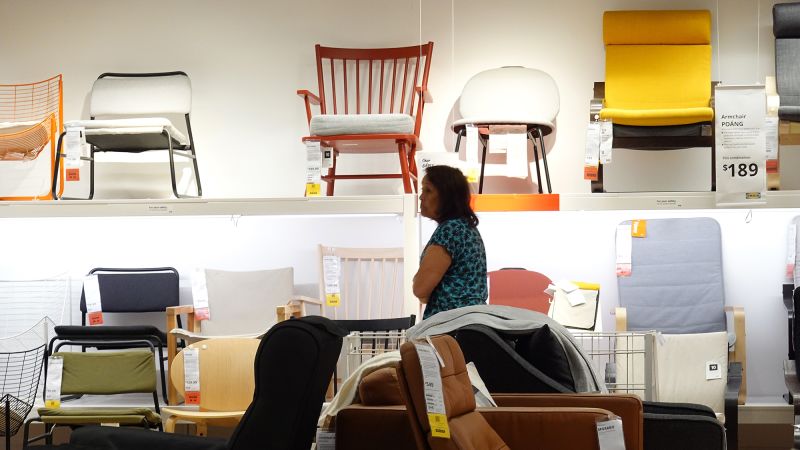
President Trump has threatened "substantial Tariffs" on countries that do not produce furniture domestically, building on recent announcements for new tariffs on kitchen cabinets, upholstered furniture, foreign films, branded drugs, and trucks. This policy escalation follows a 4.7% year-over-year increase in U.S. furniture prices, the largest in three years, attributed to existing tariffs. A looming Supreme Court case in November will challenge the legal authority for some of these country-specific tariffs, potentially leading to significant business refunds, while national security-based sectoral tariffs remain legally unchallenged, creating market uncertainty and potential trade disruptions.
The administration is escalating its protectionist trade policy with a new, albeit ambiguous, threat of "substantial Tariffs" on furniture-exporting countries, amplifying an already uncertain environment for importers. This follows recently announced duties, including a 50% tariff on kitchen cabinets and a 30% tariff on upholstered furniture. The direct inflationary impact of this policy is already evident in US economic data; the Consumer Price Index for furniture and bedding has risen 4.7% year-over-year as of August, marking the largest increase in three years and reversing a multi-year trend of price declines. The policy specifically risks disrupting supply chains from China and Vietnam, which collectively exported $24 billion in furniture to the US last year. Compounding the uncertainty is a significant legal challenge, with a Supreme Court case in November set to determine the legality of country-specific tariffs. A ruling against the administration could result in substantial refunds for businesses, creating a binary risk event, while sectoral tariffs based on national security grounds remain unchallenged. This broad-based tariff strategy, now also targeting foreign films, drugs, and trucks, suggests a persistent and unpredictable policy risk for multiple sectors, driven at least in part by domestic political considerations such as the upcoming Senate election in North Carolina.
AI-powered research, real-time alerts, and portfolio analytics for institutional investors.
Overall Sentiment
moderately negative
Sentiment Score
-0.55
