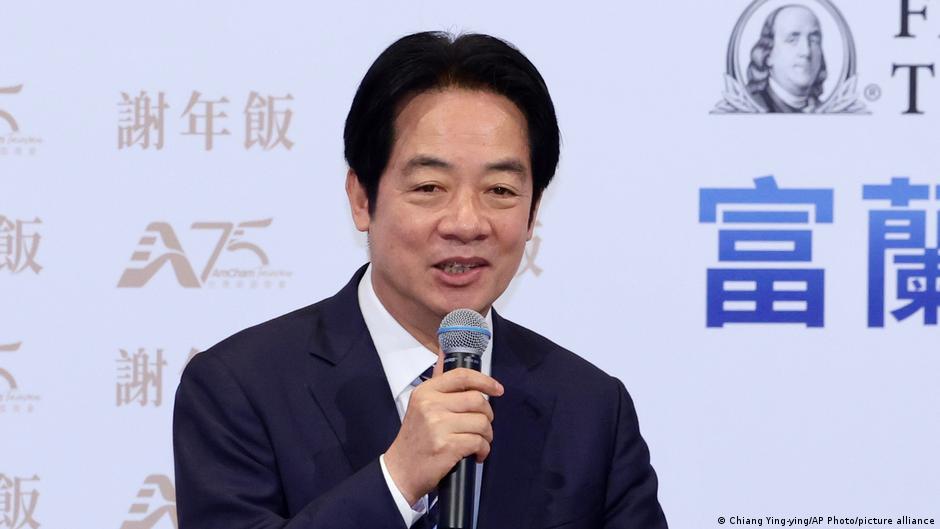
Taiwan President Lai Ching-te’s April 22-26 trip to Eswatini was canceled after Seychelles, Mauritius and Madagascar withdrew overflight permits, reportedly under Chinese pressure. China said it had 'high appreciation' for the countries’ actions and reiterated its opposition to Taiwan’s diplomatic space. The incident underscores rising geopolitical pressure on Taiwan and could briefly affect sentiment toward regional diplomatic and trade relations, though direct market impact is likely limited.
The immediate market signal is not Taiwan risk in isolation, but the normalization of extraterritorial economic coercion as a tool China can deploy with very low marginal cost. That raises the probability that third-country service providers — airlines, insurers, aircraft lessors, and even airport authorities — quietly preemptively align with Beijing to avoid commercial retaliation, which is a slow-burn negative for any Taiwan-linked travel, diplomacy, and event-security ecosystem over the next 6-12 months.
The more important second-order effect is on Taiwanese domestic politics. If the opposition is seen as unable to extract even symbolic diplomatic space after engaging Beijing, that likely hardens the incumbent camp's narrative that cross-strait accommodation does not reduce coercive pressure. That is mildly bullish for defense procurement continuity and for firms with Taiwan exposure that benefit from higher strategic urgency, while being negative for sectors reliant on stable cross-strait normalization, especially travel, hospitality, and discretionary consumer categories sensitive to geopolitical headline risk.
There is also a subtle but meaningful China signaling angle: Beijing is testing how much it can constrain Taiwan's external movement without triggering a broad U.S./EU response. Because the action is below the threshold of sanctions or military escalation, the downside is mostly reputational and incremental rather than immediate. The upside for Beijing is precedent-setting — if unchallenged, similar pressure can be reused around multilateral forums, trade missions, and election-period travel, creating a recurring overhang rather than a one-off event.
Consensus may be underestimating how durable this becomes. The market often fades isolated diplomatic flareups, but the combination of economic coercion, third-country compliance, and domestic polarization suggests a ratchet effect: each successful blockage lowers the cost of the next one. The risk is not a single tradeable shock but a gradual repricing of Taiwan geopolitical optionality and a higher volatility floor for any asset or company exposed to Asia route planning, sovereign relationships, or cross-strait sentiment.
AI-powered research, real-time alerts, and portfolio analytics for institutional investors.
Request TrialOverall Sentiment
mildly negative
Sentiment Score
-0.15
Ticker Sentiment
