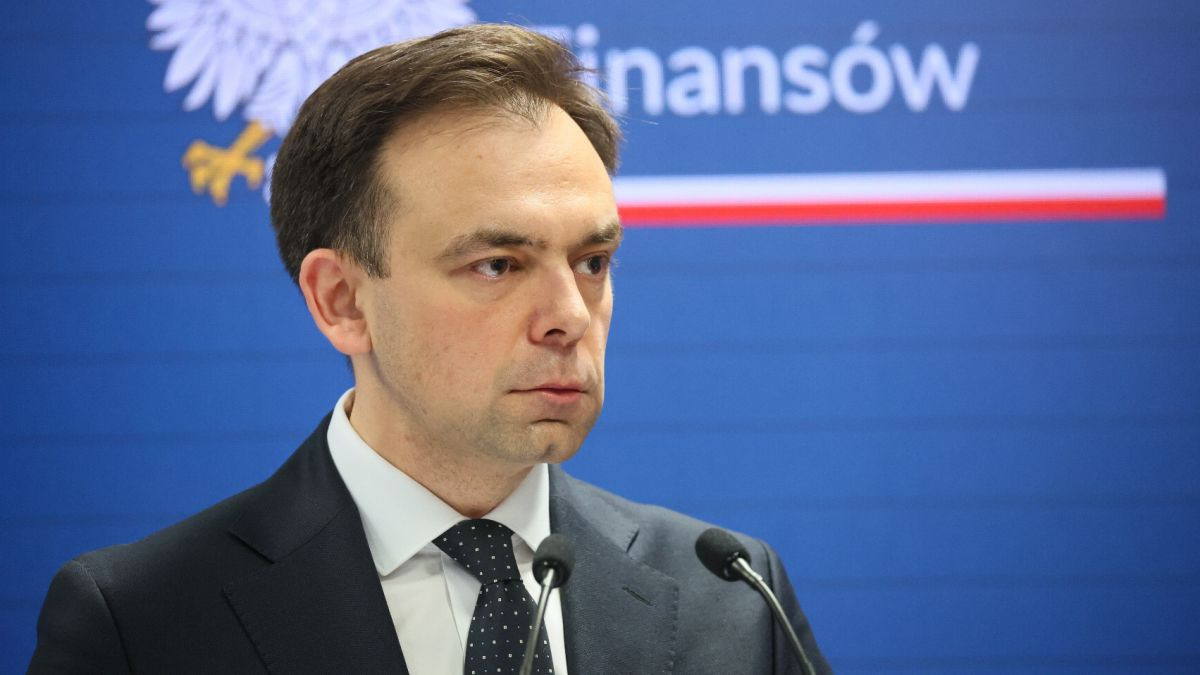
Poland’s finance minister called for the EU’s €90 billion loan to Ukraine to be released as soon as possible after Viktor Orbán’s defeat in Hungary opened the door to unblocking the package. Hungary’s new leadership says it will not block the loan and will shift toward a more pro-EU stance, easing a key veto that had stalled support for Kyiv. The funds are expected to help Ukraine cover its budget deficit, maintain public services, and meet defense needs over the next two years.
This is less about one funding line item and more about a regime shift in EU coalition math. A post-Orbán Hungary removes a persistent veto over Ukraine support, which should compress the probability distribution around European fiscal backing and lower near-term tail risk for Kyiv’s sovereign liquidity path. That matters because war funding is increasingly a bridge-to-election-cycle problem: if Brussels can show continuity, the market can begin to price a slower deterioration in Ukraine’s external financing profile rather than an imminent cash cliff.
The second-order effect is on European defense and infrastructure beneficiaries, not just sovereign risk. More reliable EU funding extends Ukraine’s ability to sustain procurement, logistics, air defense, and public-services continuity, which supports a longer runway for Western suppliers and contractors tied to reconstruction, border logistics, and munitions replenishment. At the same time, the new Hungarian government’s stated willingness to stop veto-blocking reduces headline risk around broader EU sanctions/energy decisions, which is mildly negative for Russian-linked trade routes and any lingering Central European energy optionality tied to Moscow.
The key risk is execution, not intent. Hungary may change posture quickly, but EU disbursement mechanics, unanimity thresholds, and domestic political friction in Budapest/Brussels can still delay capital by weeks to months; that gap is where markets tend to misprice relief. A second risk is that easier aid approval can be read as de-escalatory, causing temporary underperformance in defense names if investors extrapolate a negotiated path that is not yet visible militarily.
Contrarian view: the market may overrate how much one election removes the veto overhang. Orbán’s departure improves the process, but it does not eliminate the structural problem that EU support remains politically fragile and time-sensitive. In our view the more durable trade is to treat this as a gradual de-risking event for Ukraine financing and European defense backlogs, not a binary break in the war premium.
AI-powered research, real-time alerts, and portfolio analytics for institutional investors.
Request DemoOverall Sentiment
neutral
Sentiment Score
0.12
Ticker Sentiment
