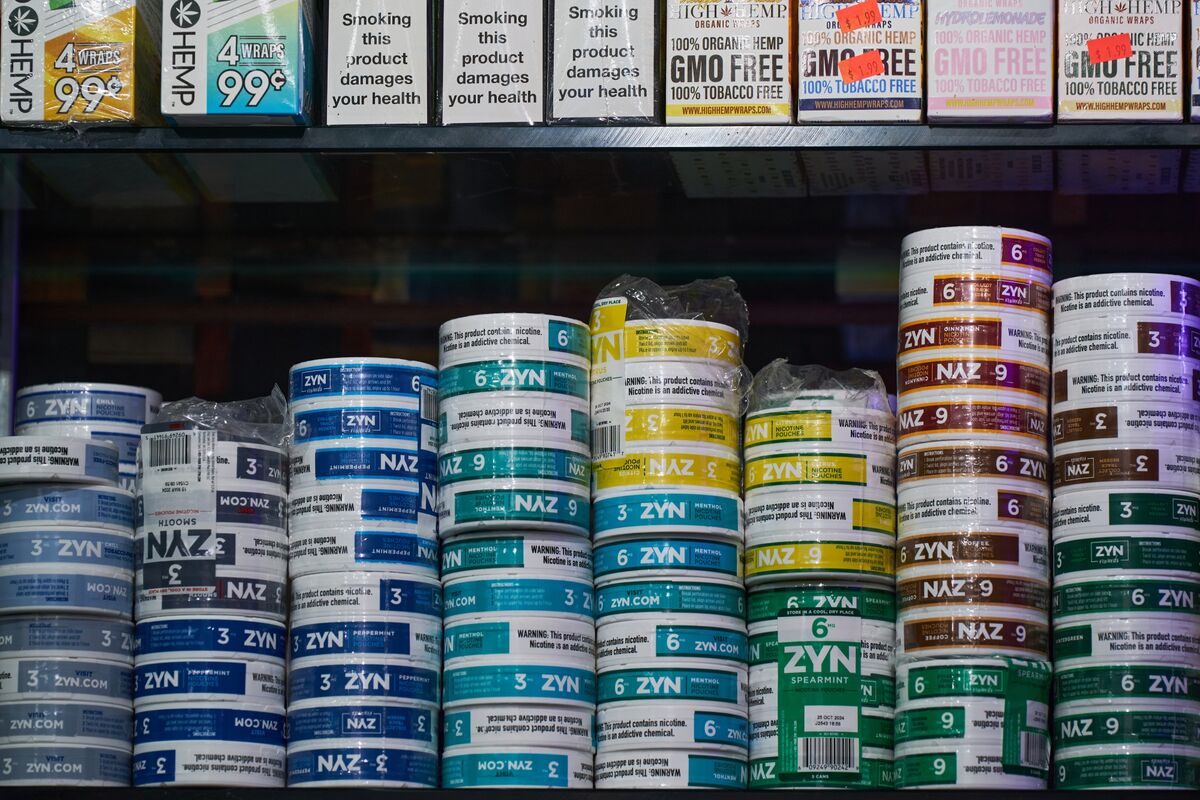
Philip Morris International reported first-quarter adjusted diluted EPS of $1.96, ahead of analyst estimates, as profit rose on stronger sales of smoke-free products including heated tobacco and nicotine pouches. The result highlights improving mix and momentum in the company's reduced-risk product portfolio versus traditional cigarettes. The update is supportive for the stock, though the news is primarily an earnings beat rather than a major strategic surprise.
PM is quietly transitioning from a legacy nicotine multiple to a blended consumables/health-adjacent platform, and the market likely still underestimates how much of the earnings bridge is now coming from categories with better pricing power and lower excise sensitivity. The key second-order effect is mix: as smoke-free penetration rises, the company should see less earnings volatility from combustible volume declines and a cleaner path to margin expansion, which can support a higher multiple even if headline unit growth stays modest.
Competitive dynamics favor scale and route-to-market depth. Smaller regional tobacco names and private-label nicotine pouch players face a tougher bar because distribution, regulatory compliance, and brand trust matter more as the category matures; PM can use its global footprint to lock shelf space and retailer economics before the segment becomes more fragmented. The supply-chain implication is that capacity and conversion spend will increasingly be directed toward smoke-free manufacturing, creating a short-term capex drag but a medium-term moat if it deters smaller entrants.
The main risk is not demand softening; it is regulatory asymmetry. If nicotine pouches or heated tobacco face stricter labeling, flavor, or marketing limits, the rerating thesis can pause quickly, but that is more of a 6-18 month overhang than a near-term earnings issue. Near term, the catalyst path remains straightforward: continued EPS beats can force estimate revisions and bring in quality/growth buyers who have historically ignored tobacco until the beat cadence becomes too persistent to fade.
Consensus may be too focused on tobacco as a declining-value trap and not enough on the fact that PM is increasingly monetizing nicotine occasions rather than cigarette packs. That makes this less of a pure volume story and more of a mix-and-price story, which tends to survive moderate unit erosion. The market is also likely underpricing optionality from smoke-free category leadership because it looks incremental today but can become the dominant earnings driver over a multi-year horizon.
AI-powered research, real-time alerts, and portfolio analytics for institutional investors.
Request TrialOverall Sentiment
mildly positive
Sentiment Score
0.45
Ticker Sentiment
