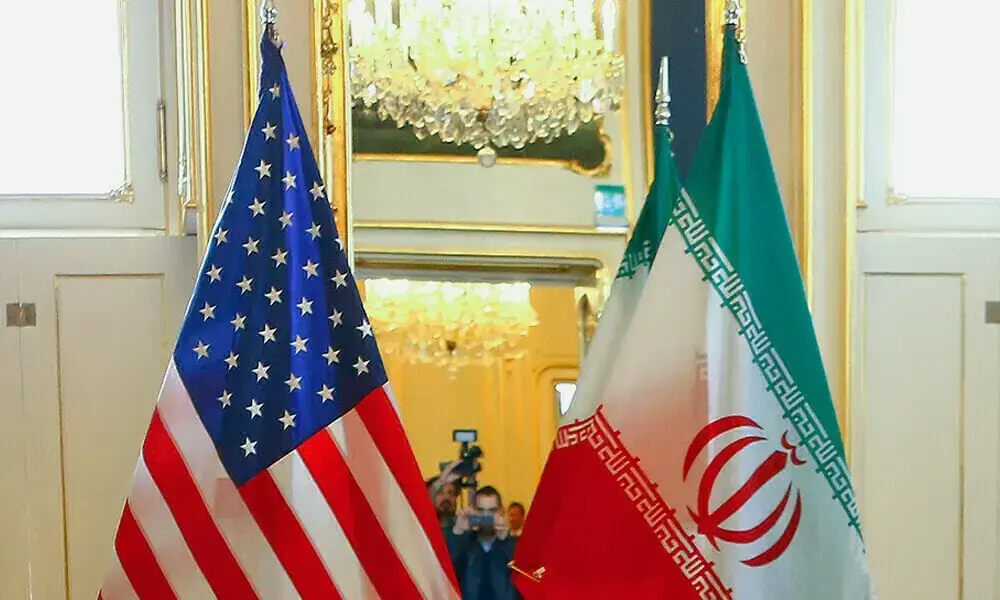
The article highlights escalating US-Iran tensions, including a continuing US naval blockade of the Strait of Hormuz, a critical chokepoint for global oil flows. Iran is resisting pressure and tying any meaningful talks to removal of the blockade, raising the risk of energy supply disruptions and broader regional instability. The discussion points to possible shortages of oil, medicines, and food in Iran, with market implications centered on crude prices, shipping risk, and emerging-market stress.
The market is likely underpricing the asymmetry between a symbolic naval squeeze and a true disruption of Hormuz flows. Even a partial impairment of transit would not just lift crude; it would reprice Asian refinery margins, global freight insurance, and regional LNG/chemical logistics, with the second-order hit falling hardest on import-dependent EMs before Western consumers feel it in headline CPI. The fastest beneficiaries are not just upstream energy producers, but also tanker owners, defense suppliers, and U.S. midstream names with domestically insulated cash flows.
The key tactical issue is that the risk premium can expand faster than physical supply actually tightens. That means crude volatility, not just direction, is the tradable edge: prompt-month spreads can gap on headlines while longer-dated contracts lag if traders conclude the standoff is a bargaining tactic rather than a durable blockade. If the situation persists into weeks, expect forced de-risking in EM credit and FX first, then a slower repricing in industrials and airlines as fuel hedges roll off.
The contrarian angle is that broad “risk-off” positioning may already be crowded, but the distribution of outcomes is still skewed. A negotiated de-escalation would likely crush the geopolitical premium quickly, yet the more durable consequence may be a lasting risk premium embedded in Middle East energy transit and shipping rates even after headlines fade. That argues for expressing the view through relative-value structures rather than naked commodity direction.
The overlooked winner is defense and maritime security procurement: even a short-lived crisis tends to lengthen budget cycles and accelerate allied naval spending for years, not months. Meanwhile, import-intensive EMs with weak reserves face a financing overhang if energy prices stay elevated, creating a latent default/FX channel that can outlast the initial oil spike. The market is likely focusing too much on Brent and too little on the credit contagion from higher external funding costs.
AI-powered research, real-time alerts, and portfolio analytics for institutional investors.
Request TrialOverall Sentiment
strongly negative
Sentiment Score
-0.55
