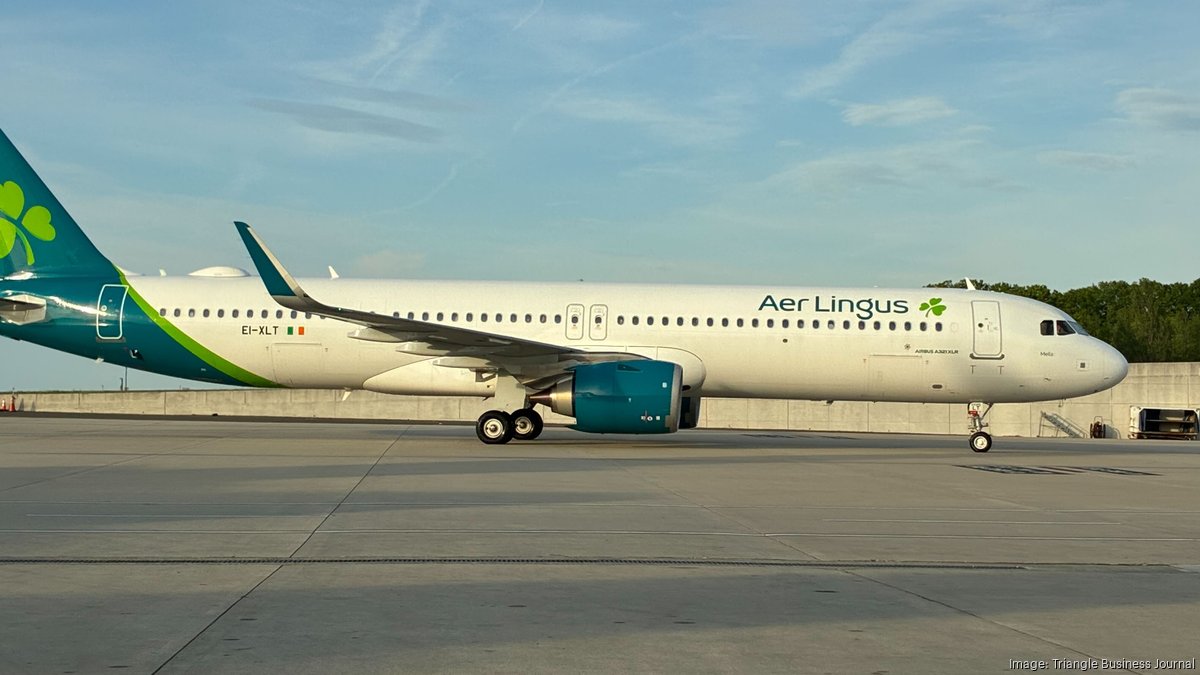
RDU has added a new flight to Europe, but further transatlantic expansion may be delayed for years because of airport capacity constraints. The article suggests a structural bottleneck rather than a demand issue, limiting near-term route growth. Market impact is likely modest and localized to airport and airline planning.
The bottleneck here is not demand; it is slot and infrastructure scarcity, which makes the first-mover airline on transatlantic service disproportionately valuable while turning every incremental route into a quasi-franchise asset. That tends to benefit the incumbent carrier with the strongest local loyalty and corporate travel capture, while forcing rivals to compete through lower-fare connecting itineraries rather than nonstop convenience. The second-order effect is that regional economic growth around the airport can outpace aviation capacity, shifting incremental travel spend to alternative hubs and weakening the airport’s ability to monetize local demand. The constraint also creates a longer-duration setup for ground-side beneficiaries: parking, off-airport hotels, rental car demand, and highway/rail access all pick up spillover volume as travelers substitute to surrounding infrastructure. In contrast, the airport authority and any airline dependent on future growth assumptions face a years-long cap on upside, meaning capital allocation into the region may be underwritten by demand projections that cannot be immediately converted into additional movements. That can compress the valuation of anything tied to near-term enplanement growth if the market had been extrapolating a multi-year step-up. Catalyst-wise, the real watch item is whether the constraint proves temporary via operational changes, schedule optimization, or capital spending approvals; absent that, the story is a 12-36 month scarcity trade rather than a one-quarter headline. The downside tail risk is that passengers and corporate accounts gradually re-route through larger hubs, making the airport’s lost growth sticky and harder to recover even if capacity is later expanded. Consensus may be underestimating how quickly network airlines can redirect long-haul growth to alternative airports once a local hub becomes slot-constrained, which would make the current route announcement more of a headline win than a durable revenue inflection.
AI-powered research, real-time alerts, and portfolio analytics for institutional investors.
Request DemoOverall Sentiment
mildly negative
Sentiment Score
-0.15
