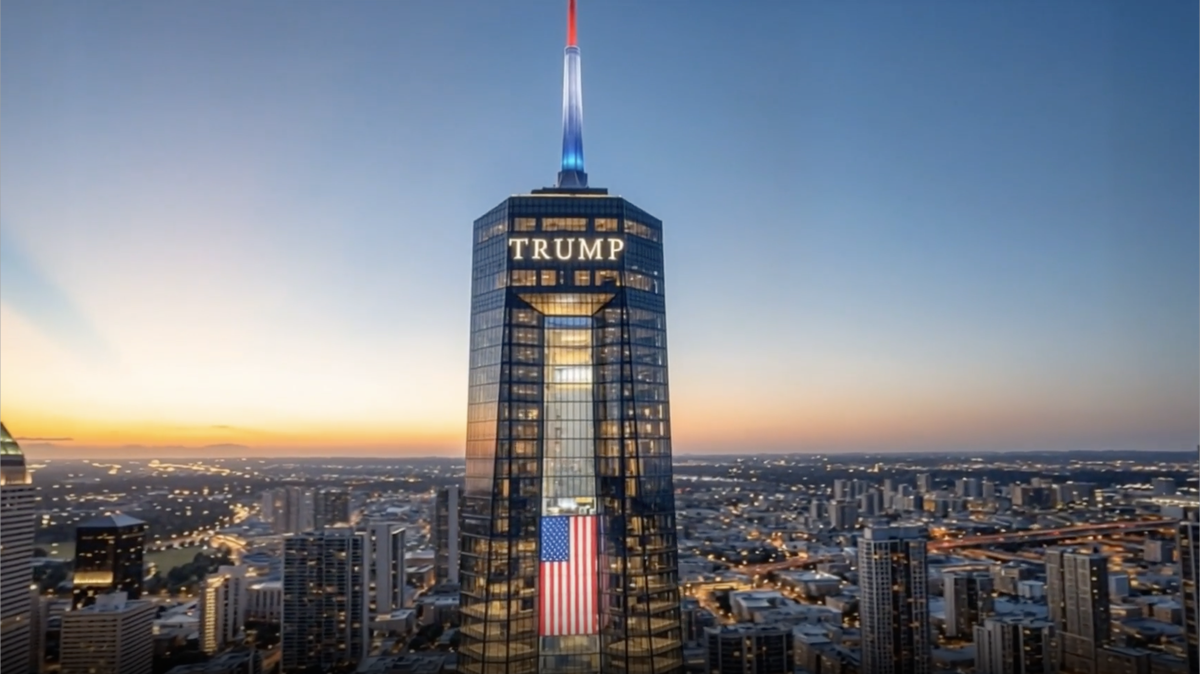
A new federal lawsuit alleges Florida’s transfer of downtown Miami land to Donald Trump’s foundation was an unconstitutional gift, seeking to void the transaction over a Domestic Emoluments Clause violation. The complaint says the parcel is worth far more than its $67 million valuation and argues Trump’s foundation has already benefited through property-tax exemption while planning a for-profit hotel and presidential library. The case adds legal risk to the Miami development, but the likely market impact is limited.
The market-relevant issue is not the land transfer itself; it is the precedent risk around state-level favoritism being litigated into a quasi-balance-sheet cost for Florida. Even if the case ultimately fails on standing or constitutional grounds, the process can still impose delay, redesign, and financing friction on a project whose economics likely depend on entitlement certainty and tax treatment. That creates a negative convexity setup: downside is immediate via legal overhang, while upside requires a clean judicial path that may take quarters or years.
The more important second-order effect is on counterparties who rely on the project’s municipal and state support. Any contractor, hotel operator, or adjacent real-estate holder tied to the development faces headline and permitting risk, but the larger spillover is to Florida’s broader pro-development credibility: if this becomes a durable emoluments challenge, future politically connected land deals in the state may need higher hurdle rates, smaller concession packages, or more explicit private-sector economics to clear scrutiny. That raises transaction costs for similarly structured projects, especially those seeking public land or tax exemptions.
The contrarian view is that this may be more optics than cash flow. Courts have been reluctant to create robust emoluments doctrine, and a standing dismissal would remove the most immediate legal cloud. In that scenario the project likely reverts to a slower-moving real-estate development story rather than an existential issue, and the real trade is in volatility around legal milestones, not in a directional macro view on Florida real estate.
Time horizon matters: over the next 30-90 days, headline risk and procedural rulings dominate; over 6-18 months, the main catalyst is whether the state can keep the project insulated from zoning, tax, or local opposition fights. Any injunction or discovery order that pierces the transaction could force renegotiation of financing and hotel economics, but a narrow dismissal would likely compress the risk premium quickly.
AI-powered research, real-time alerts, and portfolio analytics for institutional investors.
Request DemoOverall Sentiment
moderately negative
Sentiment Score
-0.35
