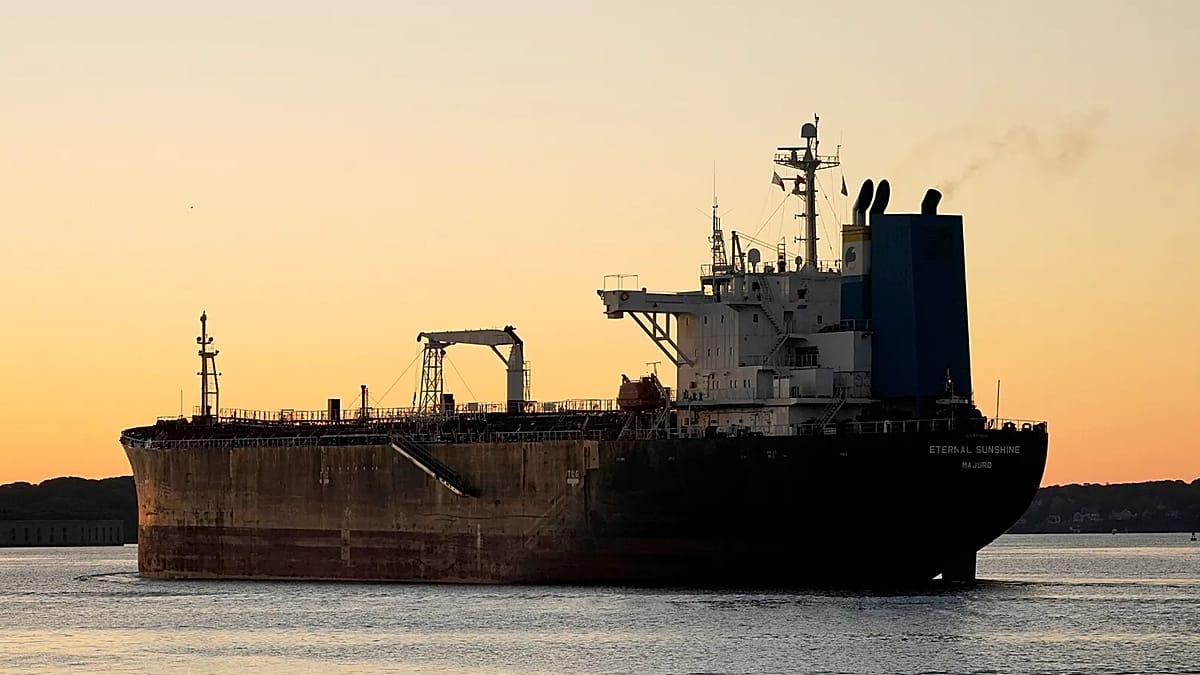
The administration is preparing a 30-day suspension/waiver of the Jones Act to allow foreign tankers to transport oil between US ports as crude tops $100/bbl. The move complements a release of 172mn barrels from the SPR as part of a coordinated 400mn-barrel international injection, though prices have risen further since the IEA announcement. The waiver could materially lower domestic coastal shipping costs by permitting cheaper foreign-flagged tonnage but faces political resistance from maritime unions and operational/legal complications.
A temporary Jones Act waiver is a tactical lever that changes the feasible set for coastal crude/product arbitrage but not the underlying supply surplus. Expect the first measurable impact on PADD1 refined product availability in 7–21 days as MR/LR product tankers reposition; that lag means current spot strength can persist for 1–3 weeks before East Coast cracks begin to compress. If even a modest share (10–20%) of marginal East Coast demand is sourced via Gulf/foreign tonnage, regional gasoline/ULSD cracks could fall by roughly $2–4/bbl versus PADD3 within a month, transferring value to refiners with access to coastwise logistics.
Winners are nuance-driven: refiners with flexible crude slates and marine offload/export capability gain optionality (price capture + export flexibility), while global product tanker owners pick up incremental voyage demand and higher utilization. Losers include US Jones Act-reliant operators and domestic shipyards, whose revenue pool is the marginal cost base for coastwise moves and who face immediate margin pressure; political/backlash execution risk raises the probability of a reversal event. There is also a sanctions/safety externality—insurers, charterers and compliance desks will pick up spreads on certain flags/routes, muting the waiver’s effect where risk premia remain elevated.
Key catalysts to watch are: formal waiver text and scope (product vs crude, geographic carve-outs), first foreign tanker ETA to PADD1 terminals, and union/legislative responses within 30–90 days. Reversal risks are concentrated—court injunction, Congressional action, or a rapid drop in crude below ~$85 that removes the political economics of waiver—which could re-tighten East Coast cracks within 2–8 weeks. The trade is therefore a near-term, event-driven repositioning bet with a concentrated policy tail that needs active monitoring.
AI-powered research, real-time alerts, and portfolio analytics for institutional investors.
Request DemoOverall Sentiment
neutral
Sentiment Score
0.00
Ticker Sentiment
