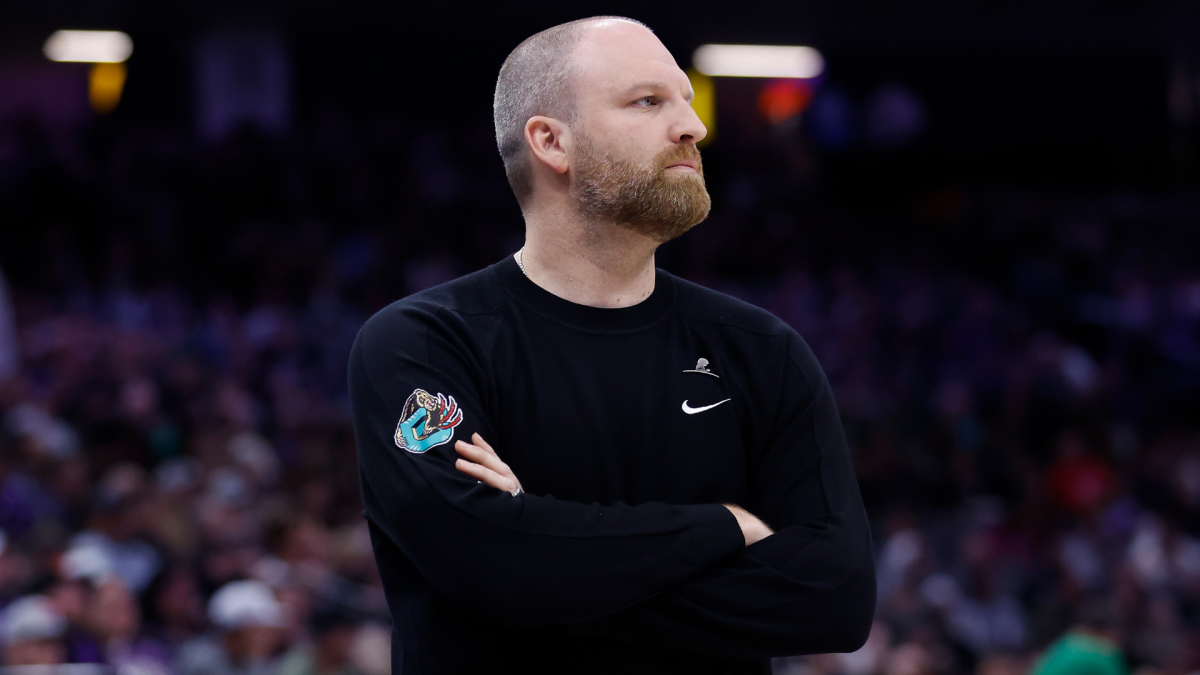
The Bucks are finalizing a deal to hire Taylor Jenkins as head coach, replacing Doc Rivers after three turbulent seasons. The move comes as Giannis Antetokounmpo's future remains uncertain, with Milwaukee potentially facing trade decisions ahead of the 2026 NBA Draft Lottery, where it holds the 10th-worst record. The franchise is also constrained by Damian Lillard's stretched contract, which absorbs $22.5 million annually over the next three years.
This is less about a coaching change than a governance signal that the franchise is now operating with two mutually exclusive endgames in mind: force a competitive retool around its star, or pre-position for a reset if that star asks out. That ambiguity typically compresses decision quality around roster moves because every asset is being valued both as a win-now piece and as future trade currency. In practice, that usually hurts the middle tier of the roster first: movable veterans become overvalued by the club internally until the moment they are forced into liquidation, which tends to steepen the discount when the market realizes the team is choosing a direction.
The key second-order effect is on the broader trade market for high-utility veterans and distressed star situations. If Milwaukee pivots to a teardown, the supply of credible playoff-caliber veterans rises into an offseason already short on impact wings and frontcourt players, which should pressure prices for comparable players elsewhere and improve the leverage of buyers with cap space or draft capital. If Milwaukee instead keeps the core intact, the market may misread that as commitment and bid up short-dated upside in the roster, but the hard constraint remains that the club has very little flexibility to add meaningful talent without external capital.
The time horizon is short: this is a draft-night and pre-free-agency decision tree, not a midseason story. The downside tail is that a prolonged indecision period destroys optionality — every week without a clear stance increases the odds of selling assets after the market has already discounted the obvious names. The upside tail is that a clean rebuild announcement could create a temporary valuation reset across the league’s secondary trade chips as contenders scramble for scarce playoff pieces.
Consensus is probably underappreciating how asymmetric the 2026 draft timing is. If the organization believes it may lose the star anyway, pulling forward the reset to maximize access to this draft class is worth materially more than waiting for a weaker future class. That makes the relevant question not whether the new coach fits a contender or a rebuild, but whether the hire is a prelude to a faster liquidation cycle.
AI-powered research, real-time alerts, and portfolio analytics for institutional investors.
Request TrialOverall Sentiment
neutral
Sentiment Score
-0.05
