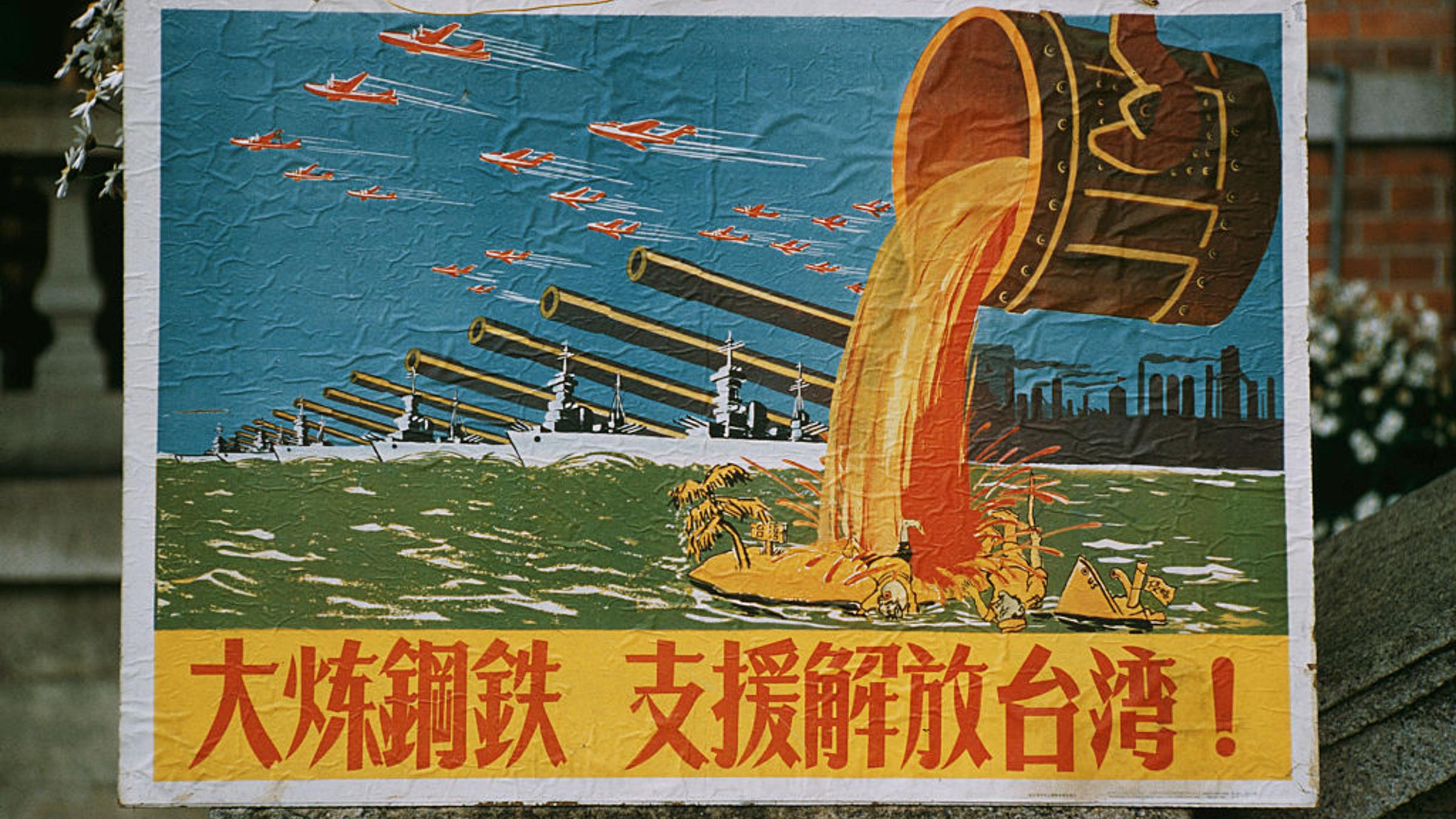
The article warns that China could use Taiwan’s air and sea access, combined with insurance-market disruption, to shut down global semiconductor flows without a formal invasion. It highlights that Taiwan produces over 90% of the world’s most advanced semiconductors and that a disruption could hit manufacturing, autos, telecom, and financial markets across advanced economies. The piece argues that current allied contingency planning is inadequate and that stockpiling, logistics coordination, and supply-chain resilience are urgently needed.
The market is underpricing the speed, not just the severity, of a Taiwan coercion scenario. The first-order shock would not be physical destruction but a sudden collapse in insurability and scheduling certainty, which is exactly the kind of event that forces private capital to self-ration before governments can respond. That creates a sharper near-term dislocation in logistics, electronics assembly, and air cargo than in headline equity indices, because supply chains reprice on optionality loss long before earnings estimates are cut.
TSM is the cleanest single-name expression, but the deeper second-order effect is on the entire non-China semiconductor stack: OSATs, equipment vendors, specialty chemicals, and industrial end-markets with just-in-time inventories. A prolonged Taiwan premium would likely widen the spread between “asset-light design” and “asset-heavy capacity,” while also forcing OEMs to pay up for legacy-node substitution and inventory hoarding. That means the most exposed losers are not only fab owners but also auto, networking, and telecom names that depend on continuous wafer flow and cannot quickly redesign around process-node shortages.
The contrarian mistake is to assume this is a slow-burn geopolitical theme. The catalyst is binary and could hit in days: a legal declaration, airspace restrictions, or a handful of “inspection” incidents that trigger carrier pullbacks and reinsurance exclusions. What may look like a manageable standoff could become a month-scale global manufacturing shock if air freight is constrained, because advanced chips have no meaningful stockpile analog and replacement capacity outside Taiwan is too thin to matter in the first quarter.
The second-order winner is strategic inventory and redundancy. Firms with multi-region packaging, older-node fallback, and longer component buffers should outperform on relative basis even if the broad tape sells off. More broadly, any policy response that reduces the probability of a credible blockade-by-uncertainty outcome would be a major reversal signal; absent that, the path of least resistance is higher geopolitical risk premia across industrials, transport, and semis.
AI-powered research, real-time alerts, and portfolio analytics for institutional investors.
Request DemoOverall Sentiment
strongly negative
Sentiment Score
-0.75
Ticker Sentiment
