The European Union is intensifying efforts to approve a groundbreaking €140 billion reparations loan for Ukraine, financed by frozen Russian assets, which the European Commission and many finance ministers view as the most feasible option to bridge Ukraine's funding gap without burdening member states. However, Belgium, hosting Euroclear where significant Russian assets are held, is resisting due to concerns over potential Russian retaliation and demands for comprehensive legal certainty and full risk mutualization among all EU members. This impasse threatens the timely delivery of critical aid to Ukraine, potentially necessitating alternative, more fiscally costly solutions if a resolution is not reached by the December summit.
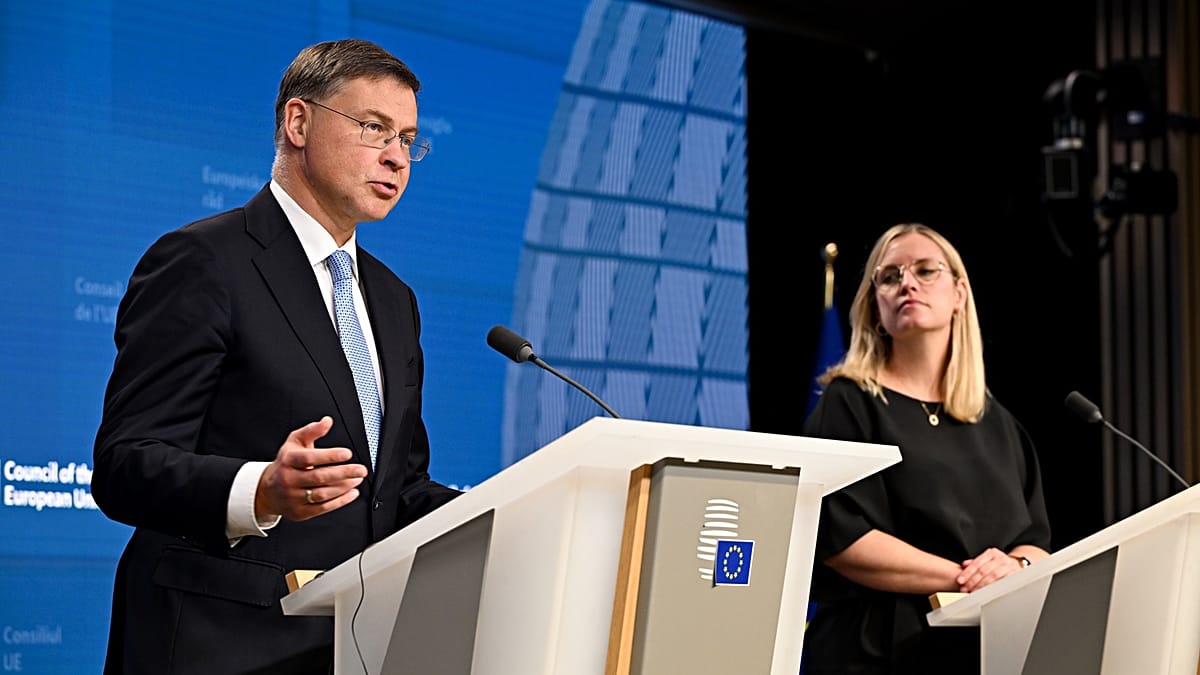
The European Union is actively pursuing a groundbreaking €140 billion reparations loan for Ukraine, leveraging frozen Russian assets, a proposal widely supported by the European Commission and several finance ministers. This mechanism is deemed the most feasible option to bridge Ukraine's funding gap without imposing additional fiscal burdens on member states, as highlighted by Commissioner Valdis Dombrovskis, and is considered the "most effective way" to support Ukraine.
However, Belgium, as the host of Euroclear where significant Russian assets are immobilized, remains a key holdout, citing fears of Kremlin retaliation and demanding "maximum" legal certainty. Belgian Prime Minister Bart De Wever seeks binding guarantees for "full mutualisation" of risks and total transparency regarding assets across all jurisdictions, leading to stalled technical talks with the European Commission.
The impasse introduces significant uncertainty, with Belgian sources noting "extremely high" risks and potential eurozone impact, while Commissioner Dombrovskis acknowledges risks but stresses that "risks of inaction... are even greater." If a resolution isn't reached by the December summit, the EU may resort to alternative, more fiscally costly options, or interim solutions to prevent Ukraine's default, as Kyiv requires fresh aid by Q2 2026. This situation underscores a mixed sentiment and moderate market impact due to geopolitical and fiscal implications.
AI-powered research, real-time alerts, and portfolio analytics for institutional investors.
Request DemoOverall Sentiment
mixed
Sentiment Score
0.05
