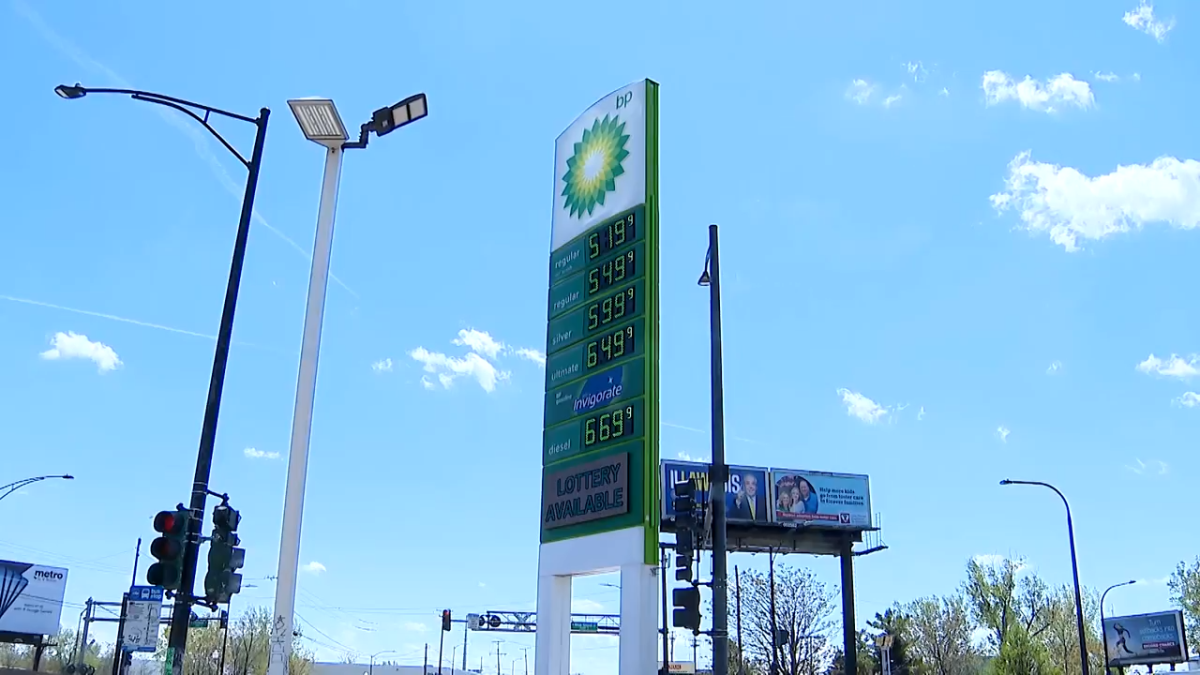
Illinois diesel prices hit $6 per gallon for the first time, while Indiana also reached $6 and sits just a penny below its 2022 record. The spike is raising operating costs for farmers and truck drivers, with one farmer estimating about $200 more per day to run a sprayer and roughly $400,000 in added annual costs across 4,000 acres. The article links the surge to war-related price pressures, underscoring broader fuel and input-cost inflation across the Midwest.
This is less a broad inflation story than a regional input-cost shock concentrated in the Midwest freight/ag complex. The near-term winners are refiners and fuel distributors with exposed diesel cracks, but the more interesting second-order effect is margin compression for the lower end of the logistics chain: owner-operators, regional truckers, and farmers without hedges will absorb the first hit, which can cascade into delayed shipments, higher spot rates, and eventually lower discretionary hauling volumes.
The timing matters. Diesel pain usually shows up in reported margins with a 1-2 quarter lag because carriers try to pass through fuel via surcharges before cutting capacity; that delay creates a temporary setup where freight rates stay sticky even as demand softens. If this persists through planting and summer shipping, expect pressure on agricultural equipment dealers, rural banks, and seed/fertilizer credit exposures from tighter working capital and higher delinquency risk.
The market is likely underestimating the political elasticity on supply. A sustained diesel spike tends to provoke quicker policy response than gasoline because it hits food and logistics directly; that raises the odds of temporary refinery export restrictions, SPR-related rhetoric, or diplomatic pressure to widen crude supply in the next 30-90 days. Conversely, if crack spreads normalize and headline diesel eases, the unwind could be sharp because some of the price move is a logistics bottleneck, not pure crude scarcity.
The contrarian angle is that the shock may be more bearish for cyclicals than bullish for energy. Higher fuel can ultimately destroy freight miles and farm throughput, especially if diesel stays near current levels for months, which would reduce volume for carriers and equipment replacement demand. So the cleanest expression is not simply long energy, but long the parts of the value chain with pricing power and short the capital-intensive users that cannot pass through costs quickly.
AI-powered research, real-time alerts, and portfolio analytics for institutional investors.
Request DemoOverall Sentiment
moderately negative
Sentiment Score
-0.45
