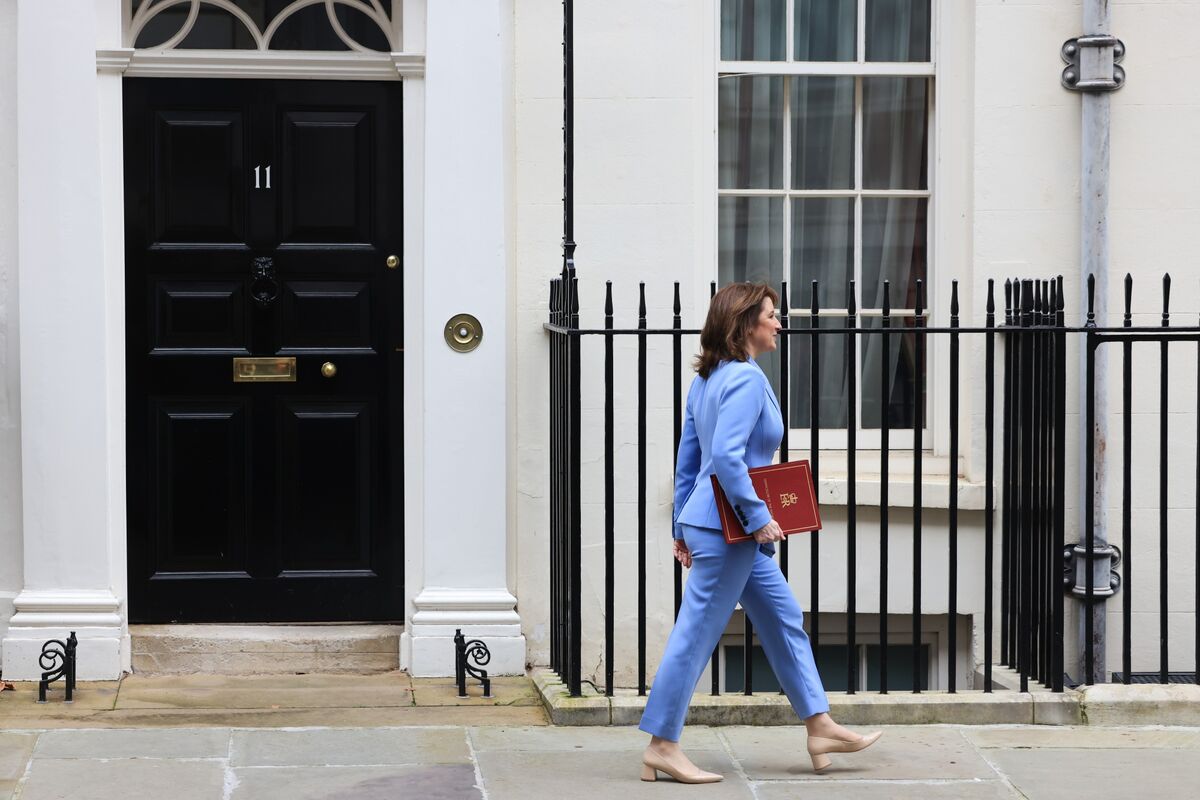
About £3 billion (~$4 billion) of Chancellor Rachel Reeves' fiscal buffer has been erased by a post-Feb. 27 surge in UK gilt yields tied to the Iran war, equal to over 10% of the £23.6 billion headroom estimated by the fiscal watchdog. Bloomberg Economics attributes the loss to higher government debt servicing costs from the gilts selloff, tightening near-term fiscal headroom.
Higher UK risk-free rates transmit through three linked channels rarely priced in by markets: (1) immediate funding cost for the sovereign and the marginal cost of new issuance, which forces the Treasury into either larger issuance or fiscal retrenchment over the next 6-18 months; (2) systemic liquidity pressure via pension LDI margining that can create mechanical gilt selling into thin markets, amplifying moves beyond fundamentals; and (3) currency pass-through where a weaker sterling raises import-price inflation, boxing the central bank between higher rates and growth.
Banks, insurers and fixed-income asset managers will see differentiated impacts depending on balance-sheet structure and duration mismatch. Retail-funded lenders with large deposit franchises and lower wholesale funding are natural beneficiaries of a steeper front-end yield curve within 3-12 months, while annuity writers and long-duration liability holders face mark-to-market pain that forces hedging flows and potential capital raises.
Key catalysts and tail risks are clustered in short windows: geopolitical de-escalation or a coordinated policy statement from major central banks can unwind risk premia in days; conversely, a string of upward inflation surprises or LDI-driven forced sales can prolong stress for months and trigger rating-agency scrutiny over sovereign financing metrics. Watch the margining calendar and auction schedule—concentrated supply into illiquid sessions is the highest-probability amplifier for further dislocations.
The consensus overlooks convexity of pension/LDI flows and the intentionality of Treasury issuance timing: the Finance Ministry can smooth near-term cash needs but cannot eliminate structural interest-cost sensitivity. That creates an asymmetric trading opportunity to buy convex protection on long gilts and play FX and bank equities on a tactical horizon while staying hedged for a sudden policy pivot.
AI-powered research, real-time alerts, and portfolio analytics for institutional investors.
Request DemoOverall Sentiment
mildly negative
Sentiment Score
-0.30
