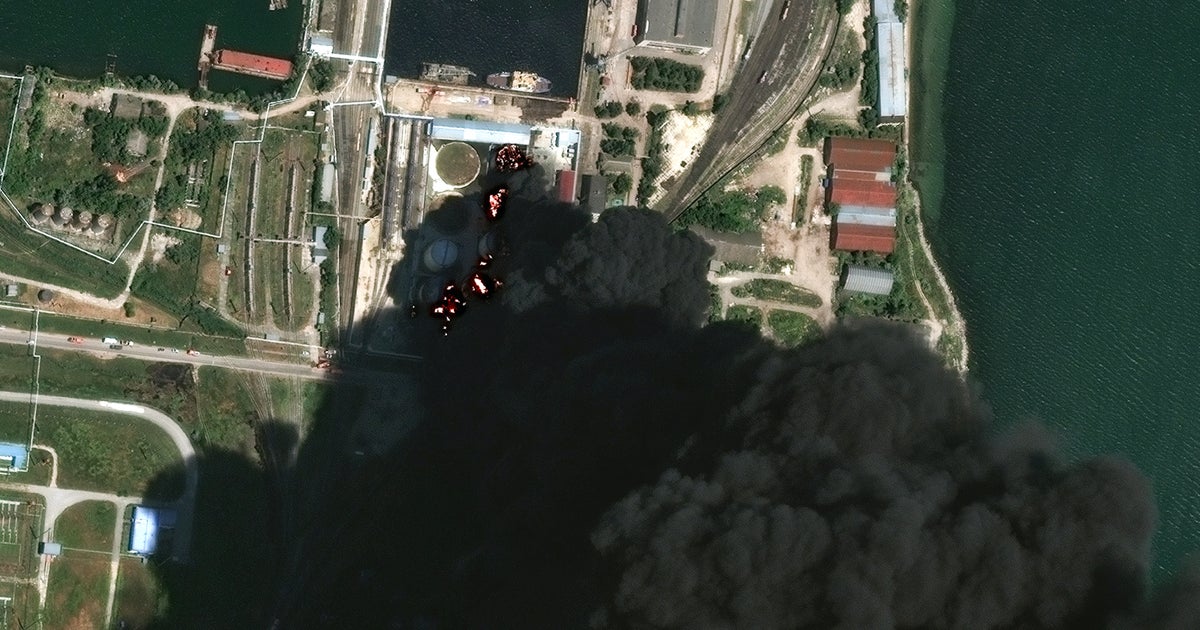
Ukraine launched one of its heaviest drone attacks on Russia since the war began, with Russia saying 660 drones were intercepted across 12 regions plus occupied Crimea. Kyiv said it struck two military vessels and air defense systems in Crimea, while reports also suggested a strike on Russia's Azot chemical plant. The escalation raises geopolitical and infrastructure risk, with potential spillovers to energy, industrial output, and regional security.
The key market implication is not the headline drone count; it is the accelerating shift from territory contest to attrition of rear-area logistics. That raises the probability of intermittent supply shocks in Russian fuel, fertilizer, and defense-industrial inputs, which tends to show up first in regional basis markets and shipping insurance before it becomes visible in broad global benchmarks. Over the next 2-8 weeks, the higher-probability effect is tighter volatility in European energy and select ag inputs rather than a sustained directional commodity spike.
The second-order winner is any Western supplier that can substitute for disrupted Russian throughput, especially LNG-linked gas, ammonia/nitrogen alternatives, and non-Russian logistics capacity. The loser set is broader than Russia: Ukrainian escalation into industrial nodes forces Moscow to spend more on air defense and repair cycles, which crowds out offensive capacity and increases the chance of policy responses that further distort exports. That creates a slow bleed dynamic where damage is cumulative even if each strike is tactically limited.
The contrarian point is that markets often overestimate the immediacy of physical supply loss and underestimate how quickly inventories, rerouting, and state controls can blunt the first impact. The more durable trade is not a one-day spike in crude or fertilizer, but a persistent risk premium in assets exposed to Black Sea transit, Russian downstream reliability, and European gas sensitivity. A reversal would likely require a ceasefire signal, a material improvement in Russian air defenses, or a credible diplomatic off-ramp that lowers expected strike frequency.
From a positioning standpoint, this is a tactical volatility regime, not a clean directional macro call. The best expression is to own beneficiaries with optionality on disruption while fading names that depend on stable Eurasian logistics or cheap Russian feedstock. Expect the strongest price reaction in local benchmarks and defense-adjacent equities before global commodity curves fully reflect the stress.
AI-powered research, real-time alerts, and portfolio analytics for institutional investors.
Request DemoOverall Sentiment
strongly negative
Sentiment Score
-0.60
