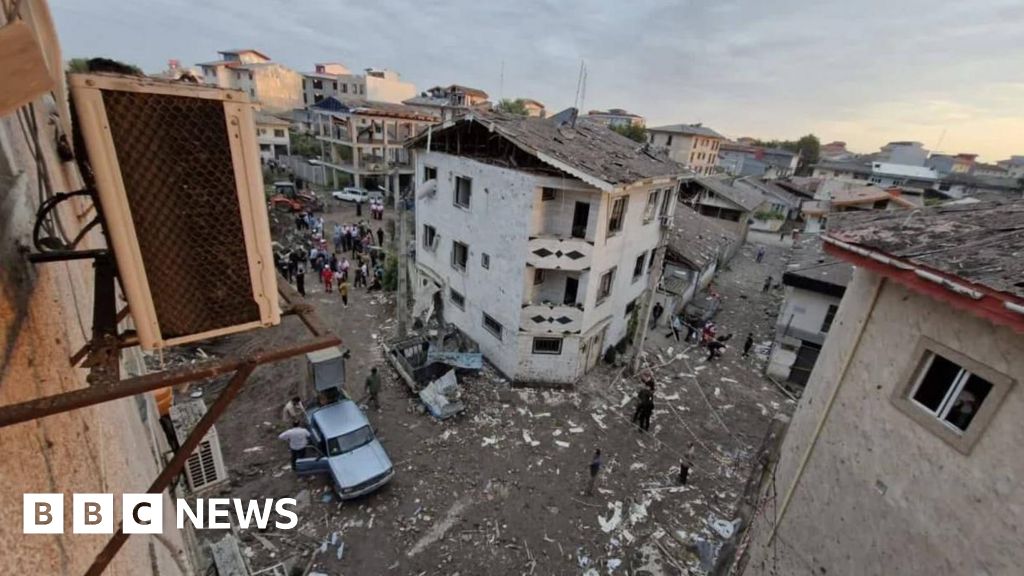
A senior Iranian nuclear scientist, Mohammad Reza Seddiqi Saber, was killed in an Israeli strike in northern Iran, just hours before a US-brokered ceasefire took effect, intensifying regional geopolitical risk. Israel confirmed eliminating a scientist involved in nuclear weapon development, with the US having previously sanctioned Saber for work on nuclear explosive devices. This incident, amidst an 11-day conflict and immediate ceasefire violations, highlights the persistent instability and potential for further escalation concerning Iran's nuclear program.
The targeted assassination of a senior Iranian nuclear scientist, Mohammad Reza Seddiqi Saber, by an Israeli strike represents a significant escalation in regional hostilities, occurring just hours before a fragile, US-brokered ceasefire was to take effect. The strategic importance of this event is underscored by prior US sanctions against Saber for his alleged role in developing nuclear explosive devices, directly linking the strike to the core of the conflict: Iran's nuclear ambitions. The 11-day Israeli air campaign has resulted in substantial casualties, with Iran reporting over 610 fatalities, and has included strikes on sensitive, non-military targets like Tehran's Evin prison, drawing condemnation from the UN. Despite the formal agreement, the ceasefire's viability is highly questionable, with immediate reports of violations and widespread public skepticism. This combination of a high-value targeted killing and a tenuous truce indicates that the conflict has moved beyond a shadow war into direct military confrontation, elevating geopolitical risk and signaling a high probability of further instability.
AI-powered research, real-time alerts, and portfolio analytics for institutional investors.
Overall Sentiment
extremely negative
Sentiment Score
-0.80
