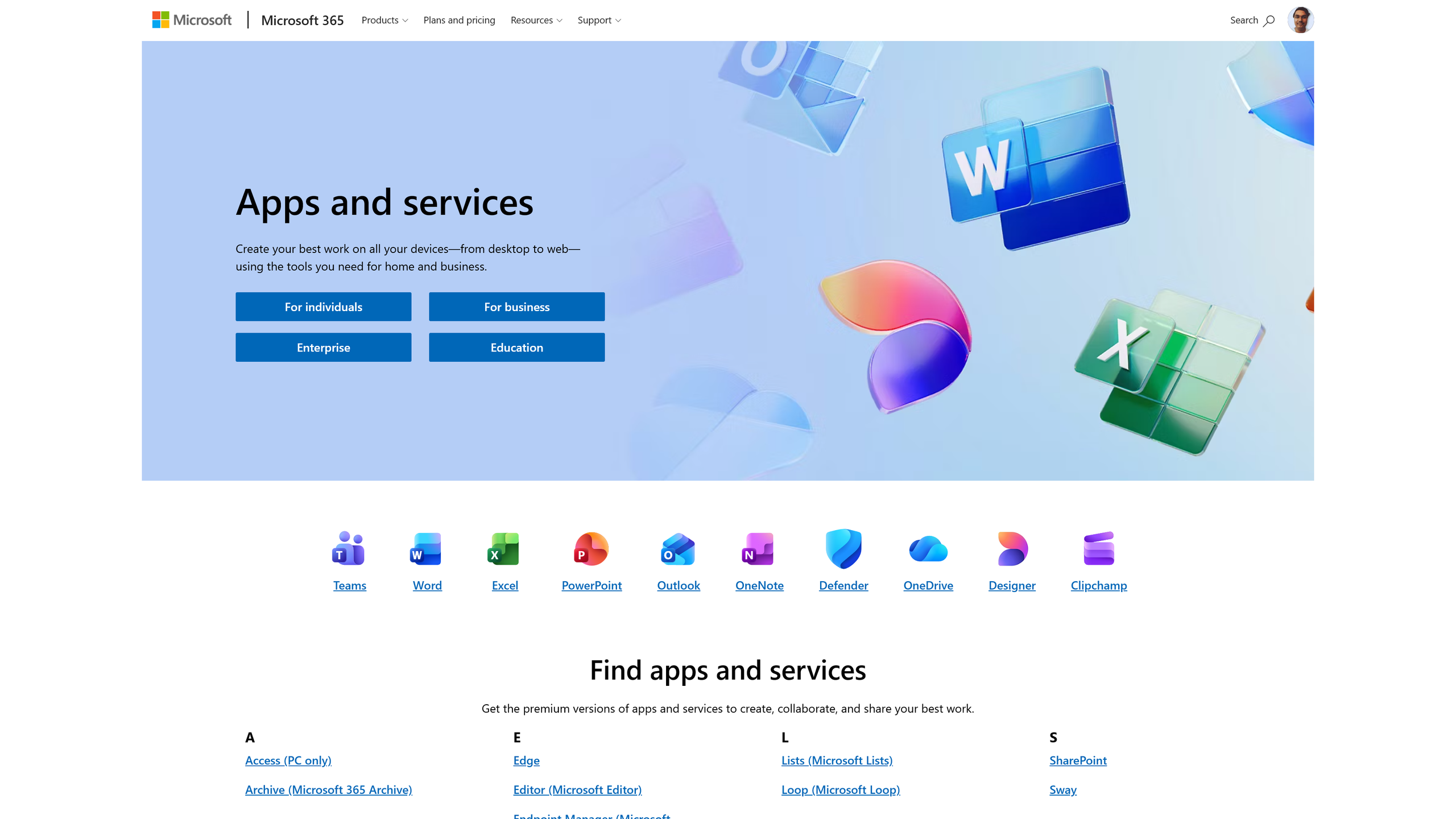
Microsoft Build 2026 will center on AI agents, with sessions expected on GitHub Copilot, Azure AI Foundry, Windows AI Runtime, and Responsible AI, while Microsoft highlights 50 free tools across its ecosystem to help developers prepare. The article is broadly positive on Microsoft's developer stack and free-tier offerings, but it is largely a product/preview roundup rather than a market-moving announcement. Key event timing is June 2-3 in San Francisco, with $1,099 in-person tickets and roughly 2,500 attendees.
The strategic read-through is that Microsoft is turning Build from a product launch event into a distribution flywheel for its AI stack. The free-tool bundling is not charity; it lowers adoption friction across the exact surfaces where enterprise developers actually commit to tooling habits, which should improve conversion from experimentation to paid consumption over the next 1-2 quarters. That matters most for MSFT because agentic workflows create multiple monetization layers: model usage, Azure compute, storage/search, and developer seat expansion.
The competitive implication is that Microsoft is trying to win on end-to-end workflow integration rather than raw model quality, which is the right axis against AMZN and GOOGL. AWS still has breadth in infrastructure, but Microsoft has a narrower path to attach AI to existing identity, productivity, and endpoint workflows, giving it a lower customer acquisition hurdle and better enterprise retention economics. For Google, the risk is less direct model displacement than being boxed out of the developer control plane if Copilot/GitHub/VS Code becomes the default place where agentic coding happens.
The underappreciated second-order effect is that Microsoft is quietly extending Windows into an inference and deployment platform, not just an OS. If local NPU inference and WSL passthrough mature, that could shift some AI spend away from cloud inference toward endpoint hardware refreshes, benefiting OEMs and potentially compressing cloud token growth assumptions over a multi-year horizon. Near term, the biggest catalyst is Build guidance on multi-model routing and agent tooling; the biggest risk is that enterprise adoption slows if governance and compliance controls lag the speed of the demos, especially in regulated verticals.
Contrarianly, the market may be underpricing how much of this is already embedded in expectations. The upside surprise would not be another flashy agent announcement; it would be evidence that Microsoft can convert free usage into durable workload migration without materially raising support or security costs. If Build 2026 shows clearer production paths and stronger Responsible AI tooling, MSFT can outperform on multiple expansion rather than just revenue growth.
AI-powered research, real-time alerts, and portfolio analytics for institutional investors.
Request DemoOverall Sentiment
mildly positive
Sentiment Score
0.15
Ticker Sentiment
