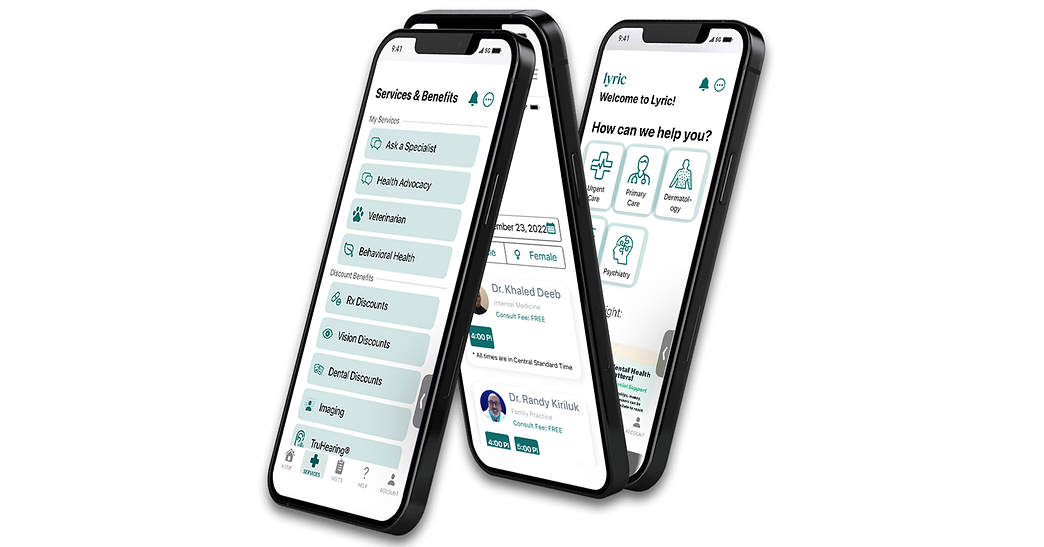
Lyric Health launched “Asynchronous Care,” adding secure digital messaging consultations to its virtual care platform alongside video and telephone visits. The capability aims to reduce primary care appointment delays (patients often wait >1 month) and improve clinical decision-making by combining digital intake with longitudinal data across the Lyric ecosystem (EHRs, claims, labs, pharmacy history, wearable data when available). No financial guidance or quantified revenue impact was disclosed, but the product expansion is positioned as improving access and care coordination for employers/TPAs/health plans.
This is a modest product-extension story, not an immediate demand shock. The economic value comes from lowering clinician time per resolved case and improving first-pass resolution in low-acuity visits; the catch is that those savings only matter if reimbursement, state rules, and payer workflows actually support asynchronous billing and if the channel does not simply cannibalize higher-margin synchronous encounters. Near term, I would expect almost no fundamental read-through for public equities unless a larger telehealth or payer platform discloses meaningful utilization uplift.
The more important second-order effect is competitive compression. Scale players with claims, pharmacy, and EHR connectivity can use async triage to keep members inside a closed loop and reduce leakage to retail clinics and urgent care, but that same feature becomes table stakes quickly. If adoption broadens, the battleground shifts from feature set to unit economics: cost per resolved episode, compliance overhead, and contract economics. That should favor better-capitalized platforms like TDOC over smaller telehealth operators such as AMWL if adoption becomes visible.
The contrarian risk is that easier access can raise utilization and prescribing without materially improving outcomes, which helps topline but can worsen medical cost trend for employers and plans. The thesis is falsified if payers do not expand reimbursement, if state-level telehealth constraints tighten, or if upcoming quarters show no improvement in utilization, retention, or gross margin. I would treat this as a 1-3 month watch item for contract wins and 6-18 month structural data on cost-to-serve, not a same-day catalyst.
AI-powered research, real-time alerts, and portfolio analytics for institutional investors.
Request DemoOverall Sentiment
mildly positive
Sentiment Score
0.15
Ticker Sentiment
