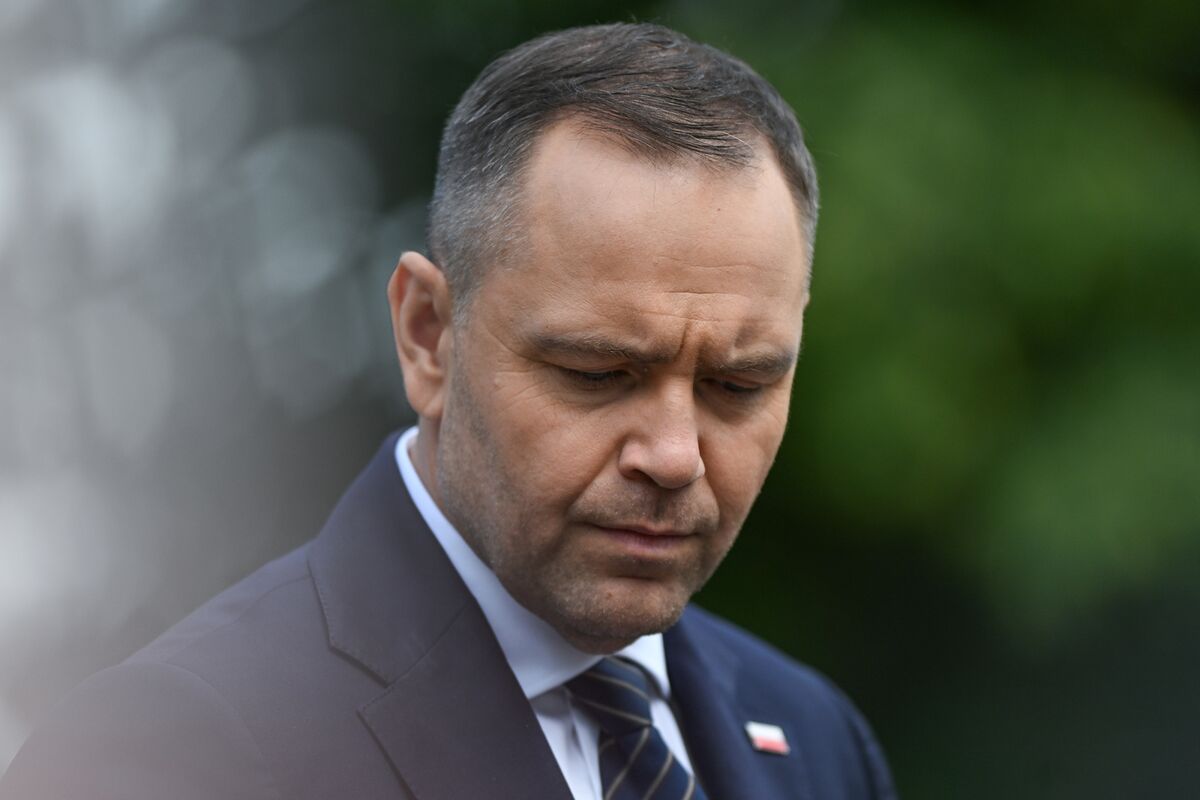
Polish President Karol Nawrocki canceled a planned Dec. 4 meeting with Hungarian Prime Minister Viktor Orbán after Orbán met with Russian President Vladimir Putin in the Kremlin. The talks in Moscow, centered on the fate of sanctioned Russian refineries, coincide with U.S. efforts to broker a peace accord between Russia and Ukraine and underscore growing diplomatic rifts within the Visegrad regional grouping. The development raises modest geopolitical and energy-policy uncertainty in the region and signals strained Poland–Hungary relations that could complicate coordinated sanctions enforcement.
Market structure: The immediate beneficiary is Hungary (and Hungarian assets/energy groups) as a potential conduit for sanctioned Russian refined products; Russian refiners and any counterparties willing to run sanction-evasion logistics gain optionality. Losers are EU sanction leverage, Polish political capital and any Polish refiners/retailers that lose regional market share and pricing power; expect localized fuel price dispersion (regional diesel/gasoil 2–5% cheaper if flows resume). FX and fixed income will price political risk: PLN/HUF volatility +/−1–3% intraday; 2–10y Polish sovereign spreads can widen 10–40bps on sustained diplomatic fallout.
Risk assessment: Tail risks include US/EU secondary sanctions (high-impact, low-probability) that could freeze counterparties or insurance lines, or conversely formal waivers that normalize flows — each would re-rate energy/refining names by ~15–30%. Time horizons: days — FX and CDS spikes; weeks–months — spreads and refinery margin reallocation; quarters — capital flows into regional energy infrastructure. Hidden dependencies: shipping insurance, SWIFT/financial plumbing and EU mutual defense/aid votes; loss of EU cohesion could trigger broader fiscal/aid recalibrations.
Trade implications: Tactical pair trades exploiting political tilt (long Hungary-exposed refiner vs short Poland refiner) and directional FX/sovereign trades are highest conviction over 1–6 months. Use options to cap downside on political spikes (3-month puts) and employ modest-sized positions (1–3% NAV) due to event tail risk. Monitor EU/US statements and ORLEN/MOL operational filings — key catalysts to add or trim positions.
Contrarian angle: Consensus treats this as symbolic; the mispricing is that market underestimates operational sanction workarounds (insurance/flagging changes) which, if executed, would compress regional margins and revalue MOL-type assets by >20%. Conversely, secondary sanctions remain the low-probability breaker — build trades that capture 10–25% upside but cap losses to ~10–12% per position.
AI-powered research, real-time alerts, and portfolio analytics for institutional investors.
Request DemoOverall Sentiment
mildly negative
Sentiment Score
-0.25
