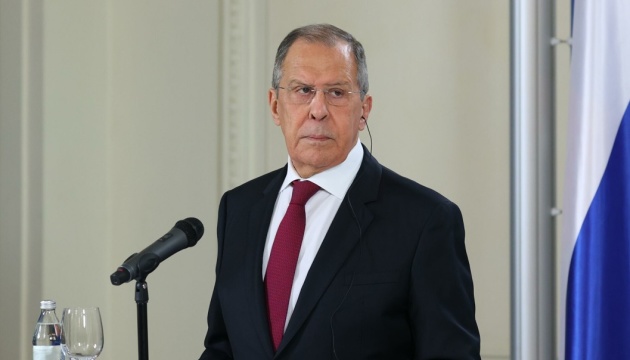
Russian Foreign Minister Lavrov stated Russia will not accept an immediate, unconditional ceasefire in Ukraine, dismissing it as a tactic similar to failed 2022 negotiations. Lavrov claims the West prevented Ukraine from signing a prior agreement with Russia and that Moscow is waiting for the "root causes of the conflict" to be addressed. This contrasts with recent statements from Donald Trump, who claimed that Russia and Ukraine would immediately begin ceasefire negotiations following a phone call with Putin, who expressed readiness to work with Ukraine on a potential peace agreement.
Russian Foreign Minister Lavrov's statements on May 21 underscore Russia's unwillingness to accept an immediate, unconditional ceasefire in Ukraine, dismissing such initiatives as a rehash of failed 2022 negotiation tactics. Lavrov indicated that Russia is awaiting the resolution of "root causes of the conflict" and is focused on "preparing concrete steps toward a sustainable long-term settlement," referencing alleged Western interference in a 2022 Istanbul agreement. This stance introduces significant doubt following a May 19 phone call between U.S. President Donald Trump and Russian President Vladimir Putin, after which Trump announced expectations of immediate ceasefire talks. Putin's post-call statement was more conditional, expressing readiness to work on a "memorandum regarding a potential future peace agreement" contingent on reaching "relevant agreements." The divergence between these diplomatic signals amplifies the "uncertain" market tone and reinforces the "moderately negative" sentiment, suggesting prolonged geopolitical instability and continued relevance of themes such as "Geopolitics & War" and "Sanctions & Export Controls," with a discernible market impact indicated by a score of 0.5.
AI-powered research, real-time alerts, and portfolio analytics for institutional investors.
Request DemoOverall Sentiment
moderately negative
Sentiment Score
-0.50
