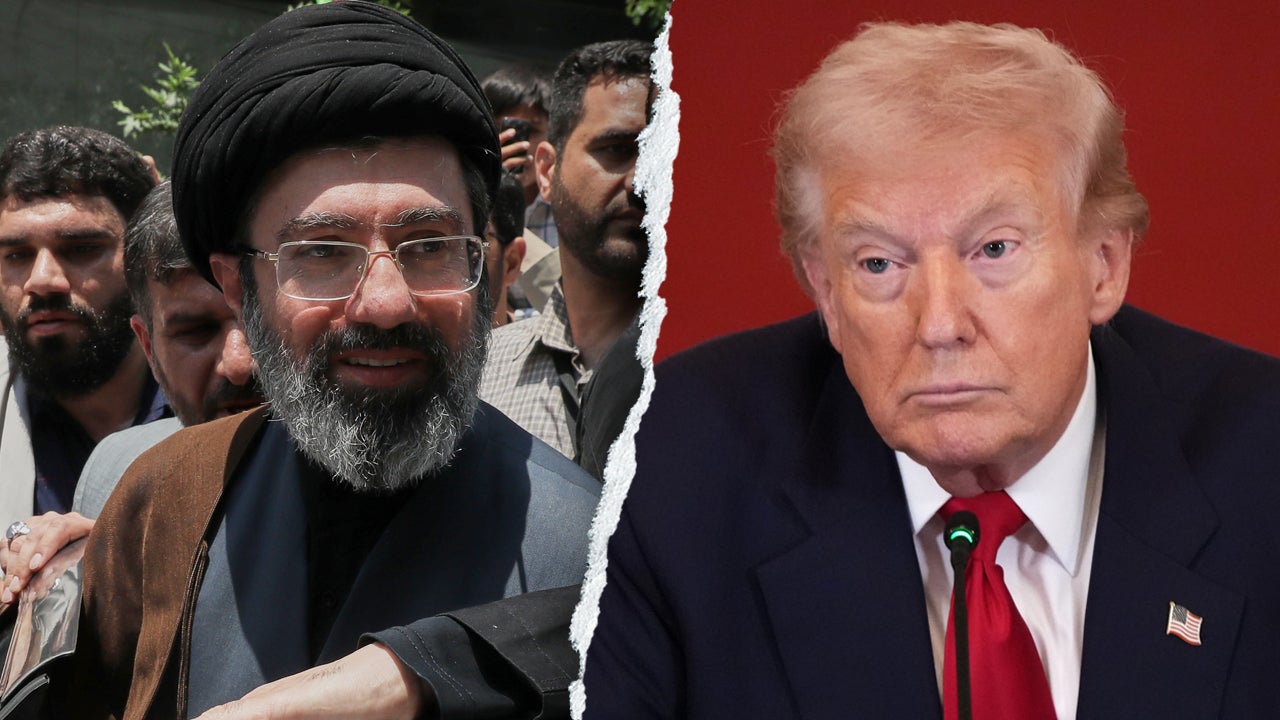
Operation Epic Fury and escalating U.S.-Iran conflict threaten Strait of Hormuz oil flows (normally ~20–21 million barrels/day); only four cargo ships transited since last Friday, raising shipping-route risk. CENTCOM reports >5,000 targets struck and ~50 Iranian ships damaged/destroyed in the first 10 days; the UAE detected 253 ballistic missiles (233 destroyed/intercepted). Panama Canal authorities expect a modest uptick in transits (currently ~1–2/day vs ~3 historically) as shipments reroute, and the Pentagon is weighing tanker escorts after President Trump's warning of strikes “20 times harder” if Hormuz is blocked — implications point to upside pressure on oil/LNG prices and elevated logistics disruption risk.
The most immediate market lever is maritime rerouting and insurance repricing. Diverting product and crude flows onto longer routes increases voyage days (fuel + charter costs), which mechanically lifts spot tanker/TCE rates and pushes time-charter indices higher within days; that shock transmits into downstream refinery margins and freight-inflated inventories over 4–12 weeks. Panama‐adjacent capacity is the marginal route cushion — modest increases in transits can absorb only a fraction of diverted tonnage, so expect persistent congestion and premium tolls rather than a quick equilibrium.
Energy exporters with flexible LNG/tanker logistics will capture outsized spread expansion versus fixed-infrastructure sellers. Contract indexation lags spot, so producers with short-cycle cargo optionality will monetize higher spot/LNG freight within one contract roll; integrated majors benefit slower via refinery and downstream margin capture over 1–3 quarters. Conversely, sectors with large fuel cost exposure — airlines, trucking, and container lin ers operating on thin margins — will see margin compression and potential volume churn if spot fuel remains elevated beyond a quarter.
On the defense and insurance sides, geopolitical risk repricing is already accelerating procurement and war-risk premium revenue. Defense contractors win both immediate order visibility and a multi-year backlog tail if policymakers lean into force posture; insurers and war-risk underwriters will see premium income rise sharply but also face elevated tail-loss risk if kinetic escalation broadens. The main reversal path is rapid, verifiable de-escalation via diplomatic corridor or reopening of primary shipping lanes — that would unwind freight, energy and insurance premia on a 2–8 week cadence.
AI-powered research, real-time alerts, and portfolio analytics for institutional investors.
Request DemoOverall Sentiment
strongly negative
Sentiment Score
-0.70
