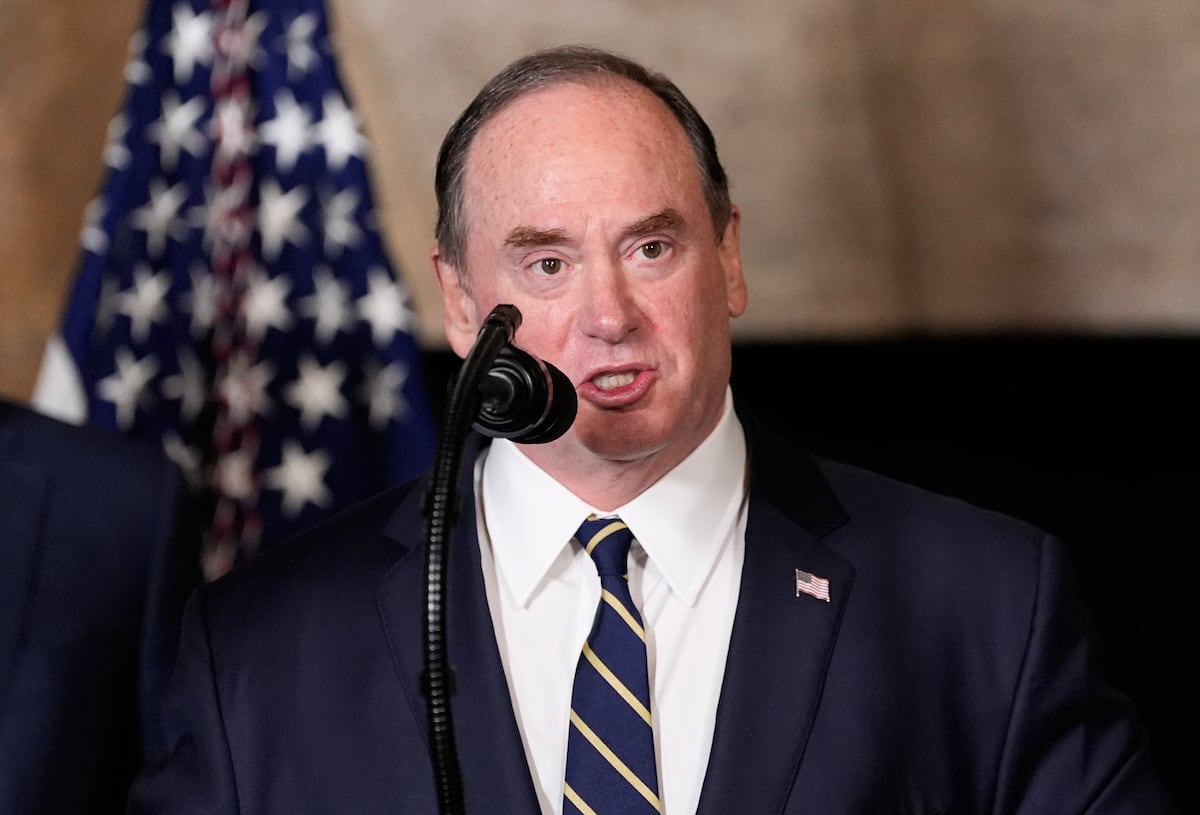
Documents released by the House Oversight Committee and reported by CNN list Navy Secretary John Phelan on a March 3, 2006 passenger manifest for Jeffrey Epstein’s private plane; a friend confirmed Phelan took the London–New York flight and said he was invited by the late Bear Stearns CEO Jimmy Cayne and had no further contact with Epstein. CNN and the reporting note there is no evidence Phelan knew of Epstein’s wrongdoing at the time; the disclosure follows a DOJ release of 3.5 million Epstein-related documents and may trigger political and oversight attention given Phelan’s Nov. 26, 2024 nomination by President Trump and subsequent swearing-in, but it has limited direct market implications.
Market-structure: This is primarily a governance / political reputational shock with concentrated effects on defense procurement optics, not a macro liquidity event. Expect micro-level winners: large diversified primes (LMT, NOC, RTX, GD) that can absorb short-term program friction; losers: niche Navy-focused suppliers and shipbuilders (HII, private suppliers) with >30% revenue tied to Navy awards, which could see 1–3% revenue risk if awards shift or are delayed 3–6 months.
Risk assessment: Tail risks include a forced resignation or protracted Congressional investigation that delays major shipbuilding or modernization awards (low prob. but high impact). Near-term (days-weeks) volatility will cluster around DOJ/House releases; short-term (1–3 months) could see contract timing shifts; long-term (1–2 years) base defense budgets are unlikely to collapse absent broader political change. Hidden dependencies: subcontractor cashflows and bond covenants at small suppliers could be masked until a 1–2 quarter lag.
Trade implications: Position for event-driven dispersion: expect 3–8% idiosyncratic moves in small caps tied to Navy awards around hearings. Use options to size asymmetric risk: buys of short-dated puts or put-spreads on HII and localized suppliers; selectively add long exposure to LMT/NOC on >3% dips given stable long-run cashflows and backlog.
Contrarian angle: Consensus will over-penalize headline-linked, single-program names; historically (e.g., past Pentagon leadership scandals) primes underreact and recover within 3–6 months once awards resume. If no resignation in 30–60 days, consider fading the sell-off in shipbuilding names; if resignation happens, expect a deeper 5–12% re-rating window.
AI-powered research, real-time alerts, and portfolio analytics for institutional investors.
Request DemoOverall Sentiment
neutral
Sentiment Score
0.00
