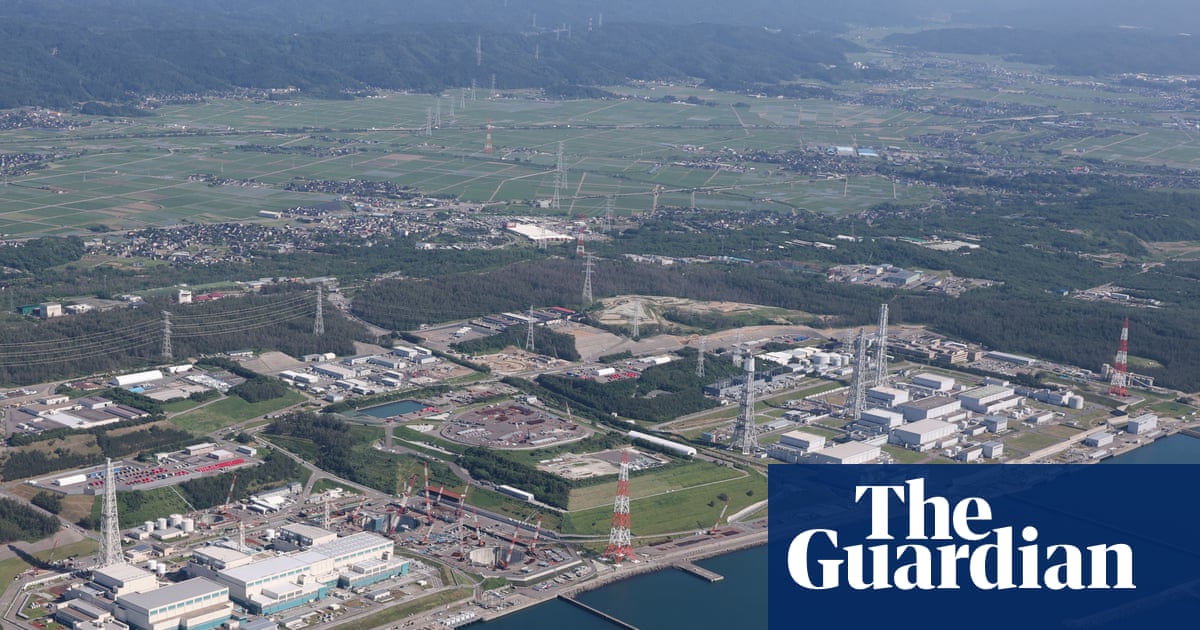
TEPCO plans to restart Reactor No. 6 at the Kashiwazaki-Kariwa complex (1.36 GW unit within an ~8.2 GW site), marking its first reactor revival since the 2011 Fukushima disaster, although the January 20, 2026 restart was briefly delayed by an alarm malfunction pending safety verification. The move underscores Japan's push to secure baseload, reduce fossil fuel imports and stabilise power costs amid ongoing public safety and seismic-risk concerns. Concurrently, Kenya has designated KenGen to develop a first commercial nuclear plant (initially ~2,000 MW), has shortlisted coastal and lakeside sites, aims to begin construction in 2027 and commission by 2034, highlighting long lead times, heavy upfront investment and the need for robust regulation and public engagement.
Market structure: Japan’s restart of Kashiwazaki-Kariwa (and the broader signaling that nuclear is back in advanced markets) directly benefits uranium producers, nuclear-capable EPCs and SMR developers while pressuring LNG and thermal coal demand in Asia over medium term. Expect reallocation of marginal baseload contracts; utilities with large nuclear fleets (9501.T) gain pricing power for baseload generation, while spot LNG demand could fall 3–7% from peak winter volumes in Japan if restarts scale, pressuring freight and spot LNG cargos.
Risk assessment: Tail risks include a high-impact regulatory reversal after an accident (probability low but value-destroying), project delays in emerging markets (Kenya plant slipping past 2034 by +2–5 years) and sovereign financing strain for large-capex projects. Near-term operational hiccups (days–weeks) can cause volatility in utility equities; medium-term (6–24 months) the key dependency is uranium supply lead times — current mine lead times mean price shocks persist if demand re-accelerates.
Trade implications: Direct plays favor the uranium complex and specialist manufacturers: ETFs (URA/URNM) and producers (CCJ, BWXT) with 6–24 month horizons; consider tactical long in 9501.T on restart confirmation. Rotate out of spot-LNG/charter-exposed names (shipping & merchant LNG) and reduce merchant thermal coal exposure; hedge FX by buying JPY on material nuclear restarts that lower Japan’s fuel import bill by >$5–10bn annually.
Contrarian angles: Consensus underestimates political/social risk — restarts can be reversed or slowed, producing sharper near-term drawdowns in utilities than uranium miners. Uranium market is likely underpriced for a supply squeeze: if U3O8 rises >25% within 12 months, mining equities historically rerate 40–80% in 12–24 months; conversely, early optimism could be overdone for companies lacking FCF visibility or political risk exposure.
AI-powered research, real-time alerts, and portfolio analytics for institutional investors.
Request DemoOverall Sentiment
mixed
Sentiment Score
0.05
