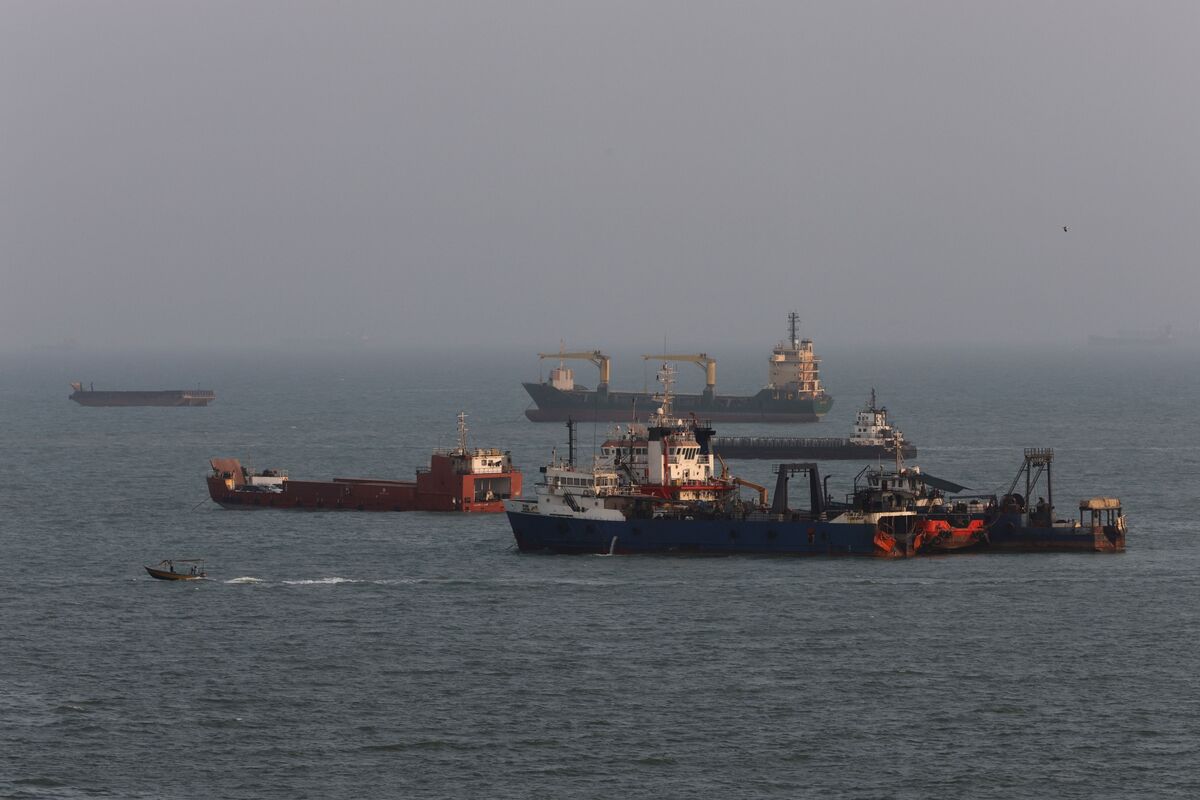
Global oil markets face a supply shortfall of 1.8 million barrels per day this quarter, more than double earlier projections, as the Iran conflict drags on and threatens flows through the Strait of Hormuz. Despite some easing in hostilities, there’s little sign of a breakthrough between Iran and the US, keeping the risk of further disruptions elevated. The headline implies upward pressure on oil prices and broader market risk via commodity tightness.
The near-term trade is not just higher crude; it is a widening dispersion across energy beta. Upstream cash flows and tanker/routing-related names should outperform first, while airlines, trucking, chemicals, and consumer discretionary absorb the margin shock through jet fuel, diesel, and plastics input costs. The higher-quality edge is likely in low-cost producers and integrateds with strong downstream buffers, not the most levered E&Ps, because the market is already paying up for geopolitical convexity.
The key question is whether this is a temporary risk premium or a true supply interruption. If flows through Hormuz remain intact, the premium can leak out quickly over days to weeks; if insurance rates, tanker delays, or sanction enforcement tighten actual delivered barrels, then the move becomes a 1-3 month earnings revision story. Watch for Brent backwardation steepening, refined product spreads, and any SPR response — those are the telltales that the shock is moving from headline risk into physical scarcity.
Contrarian view: consensus will likely pile into broad energy, but the second-order winners may actually be hedged consumer shorts and transport shorts rather than outright oil longs. A sustained oil spike also raises inflation breakevens and reduces Fed easing optionality, which is bearish for long-duration equities even if energy itself is the immediate beneficiary. If Brent fails to hold above the recent breakout level after a diplomatic headline, the trade can unwind fast; that makes entry discipline and defined-risk structures more attractive than chasing spot exposure.
AI-powered research, real-time alerts, and portfolio analytics for institutional investors.
Request DemoOverall Sentiment
moderately negative
Sentiment Score
-0.55
Ticker Sentiment
