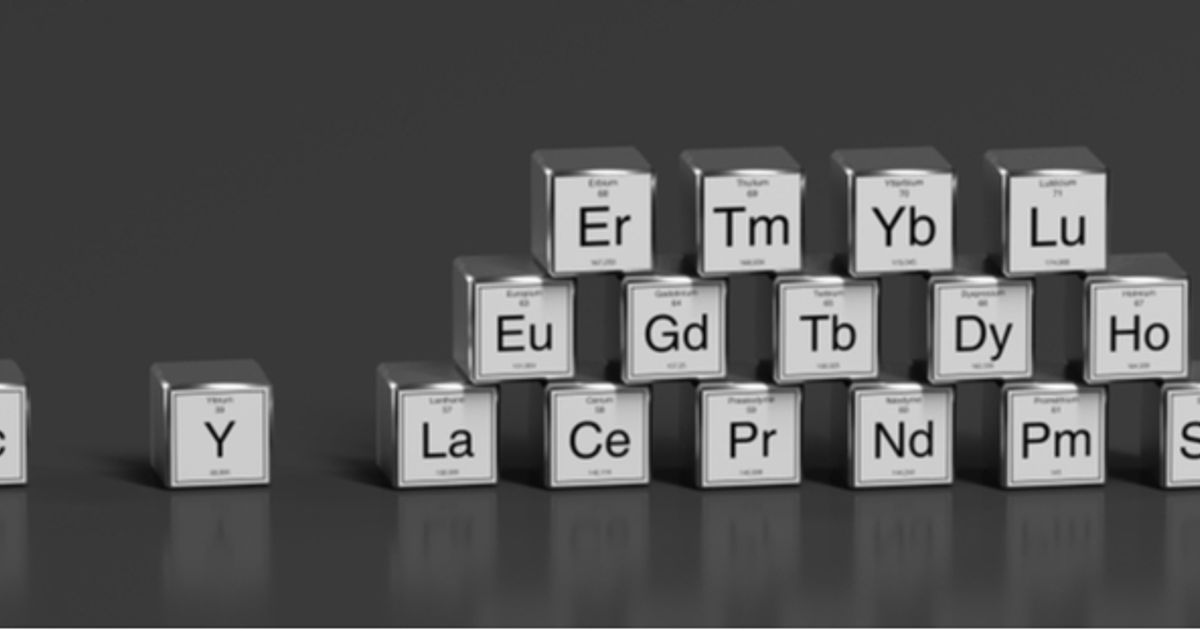
Rainbow Rare Earths reaffirmed its Phalaborwa rare earths project's Definitive Feasibility Study is on track for 2026 completion, aiming for construction in 2027. The project, which extracts high-purity rare earth elements from waste phosphogypsum, is positioned at the bottom of the global cost curve, promising high margins. Despite securing a US$50 million equity commitment from the US DFC and reporting a reduced annual loss of US$3.3 million, the company indicated a need for further investment by the end of next year to advance its scalable, environmentally responsible rare earths strategy.
Rainbow Rare Earths (RBW) has confirmed its Definitive Feasibility Study for the Phalaborwa rare earths project remains on track for 2026 completion, targeting construction in 2027. This project is strategically significant, aiming to produce critical light and heavy rare earth elements essential for electric vehicles, wind turbines, and defense technologies. Its unique phosphogypsum extraction method, avoiding traditional mining, positions it at the bottom of the global cost curve, promising high potential margins. The company reported strong technical progress, successfully producing a high-purity mixed rare earth product and advancing separation processes for higher-value outputs like neodymium-praseodymium oxide. Financially, Rainbow reduced its annual loss to US$3.3 million from US$4.3 million, aided by a US$1.2 million fair value gain. It also secured US$50 million in equity commitment from the US DFC and raised US$10 million during the year. Despite these operational and financial advancements, Rainbow ended the period with US$3.9 million in cash and explicitly stated a need to raise further investment by the end of next year. This future capital requirement is a critical factor for the project's continued development and the company's broader strategy, which includes replicating the model at the Uberaba project in Brazil and exploring global partnerships. The company's environmentally responsible technology offers a scalable rare earths business model.
AI-powered research, real-time alerts, and portfolio analytics for institutional investors.
Overall Sentiment
moderately positive
Sentiment Score
0.40
Ticker Sentiment
