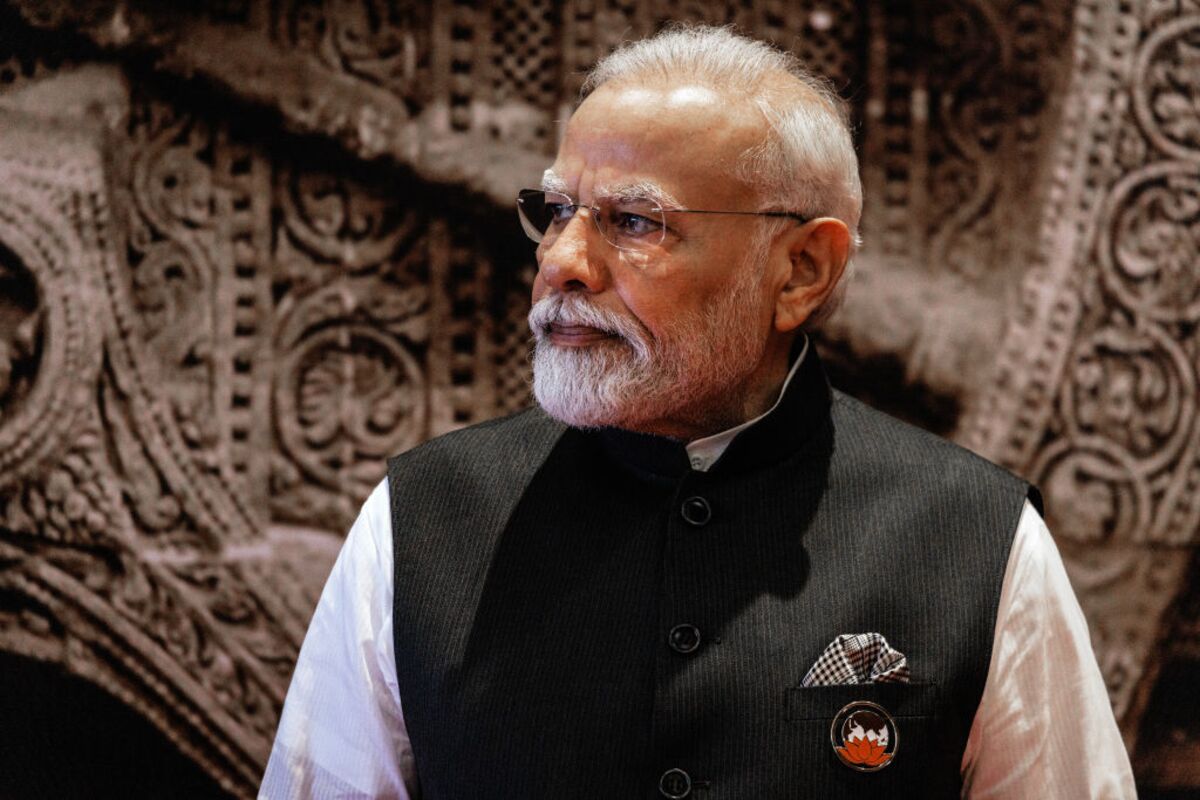
Indian PM Narendra Modi told Iranian President Ahmad Masoud Pezeshkian that safeguarding freedom of navigation and keeping shipping lanes open and secure is essential, and he condemned attacks on regional "critical infrastructure" that threaten stability and disrupt global supply chains. The remarks highlight diplomatic focus on maritime security risks to trade flows but contain no new policy or military actions that would immediately shift markets.
India signalling active diplomacy around maritime security is a structural positive for firms tied to naval presence, maritime domain awareness, and port construction rather than spot tanker or container freight plays. Expect multi-year procurement and partner-vendor relationships (surveillance radars, C4ISR, naval platforms) to re-rate suppliers with existing India programs; those revenue streams are stickier than one-off freight-rate spikes and show up in orderbooks with 12–36 month visibility.
Near-term tail risks remain asymmetric: a discrete escalation (proxy attacks, tanker strikes) would spike freight and insurance premiums in days and benefit spot owners and tanker players, while successful low-key diplomacy reduces that insurance premium and compresses transient freight alpha over months. The practical catalyst cadence is layered — incident-driven volatility (days–weeks), diplomatic confidence-building and patrol coordination (weeks–months), and port/infrastructure contracts or budget reallocations (12–36 months).
Second-order supply-chain effects are underappreciated. If India levers Iran cooperation to accelerate alternative routes/terminals (e.g., nearshore transshipment or overland connectors), it diverts some South/West Asia flows away from chokepoints and reduces global just-in-time fragility for select commodity corridors. That would undercut short-duration arbitrage captures by opportunistic shipping names but raise durable volumes for port operators, inland logistics and construction contractors in India and nearby hubs.
For portfolio construction, favor names with visible backlog and aftermarket service revenue tied to maritime security, avoid one-off freight beneficiaries whose upside is incident-dependent, and keep optionality via cheap-to-fund option exposure into defense/surveillance rerating while keeping stop-loss discipline around geopolitical shocks.
AI-powered research, real-time alerts, and portfolio analytics for institutional investors.
Request DemoOverall Sentiment
neutral
Sentiment Score
0.00
