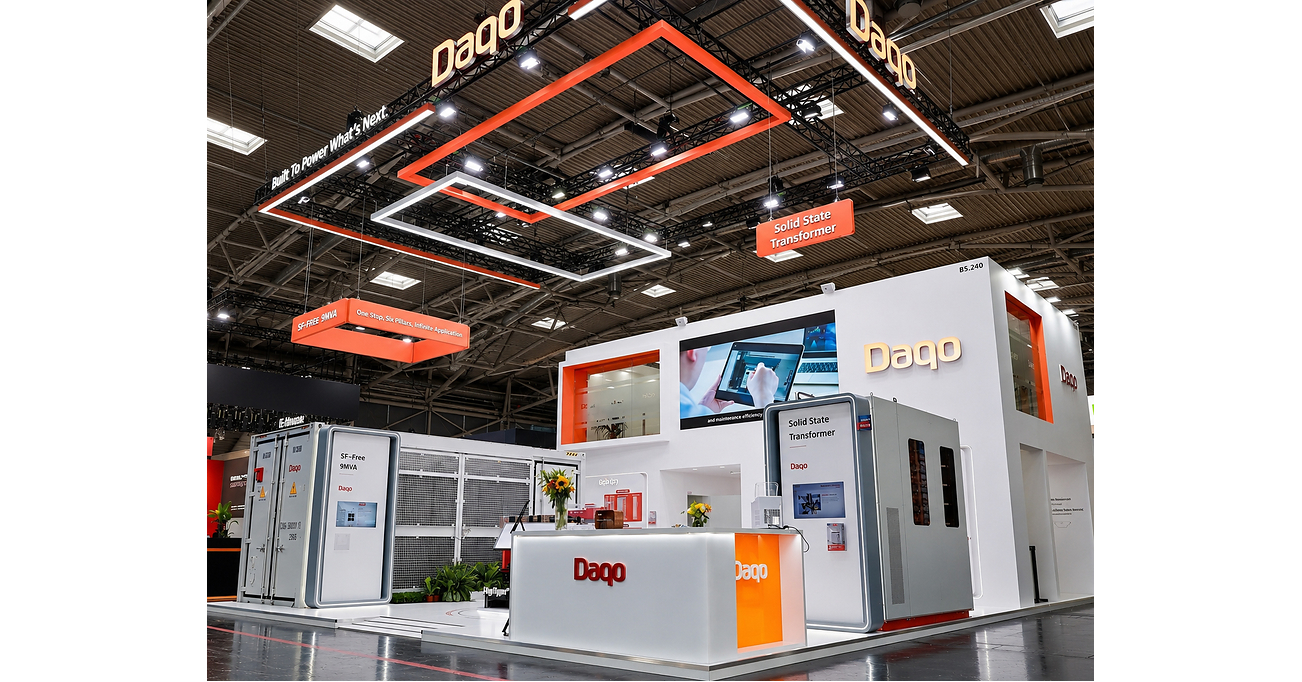
Daqo na veletrhu Smart Energy Europe 2026 představila RMU bez SF6 řady DQS Air a novou vzduchem izolovanou SF6-free RMU pro sekundární sítě, s cílem snížit údržbu a zlepšit spolehlivost v městských rozvodech. Dále ukázala kontejnerová řešení pro fotovoltaiku a BESS a modulární DQMpower 2.0 pro datová centra (integrace LV distribuce, UPS funkcí, řízení kvality a monitoringu). Firma zároveň zdůraznila tlak evropských zadavatelů na rychlejší připojení a lepší ekologickou výkonnost, přičemž očekává pokračování posílení lokální koordinace a partnerské sítě v Evropě.
This reads more like a regulatory-demand catalyst for the European grid gear ecosystem than a company-specific revenue inflection. The economic value is in shortening commissioning cycles and reducing integration risk, which tends to reward vendors with certified platforms, local service, and installed base relationships, not just the lowest sticker price. That should incrementally favor ABB, Schneider Electric, Siemens Energy’s grid segment, and Eaton over pure-play component suppliers that lack field presence.
The second-order effect is a likely shift in purchasing power toward integrated electrical platforms: utility-scale storage, data-center power rooms, and MV switchgear are increasingly bought as a system, not as standalone boxes. That compresses procurement friction and raises switching costs for incumbents that can bundle monitoring, remote control, and maintenance, while pressuring smaller regional assemblers. In the next 1-3 months, the market will care less about product announcements and more about order intake, backlog quality, and whether European grid capex budgets are actually expanding.
Contrarianly, the consensus may be underestimating qualification drag and overestimating speed of adoption. SF6-free is directionally positive, but utilities move slowly; a demo at a trade fair does not equal a bankable pipeline unless it clears utility standards, local-content rules, and reliability testing. The bigger risk to the bullish infrastructure trade is a deferral cycle in Europe if financing costs stay high; the thesis would be falsified if order growth fails to reaccelerate into the next two reporting seasons or if management commentary shifts to elongated sales cycles.
AI-powered research, real-time alerts, and portfolio analytics for institutional investors.
Request DemoOverall Sentiment
mildly positive
Sentiment Score
0.18
