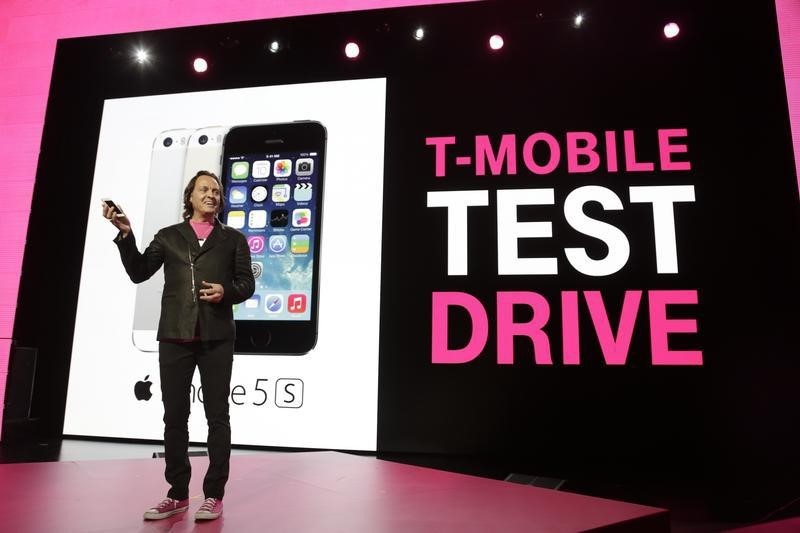
T-Mobile expects Q3 net postpaid account additions of ~250,000 vs ~304,000 analyst expectations, citing plan upgrades that also raise temporary churn. The company reported Q2 profit of $2.99/share (vs $2.59 est.) and lifted adjusted free cash flow to $18.4B–$18.8B (from $18.1B–$18.7B), supported by tax efficiencies and working-capital benefits from AI tools. Despite the EPS and FCF upside, the subscriber growth outlook weighed on shares, which fell nearly 7% on the day.
A double-digit gap lower in TSLA is usually the market saying the earnings power function is broken, not just that one quarter was noisy. The important second-order risk is margin elasticity: once auto margins compress, every future unit of volume is worth less and the stock stops getting the premium for optionality, because the core car business is still funding the AI/FSD narrative. Near term, that sets up more estimate cuts and factor-driven selling over the next 1-3 months; the stock only stabilizes if management can show margin recovery without leaning on incremental price cuts or credits.
For telecom, the T-Mobile reset looks more like monetization than demand destruction. That matters because it can lift industry ARPU and lower promo spend over 6-18 months, but the first-order pain is temporary churn and slower gross adds, which may create a short-lived opening for AT&T to pick up value-oriented switchers. The real winner is whichever carrier can bundle wireless with fiber and keep acquisition costs down; pure wireless share gains are less important than preserving cash flow and reducing subsidy intensity.
The contrarian read is that the market may be overreacting to headline subscriber softness at TMUS while underestimating how much of that churn is self-inflicted and reversible. By contrast, TSLA’s margin issue is harder to hand-wave away: if gross margin ex-credits keeps sliding, the multiple can compress toward an OEM framework even before delivery growth fully rolls over. In the next few days the tape may bounce on oversold conditions, but the cleaner catalyst path is still lower TSLA estimates and a calmer, more rational telecom pricing backdrop rather than a dramatic telecom short.
AI-powered research, real-time alerts, and portfolio analytics for institutional investors.
Request DemoOverall Sentiment
mildly negative
Sentiment Score
-0.12
Ticker Sentiment
