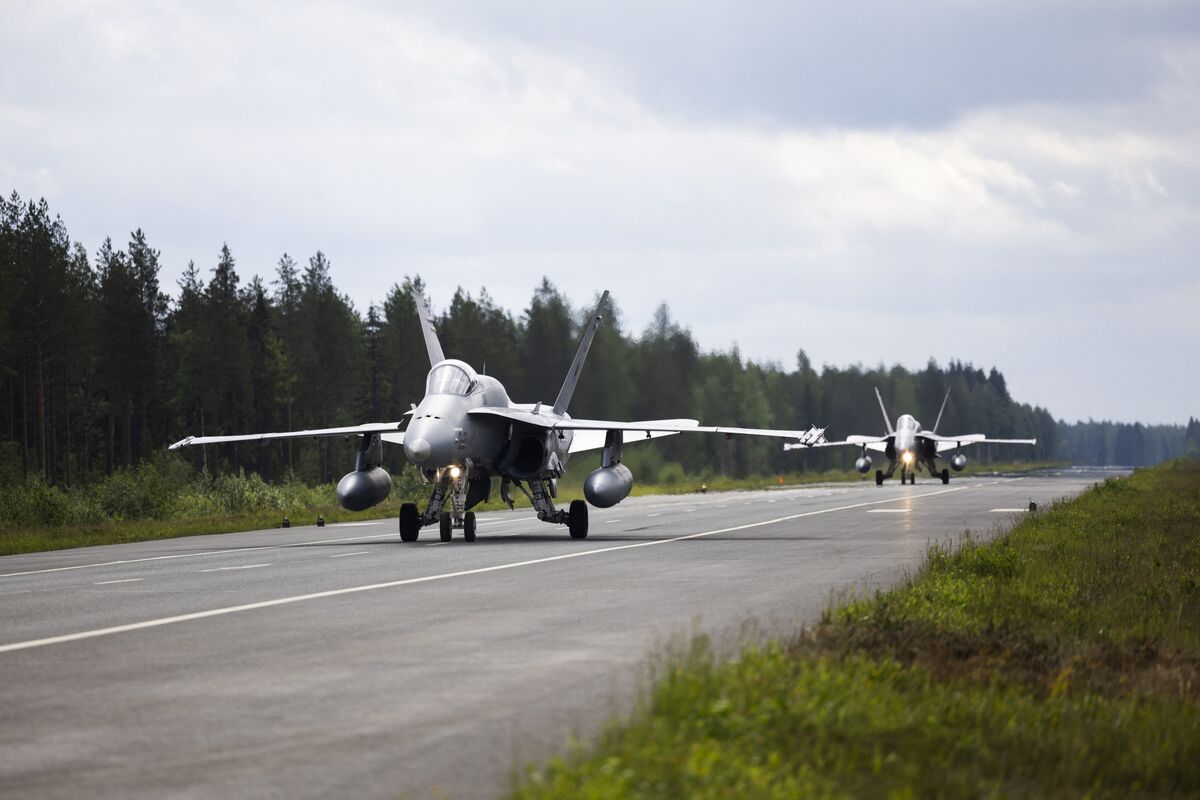
Finland’s parliament voted 125 to 61 to lift its nuclear weapons ban, allowing the import, transport, supply and possession of nuclear arms on Finnish territory when required for national defense. The move is a notable policy shift tied to deeper NATO integration and reflects rising security risks in the region. Finland says it does not plan to host nuclear weapons, so the immediate market impact is mainly geopolitical rather than direct.
This is less about immediate weapons deployment than about Finland reducing the political friction cost of being a frontline NATO state. The second-order beneficiary is the broader Nordic defense stack: command-and-control, air defense, surveillance, hardened infrastructure, and dual-use logistics should all see a higher probability of incremental budget allocations over the next 6-24 months as deterrence doctrine shifts from symbolic posture to operational readiness. The market tends to underprice this type of slow-burn rearmament because the headline is nuclear policy, but the spend actually flows into conventional systems and base resilience.
The main loser is any European security thesis premised on a stable post-Cold War equilibrium. This increases the odds that neighboring states move further up the threat curve, which can pull forward procurement cycles rather than expand them evenly over time. Watch for a spillover effect in Sweden, Norway, and the Baltics: once one Nordic state normalizes higher-alert defense legislation, the political hurdle for others to fund missile defense, munitions stockpiles, and military mobility drops materially.
The contrarian point is that the market may focus on nuclear optics while missing that Finland is still signaling restraint, not escalation. That caps the near-term tail risk of an actual hosting decision, which means the immediate price impact on broad European risk assets should be muted; the real trade is in multi-year capex winners, not a one-day geopolitics shock. The reversal trigger is diplomatic de-escalation and a durable ceasefire architecture in Europe, but absent that, the path of least resistance is steady defense normalization rather than a discrete event spike.
AI-powered research, real-time alerts, and portfolio analytics for institutional investors.
Request DemoOverall Sentiment
neutral
Sentiment Score
-0.05
