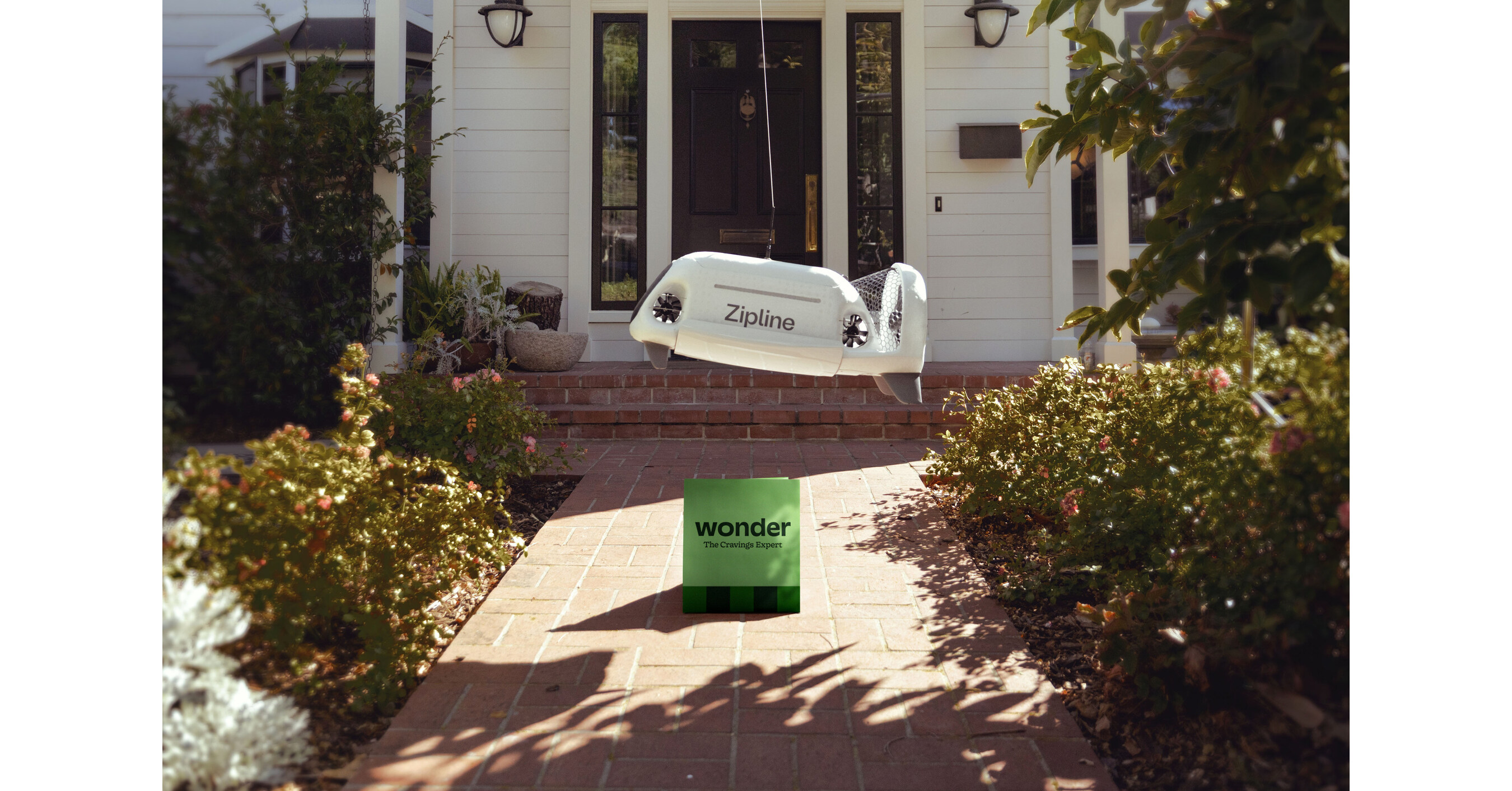
Wonder and Zipline announced on-demand drone delivery at Wonder locations across Texas, starting January 2027, with most Texas locations expected to offer drone delivery by end-2027 (beginning in Dallas). The partnership is positioned to cut delivery times and extend service to underserved areas using Zipline’s autonomous electric drones and the Zipline Dropbox pickup solution. Overall, this is a positive expansion of Wonder’s delivery capabilities, but it is not tied to reported financial results or guidance changes.
The economically important signal is not the drone itself; it is the attempt to reprice last-mile from a variable labor cost into a more fixed, software-and-asset-driven cost stack. If this works even in a narrow Texas footprint, the first beneficiaries are dense, high-AOV meal formats where speed and order integrity lift conversion and repeat rate. Over time, that creates a subtle competitive wedge versus marketplace aggregators: restaurants with their own demand layer can selectively bypass the most expensive parts of the gig-delivery stack, which pressures take-rate assumptions across the sector.
Near term, this is still an execution story, not an earnings story. Regulatory approvals, weather, payload limits, noise, and route density will determine whether this becomes a margin lever or a marketing expense. The key 1-3 month catalyst is not the announcement itself but early operating data: order volume per store, contribution margin after drone costs, and customer retention versus conventional delivery. If those metrics disappoint, the market should fade any autonomy read-through quickly.
The contrarian point is that consensus tends to over-extrapolate pilots into platform-scale disruption. Most drone economics break down outside of dense, high-frequency corridors, so the real watch item is whether the unit economics are good enough to justify rollout beyond a few flagship locations. If not, the competitive impact on incumbents like DASH/UBER Eats is more narrative than financial for 12-18 months. If yes, the second-order effect is broader: restaurant chains may start treating autonomous delivery as a bargaining chip against third-party delivery fees, compressing platform economics over years.
AI-powered research, real-time alerts, and portfolio analytics for institutional investors.
Overall Sentiment
mildly positive
Sentiment Score
0.20
Ticker Sentiment
