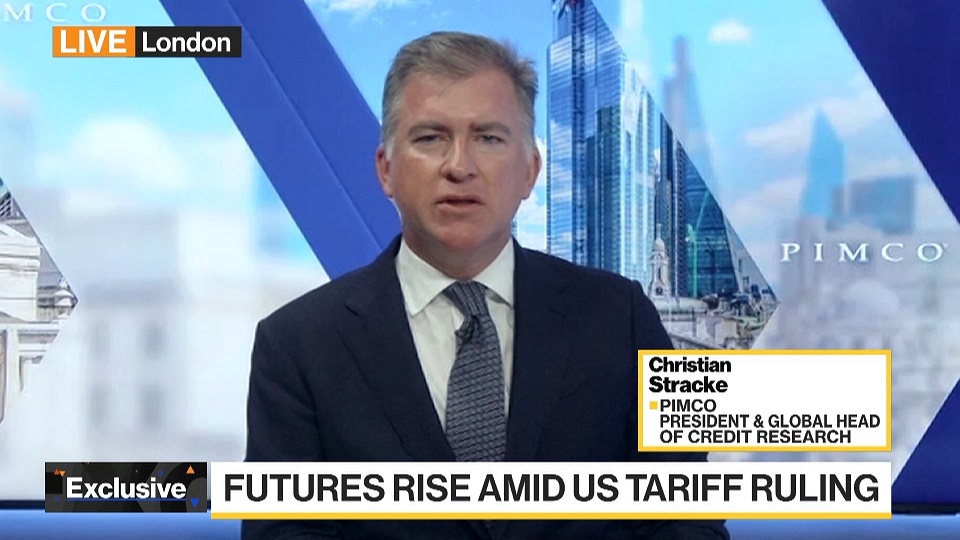
Pimco's portfolio manager, Christian Stracke, expressed concerns about the ability of floating-rate borrowers to service their debts amid rising interest rates, particularly in the U.S. where a significant portion of debt is tied to floating rates; this situation could potentially lead to increased defaults and impact credit markets if rates continue to climb.
Pimco's portfolio manager, Christian Stracke, has articulated concerns regarding the ability of floating-rate borrowers to service their debt obligations amidst a rising interest rate environment. This apprehension is particularly acute for the U.S. market, where a significant portion of outstanding debt is tied to floating rates. The core risk identified is that continued increases in interest rates could lead to a higher incidence of defaults among these borrowers, which in turn could negatively impact the broader credit markets. The moderately negative sentiment (score -0.5) and cautious tone associated with this outlook, coupled with a market impact score of 0.6, suggest that these concerns are material and could affect themes such as Interest Rates & Yields, Credit & Bond Markets, and Banking & Liquidity if interest rates persist in their upward trajectory.
AI-powered research, real-time alerts, and portfolio analytics for institutional investors.
Request DemoOverall Sentiment
moderately negative
Sentiment Score
-0.50
