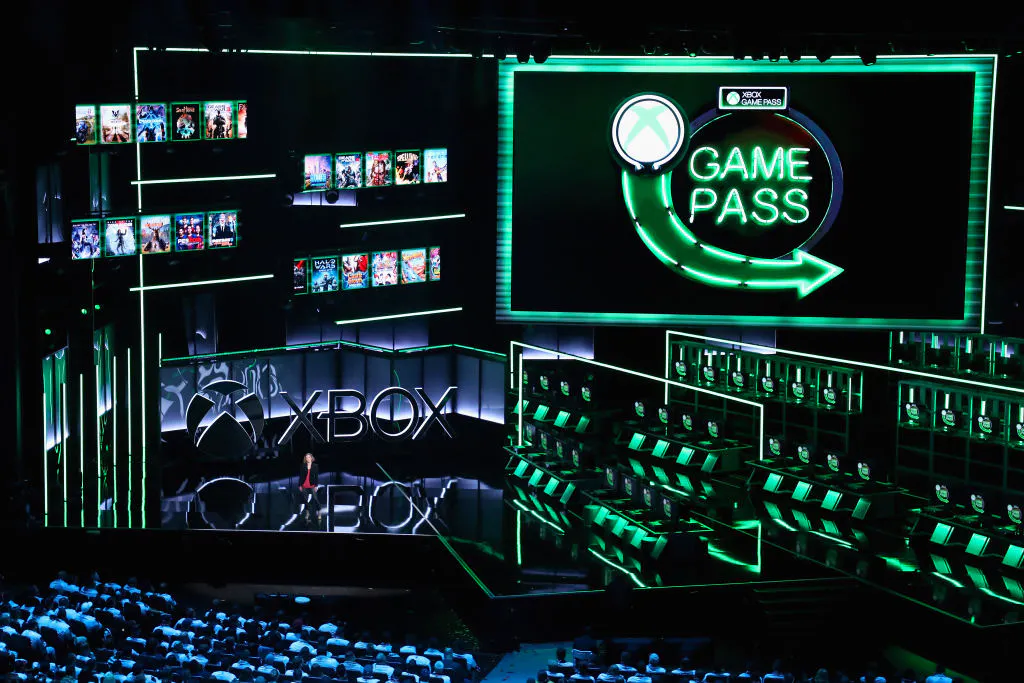
Xbox’s new chief says Game Pass has become 'too expensive for players' just 6 months after Microsoft raised subscription prices by 50% in October. The memo signals a possible reset in gaming strategy, but it is not yet clear whether prices will be cut or whether bundling with Netflix could emerge. The article points to strategic uncertainty rather than an immediate financial shock.
The key signal is not pricing itself but strategy instability: if management is openly revisiting a 50% price hike within months, it suggests elasticity was underestimated and the subscription flywheel is more fragile than the market assumed. That matters because the gaming segment is increasingly a customer-acquisition funnel for broader ecosystem monetization; weakening value perception can suppress engagement, reduce attach rates for higher-margin services, and slow cross-sell into first-party content and cloud. For Microsoft, the near-term risk is margin optics: any retreat on price would pressure gaming revenue growth while leaving content and platform investment intact, creating a temporary operating deleverage window over the next 2-3 quarters. The second-order benefit could be lower churn and better utilization if pricing is re-anchored before cancellation behavior becomes entrenched; that is typically a better outcome than forcing a premium SKU into a mass-market habit product. The market should watch subscriber cohort retention, not headline subs, because the real damage would show up in fewer renewals and weaker engagement metrics before it appears in reported financials. The Netflix angle is more interesting than the gaming one: a bundle would be a low-cost way to expand perceived utility without Netflix having to build a first-party game destination from scratch. If structured as a distribution add-on rather than a full product merge, it could raise ARPU at low incremental content cost and create a defensible bundle against standalone gaming subscriptions. The contrarian read is that the apparent reversal is less a mistake admission than an early acknowledgment that the winning model may be packaging, not pure subscription pricing.
AI-powered research, real-time alerts, and portfolio analytics for institutional investors.
Request DemoOverall Sentiment
mildly negative
Sentiment Score
-0.15
Ticker Sentiment
