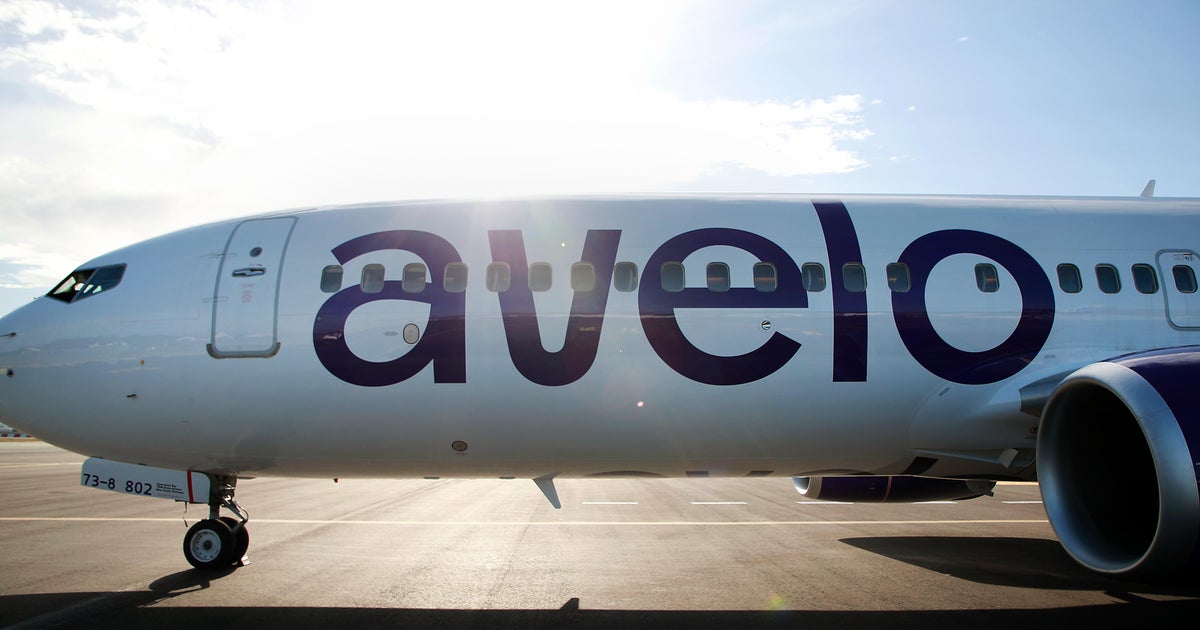
Avelo Airlines will stop carrying Department of Homeland Security/ICE deportation charters and close its Mesa Gateway Airport base on January 27, saying the contract did not provide consistent, predictable revenue and added operational complexity. The Houston-based low-cost carrier — founded in 2021 and operating from four U.S. hubs — attributed the withdrawal to weak financial benefits and public backlash that activists say contributed to falling sales and canceled commercial flights; DHS had used CSI Aviation as the prime contractor (GlobalX handles roughly 70% of DHS flights). Avelo continues commercial operations and plans a fifth base in Dallas in late 2026, signaling a strategic pivot away from volatile charter work toward its core leisure network.
Market structure: Avelo’s exit from DHS deportation charters removes a small but high-friction supply node in the charter market and hands incremental pricing power to larger specialist providers (e.g., GlobalX/CSI). For commercial leisure routes, the immediate capacity reduction at Phoenix–Mesa is <1% of U.S. scheduled seat miles but signals that reputational/ESG shocks can materially depress load factors for thin-margin LCCs; expect local fares to reprice +2–5% on routes where Avelo was marginal capacity over 1–3 months. Risk assessment: Tail risks include protest-driven network disruptions, municipal contract bans, or a cascade of brand-driven booking declines for other small LCCs, which could widen speculative-grade airline bond spreads by >150–300 bps in a stress scenario. Immediate (days) impact is sentiment; short-term (weeks–months) is bookings and route pruning; long-term (quarters) is hub strategy reallocation (Avelo’s 2026 Dallas base now a key milestone to watch). Trade implications: Tactical trades favor short, hedged exposure to small/ultra-low-cost carriers (SAVE, JBLU smaller unit economics) and selective long positions in diversified carriers and lessors (LUV, AER) that can absorb idiosyncratic share gains. Use short-dated put spreads on small-cap airline equities to limit cost, and rotate ~1–3% weight from small LCC equities into larger-cap carriers or aircraft lessors over 1–3 months. Contrarian angles: Market may underprice the positive for charter specialists who gain share and can raise rates; conversely the market may over-penalize all leisure carriers when only a subset is vulnerable. Watch bond spread moves: if small airline IG/BB spreads widen >150 bps, selective credit buys in top-tier lessors or legacy carriers become attractive for 6–18 month carry.
AI-powered research, real-time alerts, and portfolio analytics for institutional investors.
Request DemoOverall Sentiment
moderately negative
Sentiment Score
-0.40
