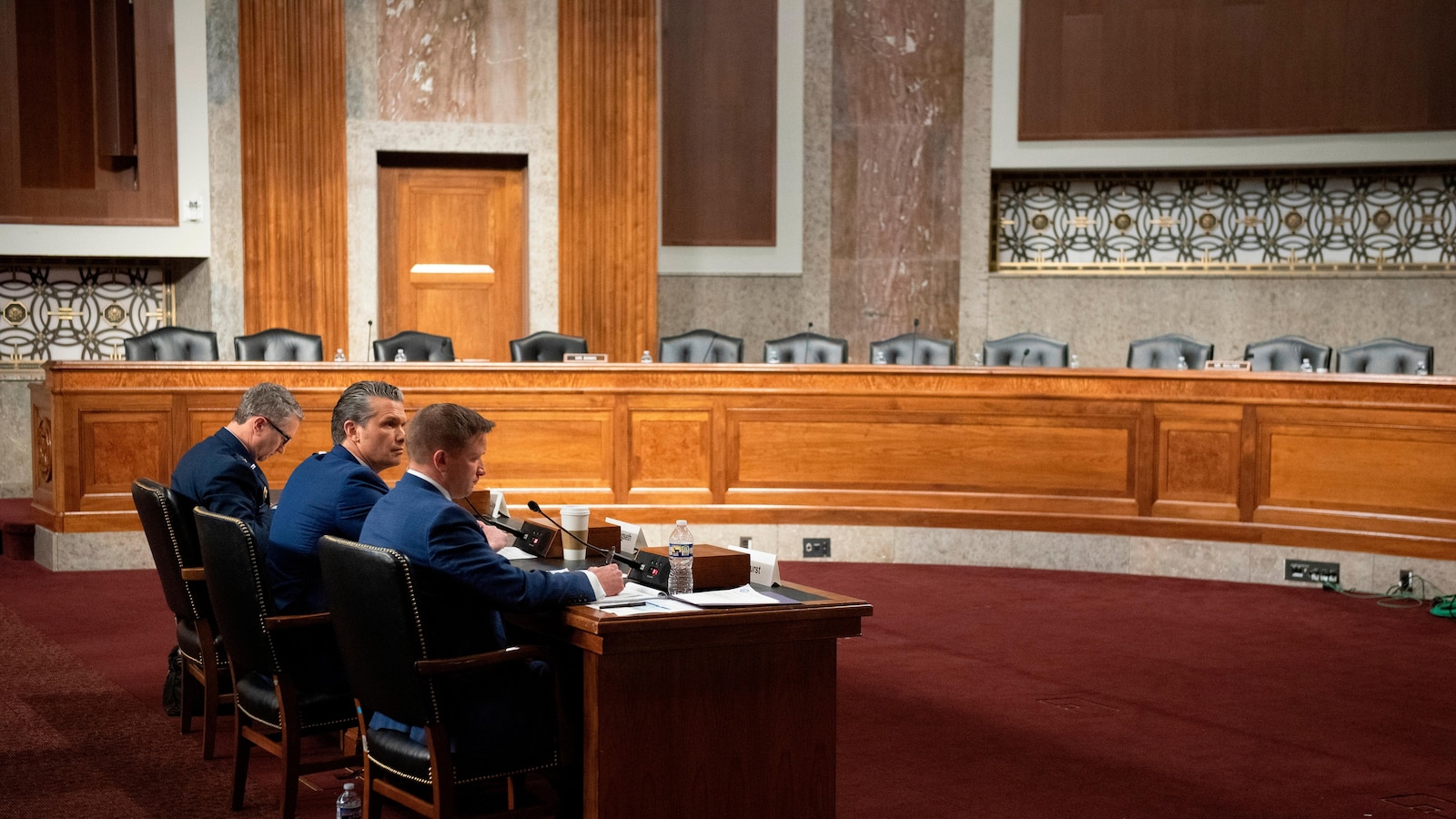
The 60-day War Powers deadline for congressional authorization of U.S. military action in Iran is set to expire Friday, but Republican lawmakers are deferring to President Trump and no vote is planned. The White House argues the clock stopped when the April 7 ceasefire began, while Democrats dispute that reading and warn the administration is ignoring the 1973 statute. The stalemate keeps geopolitical risk elevated and may continue to pressure gas prices and defense-related markets.
The market implication is less about the legal deadline and more about a temporary suppression of policy risk premia: a fragile ceasefire can keep crude and defense multiples from re-rating, but it also creates a latent gap between administrative action and congressional legitimacy. That gap matters because if hostilities resume, lawmakers will have a ready-made political narrative that support was extended without authorization, which raises the odds of a sharper, faster policy reaction the second time around.
Energy is the cleaner read-through than defense. If the blockade/strait risk persists, the relevant second-order effect is not just higher headline oil, but wider regional shipping and insurance costs, which can hit refiners, chemical inputs, and air cargo before majors fully benefit. The near-term loser is consumer discretionary and transport, where gas-price sensitivity can compress sentiment even if the actual crude move is modest.
The contrarian view is that the market may be underpricing how quickly this becomes a domestic political issue rather than a foreign-policy issue. A ceasefire that looks stable for two to four weeks could paradoxically reduce the risk premium, but any fresh incident would likely reprice from a lower base, creating a larger percentage move in oil volatility than in spot crude. That favors optionality over outright delta exposure.
The biggest catalyst is the next set of briefings and whether the White House gives lawmakers enough operational detail to defuse bipartisan pressure; absent that, Congress becomes a headline risk amplifier into the next funding cycle. Over months, the more important question is whether the administration’s legal posture normalizes executive overreach, which would increase tail risk around future military actions and make energy and defense assets trade with a higher geopolitical beta.
AI-powered research, real-time alerts, and portfolio analytics for institutional investors.
Request DemoOverall Sentiment
mildly negative
Sentiment Score
-0.15
