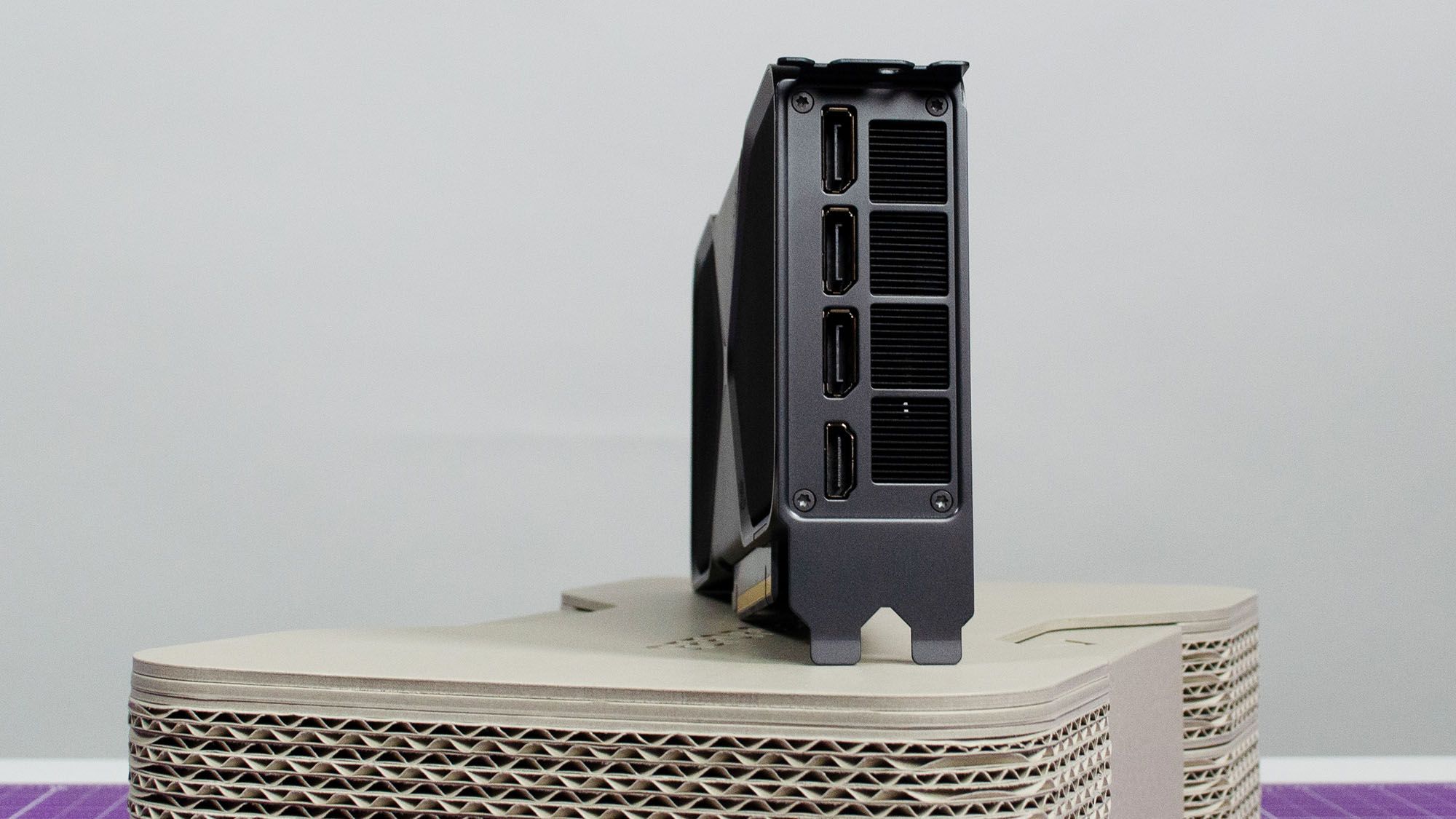
Nvidia is reported to be planning a 30%–40% reduction in supply of its RTX 5000 (Blackwell) gaming GPUs in the first half of 2026 versus the same period in 2025, driven by VRAM price hikes and memory supply constraints. Sources cite likely adjustments to specific SKUs (notably RTX 5070 Ti and RTX 5060 Ti 16GB) and the potential delay or cancellation of RTX 5000 Super refreshes, a move that would shift available silicon toward higher‑margin AI accelerators and could depress gaming GPU unit sales and third‑party board makers’ inventories. Investors should consider the implications for Nvidia’s gaming revenue mix, partner inventory/availability, and DRAM/VRAM supply dynamics that may persist into late 2026.
Market structure: A 30–40% cut to RTX 5000 supply in H1 2026 shifts share and pricing power toward AI-focused GPUs and memory suppliers. Nvidia (NVDA) will likely reallocate wafers to Blackwell AI SKUs with higher gross margins, squeezing mid-range AIBs and reducing retail gaming SKUs; VRAM suppliers (Micron/MU, SK Hynix) gain pricing power if tightness persists (spot +20–40% risk). FX/commodities: stronger DRAM/VRAM pricing supports semi supplier earnings and could steepen credit spreads for memory-heavy OEMs; modest negative impulse for NVDA equity volatility near near-term guidance events.
Risk assessment: Tail risks include a prolonged VRAM shortage extending beyond 4–6 quarters, regulatory action on bundling or export controls limiting NVDA’s ability to prioritize AI, and a gaming-PC demand collapse amplifying inventory write-downs. Immediate (days): knee-jerk volatility around any NVDA comments; short-term (weeks–months): channel inventory reshuffles and partner constraints; long-term (quarters): memory capex cycle and new wafer allocations decide permanent share shifts. Hidden dependencies: AIB partners’ access to procured VRAM, console refresh timing, and Micron/SK Hynix capex plans; catalysts are NVDA’s next earnings guide, Micron quarterly outlook, and spot VRAM price moves >+25%.
Trade implications: For hedged exposure, buy NVDA 3–6 month put spreads (e.g., buy 1–5% OTM, sell 10–15% OTM) sized to 1–2% portfolio to protect AI-exposed long positions; establish a tactical 1–2% long in AMD (AMD) via 9–12 month ATM call LEAPs to capture potential share gains in mid-range GPUs. Long memory suppliers (Micron MU, SK Hynix) via 3–6% tactical positions if VRAM spot >+20% and supply tightness persists; consider a pair: long AMD (1% equity) / short NVDA (0.5–1% via call sales or short-dated puts) to express relative gaming share reallocation. Enter before NVDA’s next guidance; trim/exit on confirmed VRAM price reversion (spot fall >15%) or NVDA guidance restoring gaming supply.
Contrarian angles: Consensus underestimates NVDA’s ability to monetize AI SKU upside—short-term gaming cuts could be margin-accretive overall, making a full equity short on NVDA dangerous beyond 3–6 months. Historical memory cycles (2016–2018) show suppliers can swing from shortages to oversupply in 6–12 months; if memory capex already accelerating, VRAM strength may be overdone and provide a re-entry point into NVDA. Unintended consequences: severe gaming SKU scarcity could accelerate AMD/Intel (INTC) OEM deals or drive users to consoles/second-hand markets, capping aftermarket GPU pricing. Use explicit triggers: scale out if NVDA issues a >10% gaming revenue downgrade or if VRAM spot reverses by >15% within 60 days.
AI-powered research, real-time alerts, and portfolio analytics for institutional investors.
Request DemoOverall Sentiment
moderately negative
Sentiment Score
-0.35
Ticker Sentiment
