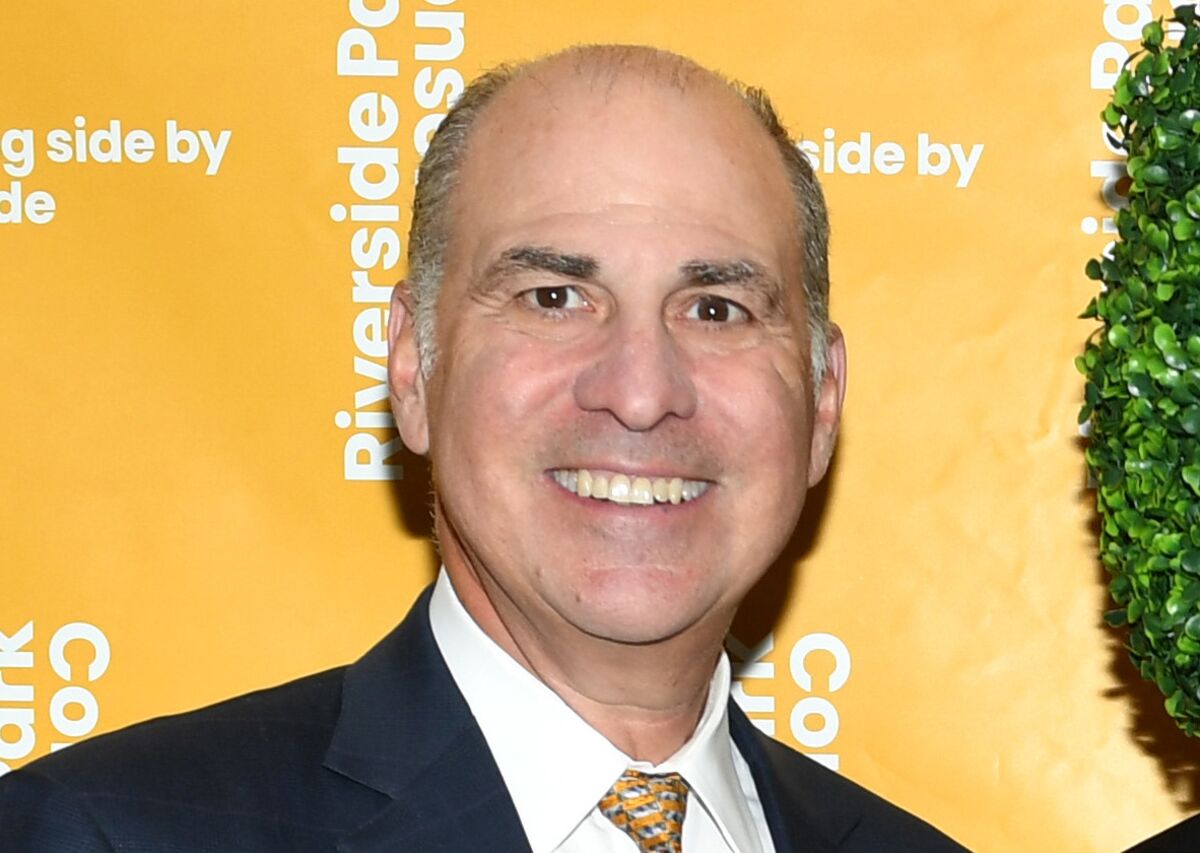
Harley Bassman has sued Simplify Asset Management, alleging the firm failed to pay millions of dollars tied to revenue-sharing arrangements on ETFs he helped create. Simplify disputes the claims and says it will challenge them in court. The case is primarily a legal and governance issue, with limited immediate market impact but potential financial and reputational risk for the ETF manager.
This is a governance-overhang event more than an immediate fundamental shock, but the second-order risk is real: an ETF platform’s edge is often built on a handful of star product architects, and litigation like this can impair pipeline velocity, retention, and distributor confidence before any judge rules. Even if assets stay put in the near term, the market may start discounting higher “key-person” risk across boutique ETF issuers, especially those leaning on differentiated, options-heavy, or rates-centric strategies where intellectual property and relationships matter as much as raw scale.
The bigger issue is incentive design. If revenue-share economics are disputed, the likely outcome is either a settlement or a cultural reset around creator compensation across the sector, which could raise operating costs for smaller ETF sponsors and make retention packages more expensive. That is mildly negative for all subscale active ETF platforms because the ecosystem is already in an arms race for portfolio-manager talent and distribution, and headline litigation can make future hires more expensive or harder to close.
Near term, the stock-level impact is mostly sentiment-driven and probably shows up in flows only if counterparties or advisors infer management instability. The risk window is months, not days: discovery, countersuits, and settlement chatter can prolong uncertainty, while a clean early settlement would cap the downside. The contrarian take is that this may ultimately be constructive if it forces clearer economics and reduces future legal ambiguity; in that case, the market may be overstating the permanence of the damage, especially if the products involved continue gathering assets.
For competitors, this is a small but real recruiting opportunity: larger ETF sponsors with deeper comp structures can use the episode to poach talent and compress the moat of niche issuers. If that turns into even modest share gains in active fixed-income ETF launches, the effect compounds because distribution shelf space is sticky. In other words, the headline looks idiosyncratic, but the second-order read-through is that boutique ETF economics may be more fragile than investors assume.
AI-powered research, real-time alerts, and portfolio analytics for institutional investors.
Request TrialOverall Sentiment
moderately negative
Sentiment Score
-0.35
