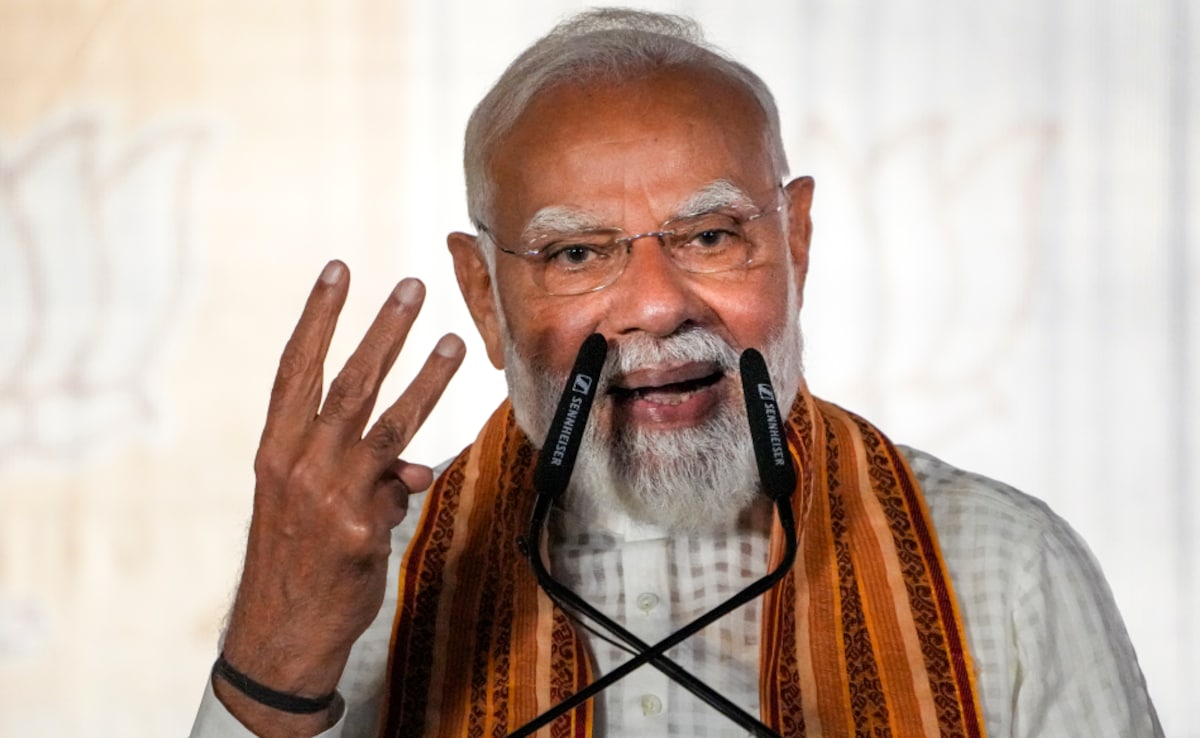
PM Modi urged Indians to cut petrol and diesel use, avoid non-essential gold purchases, and reduce foreign travel as Middle East hostilities and the Strait of Hormuz blockade pushed up oil prices and strained supply chains. The article cites around 1,500 ships trapped in the Gulf, with rising import costs depleting foreign exchange reserves and adding pressure to inflation and energy markets. The message signals a defensive policy response to a geopolitical shock with broad macro implications for India and global trade.
This is less about near-term fuel demand destruction and more about a coordinated policy signal that India is preparing households and businesses for a prolonged external price shock. The first-order market read is modestly negative for refined-product volume growth, but the second-order effect is tighter domestic discretionary spending: once consumers are explicitly told to defer travel, gold, and non-essential outlays, the elasticity shows up fastest in autos, airlines, premium retail, and hospitality before it reaches staples.
The more interesting channel is FX defense. India is effectively prioritizing current-account resilience, which usually supports the currency in the short run but can compress imported-input margins for consumer and industrial firms with weak pass-through. If oil remains elevated for several weeks, the pain migrates from transport to broader inflation expectations, forcing either policy restraint or a slower easing path—both are headwinds for rate-sensitive growth names and leveraged domestic cyclicals.
There is also a competitive wedge being opened between domestic and imported consumption. Local brands, rail-linked logistics, EV adoption, and agricultural inputs that reduce diesel dependence stand to gain share, while categories tied to outbound travel, jewelry, and discretionary imported goods face a demand air pocket. The contrarian takeaway is that the message itself can be a demand suppressant even if physical shortages do not worsen; sentiment can front-run fundamentals by one to two quarters.
The main reversal catalyst is geopolitical de-escalation that normalizes shipping lanes and cools Brent—if that happens, the policy impulse loses urgency quickly and the trade becomes a short-duration sentiment event. Until then, the risk is not just higher oil, but a sequence where household behavior, company guidance, and FX expectations all move in the same direction, amplifying the macro slowdown beyond what commodity prices alone would imply.
AI-powered research, real-time alerts, and portfolio analytics for institutional investors.
Request DemoOverall Sentiment
mildly negative
Sentiment Score
-0.35
