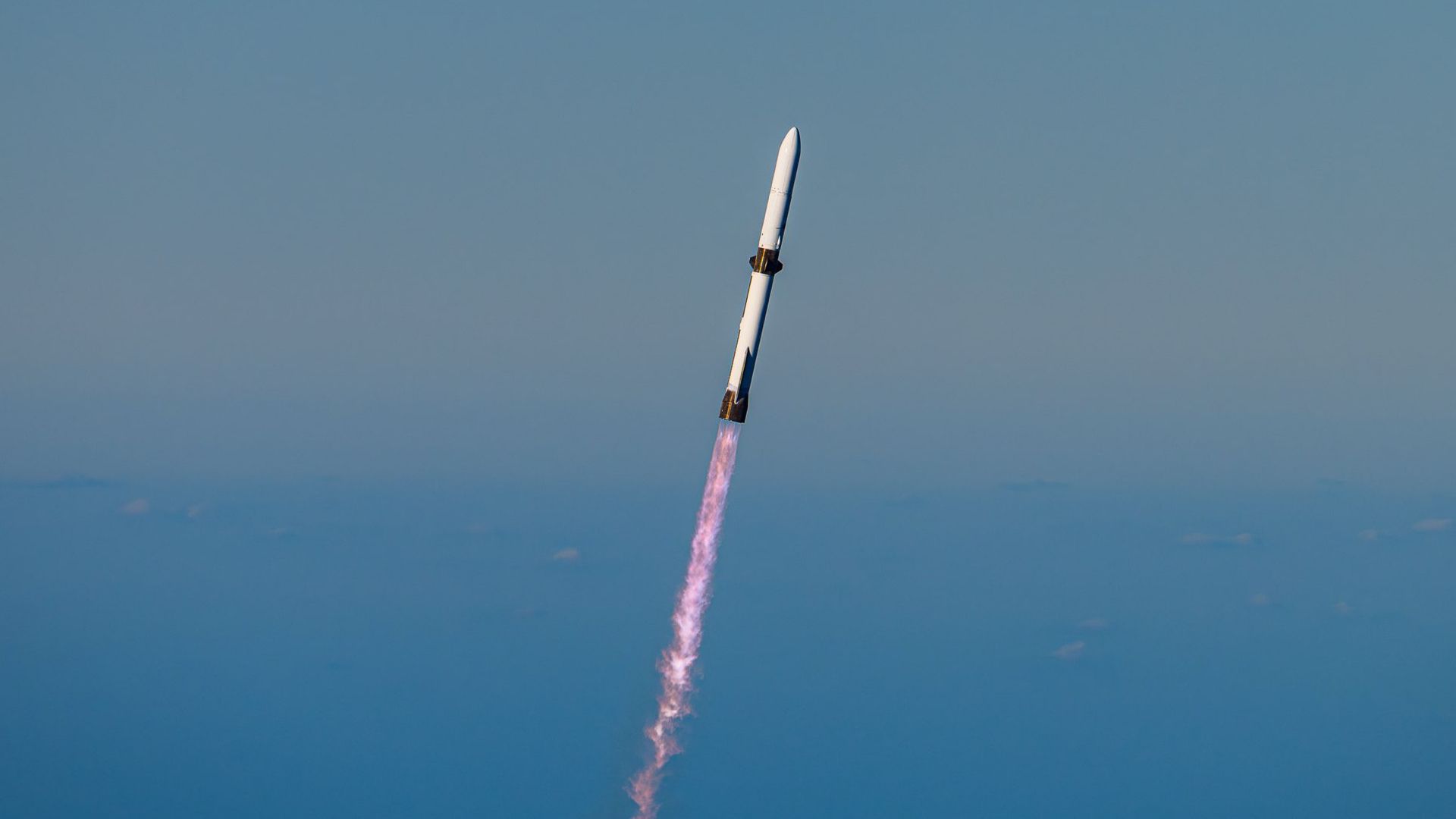
Blue Origin's New Glenn exploded during a prelaunch hotfire test at Cape Canaveral, likely causing extensive damage to Launch Complex 36 and delaying the rocket's fourth flight, which had been scheduled for June 4. The failure is a setback for Blue Origin's lunar ambitions, including NASA-linked Artemis and Moon Base plans, and could temporarily ground the program because LC-36 is the only New Glenn launch pad. No injuries were reported.
This is not just a one-off launch delay; it is a schedule-concentration event for Amazon’s satellite strategy. When a single vehicle and a single pad become the bottleneck, any ground anomaly translates into a nonlinear slip risk for the entire launch manifest, which can cascade into higher retention spend, deferred service revenue recognition, and more importantly, a credibility discount on the constellation ramp versus competing broadband and defense-adjacent networks.
The second-order beneficiary is SpaceX, not because it wins this specific payload, but because it gains optionality and bargaining power across the launch market. If Blue Origin’s cadence slips by even 1-2 quarters, customers with time-sensitive payloads will reallocate slots to incumbents, and that dynamic tends to persist because manifest rebooking favors proven reliability over nominal price. That also raises the odds that Amazon has to absorb incremental launch costs or accept slower network density, both of which pressure near-term economics more than headline investors may appreciate.
The market is likely underestimating pad damage risk relative to vehicle replacement risk. A launcher can be rebuilt on a months timeline; a pad certification/reset can take longer if structural, propellant, or range-safety systems are affected, and with only one active pad the downtime is effectively a hard stop. The key reversal catalyst is a rapid forensic conclusion showing localized damage only, plus a credible revised test cadence within weeks; absent that, the overhang should persist into the next launch window and likely force management to guide around schedule slippage.
Contrarian view: the selloff risk in AMZN may be overdone if investors conflate Blue Origin’s milestone delays with Amazon’s core retail/cloud engine. But the issue is not earnings sensitivity today; it is strategic execution optionality and future capital allocation. The right framing is that this increases the discount rate applied to Amazon’s moonshot portfolio, while leaving the core business intact.
AI-powered research, real-time alerts, and portfolio analytics for institutional investors.
Request DemoOverall Sentiment
strongly negative
Sentiment Score
-0.55
Ticker Sentiment
