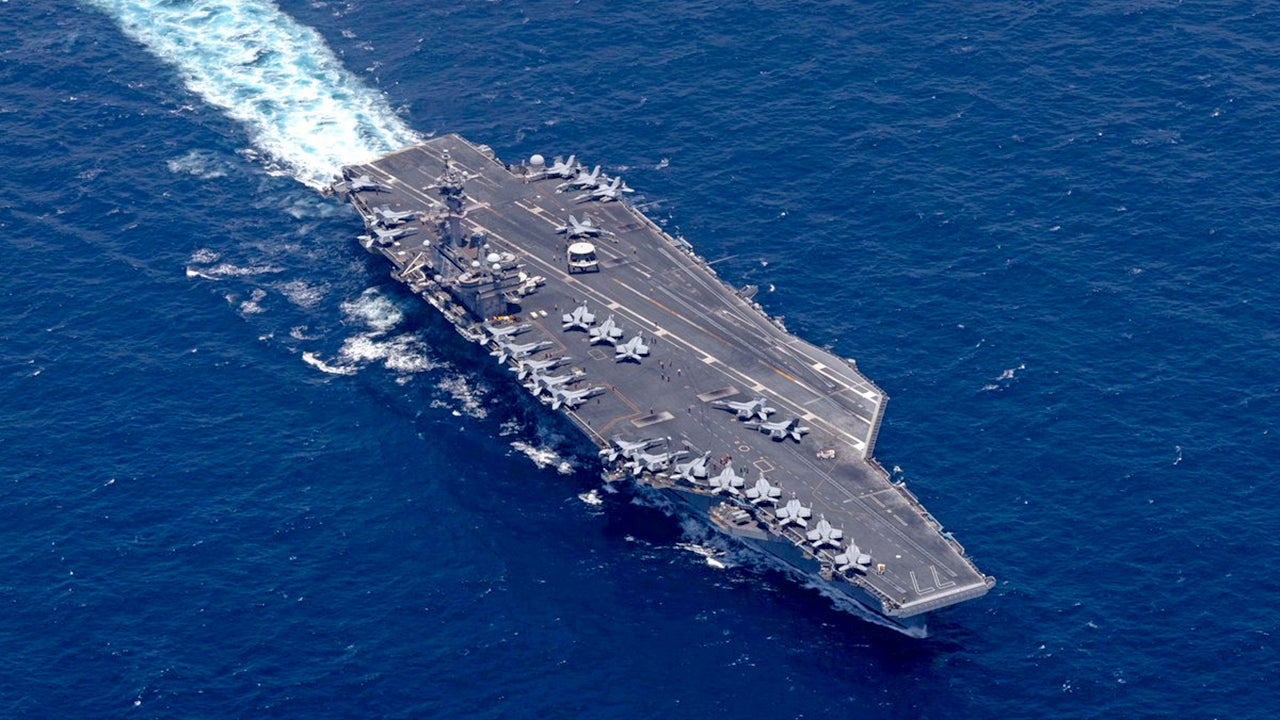
Trump temporarily paused Project Freedom, the U.S. effort to secure traffic through the Strait of Hormuz, while keeping the blockade on Iranian ports in place. He warned bombing could resume at a much higher intensity if Iran does not accept the emerging terms, even as reports suggest the U.S. and Iran are close to a one-page memorandum and a potential ceasefire framework. The news is highly market-relevant given the Strait’s role in global oil flows; gas prices were already cited at $4.53 per gallon, up 5 cents on the day.
The market should read this less as a de-escalation than as a tactical throttling of supply risk. The key second-order effect is that even a temporary pause in escort operations leaves the blockade architecture intact, which keeps freight, insurance, and inventory planning distorted; that supports elevated Asian delivered energy pricing even if front-end Brent retraces on headline relief. The real winner is diplomatic optionality: every extra day of talks reduces the probability of an outright Gulf logistics shock, but it also preserves leverage for renewed strikes, so volatility premia in crude and tanker rates likely stay bid rather than collapse.
The clearest beneficiaries are non-Gulf supply chains and firms with flexible feedstock optionality. European refiners, LNG importers, and diversified integrateds with Atlantic Basin exposure should outperform pure-play importers in Asia, where elevated bunkering and diversion costs remain sticky. Tanker owners and marine insurers may see a bifurcated setup: near-term spot rates can soften if more hulls re-enter trade, but war-risk premiums should remain structurally higher until there is a signed framework, not just a pause.
Consensus looks too quick to price in energy relief. A pause is reversible within hours, while a blockade can be re-tightened faster than physical flows can normalize; that asymmetry favors owning convexity rather than chasing spot commodities lower. The underappreciated tail risk is that any breakdown in talks could trigger a much harsher response after a short ceasefire, creating a sharper upside gap in crude, defense, and shipping disruption names than the initial spike.
Politically, the involvement of third-party mediators lowers the odds of immediate escalation but raises the odds of a fragile, headline-driven range market. That argues for trading the volatility regime rather than direction: realized volatility in oil and maritime-related equities should stay elevated for several sessions, then compress only if the market gets a concrete sanctions/inspection framework and corridor guarantees.
AI-powered research, real-time alerts, and portfolio analytics for institutional investors.
Request DemoOverall Sentiment
mildly negative
Sentiment Score
-0.15
