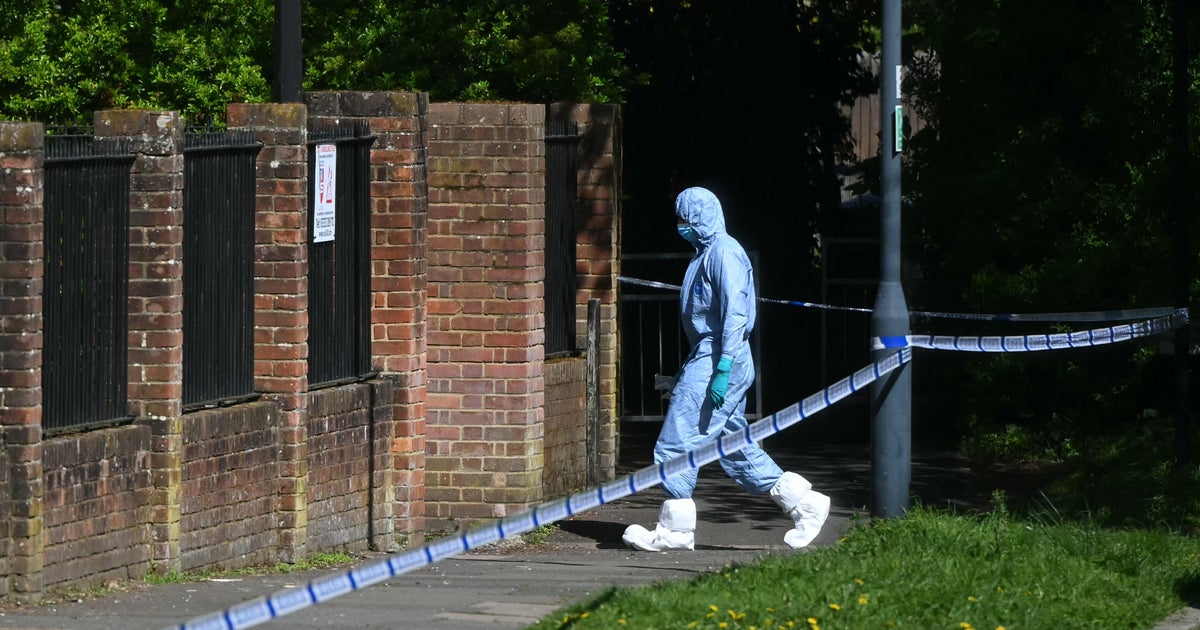
A third antisemitic arson-related attack on a Jewish site in the UK this week caused smoke damage at Kenton United Synagogue in North London, with no injuries reported. Counterterrorism police are investigating multiple incidents across London, including attacks in Harrow, Hendon, Finchley, and Golders Green, amid claims of a sustained campaign of violence. The article is socially and politically significant, but it is unlikely to have a direct market impact.
This is not just a public-order story; it is a duration-shift in perceived civil-security risk. Repeated attacks on visibly Jewish sites in a concentrated geography raise the expected cost of operations for charities, schools, worship centers, and adjacent commercial landlords via higher security staffing, insurance deductibles, and delayed occupancy decisions. The second-order effect is a likely repricing of “soft target” protection budgets across the UK, which tends to flow first into private security contractors, monitoring tech, bollards/access control, and insurance brokers before it shows up in broad municipal spending.
The most investable implication is a near-term earnings tailwind for listed security integrators and surveillance suppliers with UK exposure, but the bigger move may be in underappreciated liability-sensitive balance sheets. Property owners, universities, venue operators, and insurers with concentrated London/Greater London exposure can see a creeping claims-frequency problem that is hard to model because the headline loss is small while the operational response cost is persistent. If authorities keep patrols elevated for weeks rather than days, the market will start capitalizing a structural premium for perimeter-security and crisis-response vendors.
The policy risk is asymmetric: even without a major casualty, political pressure for visible counterterror measures can accelerate funding and procurement cycles quickly, while a single severe incident would force a step-change in spending across public facilities nationwide. Conversely, the catalyst that reverses the trade is rapid arrests plus credible disruption of the network behind the attacks; that would reduce the probability of copycat events and compress the security-premium trade. In the meantime, the consensus likely underestimates how much recurring low-severity incidents can affect insurance renewals and capex plans over a 1-2 quarter horizon.
AI-powered research, real-time alerts, and portfolio analytics for institutional investors.
Request DemoOverall Sentiment
strongly negative
Sentiment Score
-0.70
