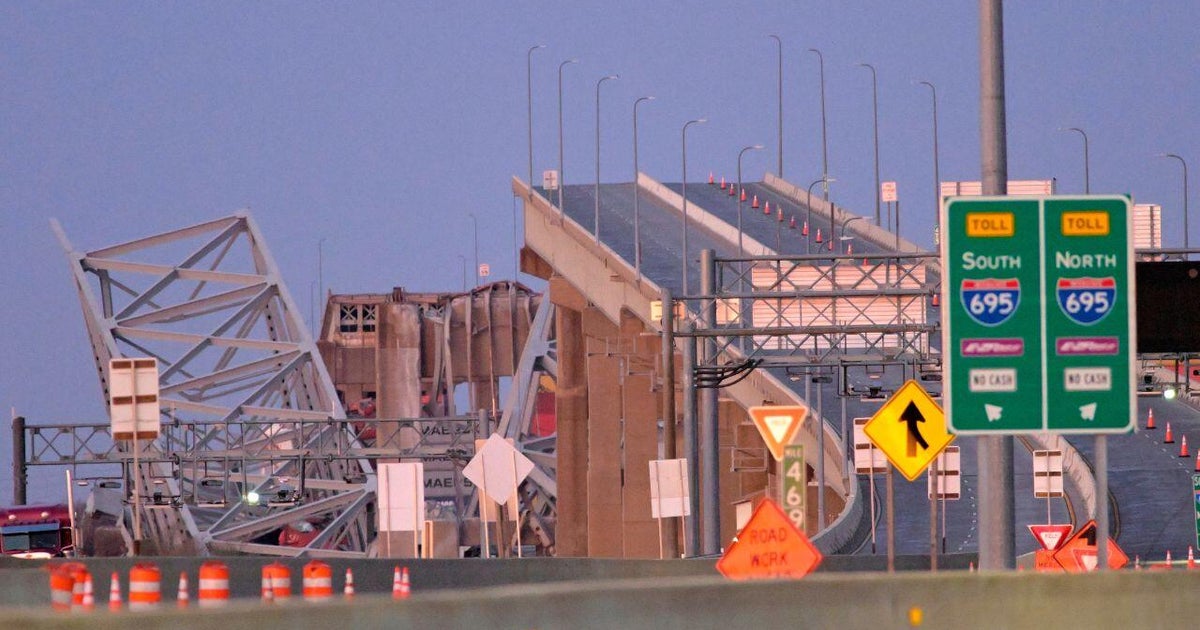
Maryland now estimates replacing the Francis Scott Key Bridge will cost $4.3 billion to $5.2 billion, while federal prosecutors have filed criminal charges against the ship operator and a senior employee. The article also highlights a $2.24 billion settlement with the ship's owner/operator and prior $102 million cleanup costs, underscoring the scale of legal and financial liabilities tied to the 2024 collapse. The event remains a major transportation and infrastructure disruption, with the bridge not expected to reopen until late 2030.
The equity-market implication is not the bridge itself but the escalation path: the settlement headline removes one overhang, while criminal charges extend the event from a civil loss into a governance and reputational problem for the operator and possibly its industrial counterparties. That matters because it raises the probability of indemnity disputes, insurance subrogation, and follow-on claims across ship design, maintenance, classification, and port-safety contractors over the next 6-18 months.
The second-order winner is the broader marine risk-transfer complex. A single high-severity casualty with a multi-billion-dollar rebuild pushes pricing power toward hull, liability, and port/interruption underwriters, but only after claims severity is digested; the lag means the trade is better in reinsurance and specialty commercial lines than in primary insurers with concentrated exposure. The loser set is less about one operator and more about any balance sheet tied to aging port infrastructure, because this strengthens the case for accelerated capex, higher inspection frequency, and more conservative permitting standards across major U.S. ports.
The biggest non-obvious risk is policy reaction: if regulators respond with stricter bridge clearances, tug requirements, or vessel-route constraints, the cost burden shifts to shippers and terminal operators, creating a medium-term drag on port throughput and rail/trucking substitution economics. That would be bearish for names exposed to East Coast container flows, but supportive for inland intermodal and Gulf/West Coast alternatives if cargo reroutes over 12-24 months.
The contrarian point is that the market may be underestimating how much of the ultimate economics have already been de-risked by settlements, while overestimating the speed of any recovery in sentiment. The remaining catalyst stack is legal, not operational: criminal proceedings can keep the story alive even after cash liabilities are capped, but the incremental stock-specific downside should narrow unless new evidence ties a larger circle of parties into the failure chain.
AI-powered research, real-time alerts, and portfolio analytics for institutional investors.
Request DemoOverall Sentiment
strongly negative
Sentiment Score
-0.72
