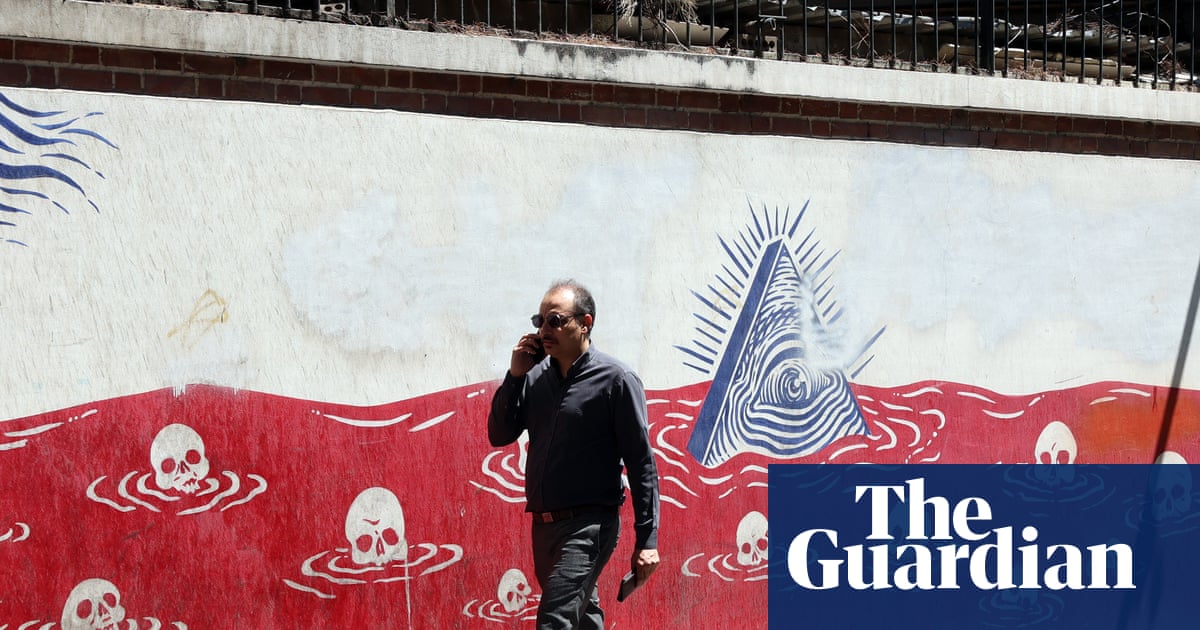
US strikes on Iranian targets killed four Iranian soldiers, but Tehran has not withdrawn from peace talks mediated by Pakistan and Qatar. Brent crude oil futures rose 4% as renewed fighting raised concerns about escalation in the Strait of Hormuz. Trump also postponed a rare cabinet meeting at Camp David, underscoring the seriousness of the geopolitical situation.
The market is still treating this as a contained escalation, but the first-order oil move understates the second-order risk premium now being re-rated into energy, shipping, and defense. The key nuance is that Tehran did not walk away from talks after a kinetic hit, which suggests leadership is trying to preserve optionality; that lowers the odds of an immediate broad supply shock, but raises the odds of a series of asymmetric, deniable responses that keep Brent bid for weeks rather than days.
The most mispriced asset class is likely tanker and marine insurance exposure. Even without a formal blockade, any sustained threat to the Strait of Hormuz widens voyage times, increases war-risk premia, and compresses effective global supply; that tends to show up first in refined product spreads and VLCC rates before it fully impacts headline crude. Defense contractors should also benefit on a lag as allies accelerate inventory replenishment and missile-defense spending, particularly if the event sequence reinforces the view that regional deterrence is deteriorating.
The contrarian takeaway is that the current move may be underpriced if traders assume diplomacy is a binary off-ramp. A peace process under active mediation can coexist with intermittent strikes, which is actually the more dangerous setup for markets because it prolongs uncertainty and forces hedging demand across commodities. The main reversal catalyst is a clear signal of de-escalation from both sides or a rapid return to credible, enforceable shipping security; absent that, elevated vol is the base case into the next 2-6 weeks.
AI-powered research, real-time alerts, and portfolio analytics for institutional investors.
Request DemoOverall Sentiment
strongly negative
Sentiment Score
-0.55
