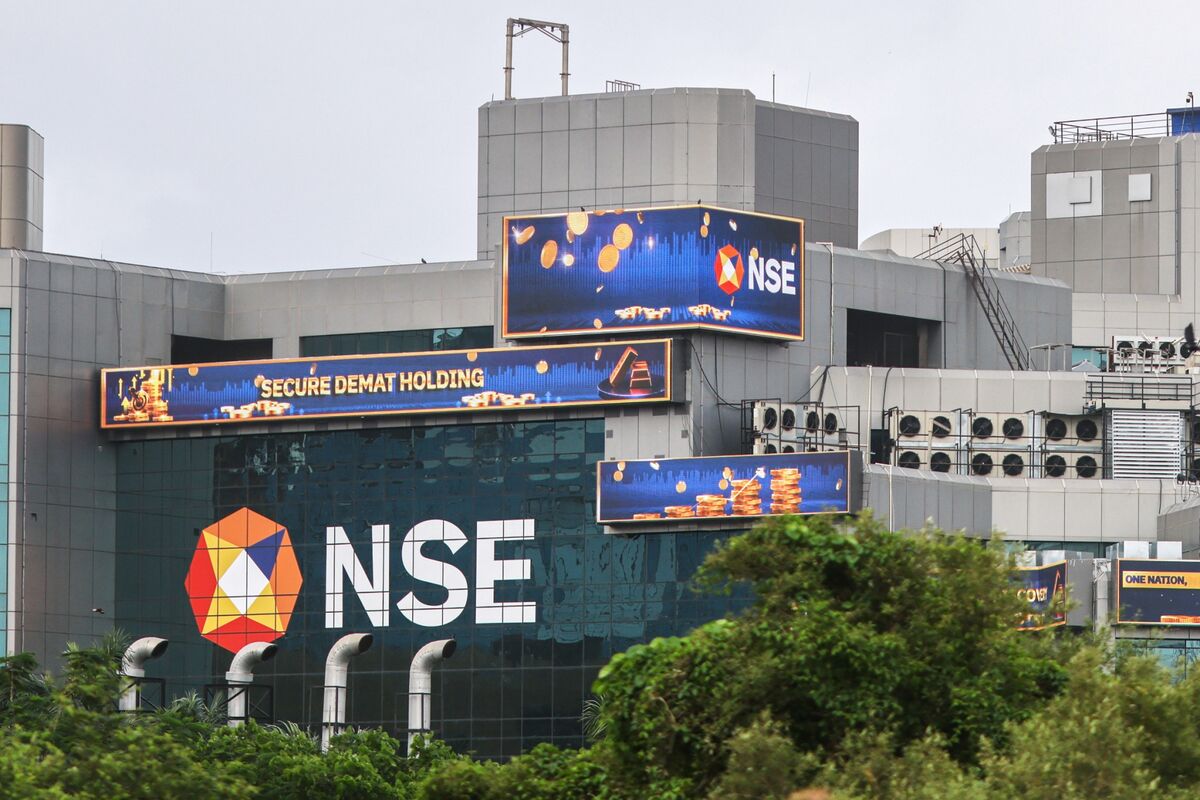
Asian markets are soft as a semiconductor selloff intensifies amid elevated bond yields and geopolitical uncertainty, while India’s Nifty 50 extended losses for a sixth straight session. Separately, India’s National Stock Exchange is seeking an IPO valuation of up to $55B, where a 6% stake could raise about 315 billion rupees—potentially positioning it as the country’s largest IPO. The overall tone remains cautious given the rate-and-risk backdrop weighing on global and local risk assets.
The immediate market read-through is less about the IPO itself and more about what it says about the monetization of India’s market plumbing. A public NSE would likely deepen the valuation gap between the dominant exchange franchise and smaller listed capital-markets proxies, but the bigger near-term effect is sentiment: when a flagship financial asset comes to market at a rich price, it can temporarily drain risk appetite from the rest of the complex, especially with yields higher and the rupee under pressure.
For BSE, the first-order selloff is probably over-allocating to share-shift risk. Exchange economics are unusually sticky: the dominant driver is not venue branding but retail/options turnover, which is more a function of volatility, rates, and leveraged speculation than of one venue’s listing status. The sharper second-order loser could be brokers and market makers if elevated bond yields keep compressing turnover; that would hit ANGELONE, MOTILALOSW, and the broader India trading-beta basket before it meaningfully changes exchange duopoly share.
The key catalyst path is timing. In the next few days, sentiment can stay weak if foreign outflows persist and the market keeps de-risking; over 1-3 months, the real test is whether NSE filing terms and regulatory approvals arrive cleanly, because that determines whether the move is a one-off valuation event or the start of a re-rating for the entire capital-market stack. Over 6-18 months, the contrarian risk is that the IPO becomes a governance and liquidity win for India, not a competitive threat—making the current selloff in listed market infrastructure look more like a tactical unwind than a structural thesis.
AI-powered research, real-time alerts, and portfolio analytics for institutional investors.
Overall Sentiment
mildly negative
Sentiment Score
-0.25
Ticker Sentiment
