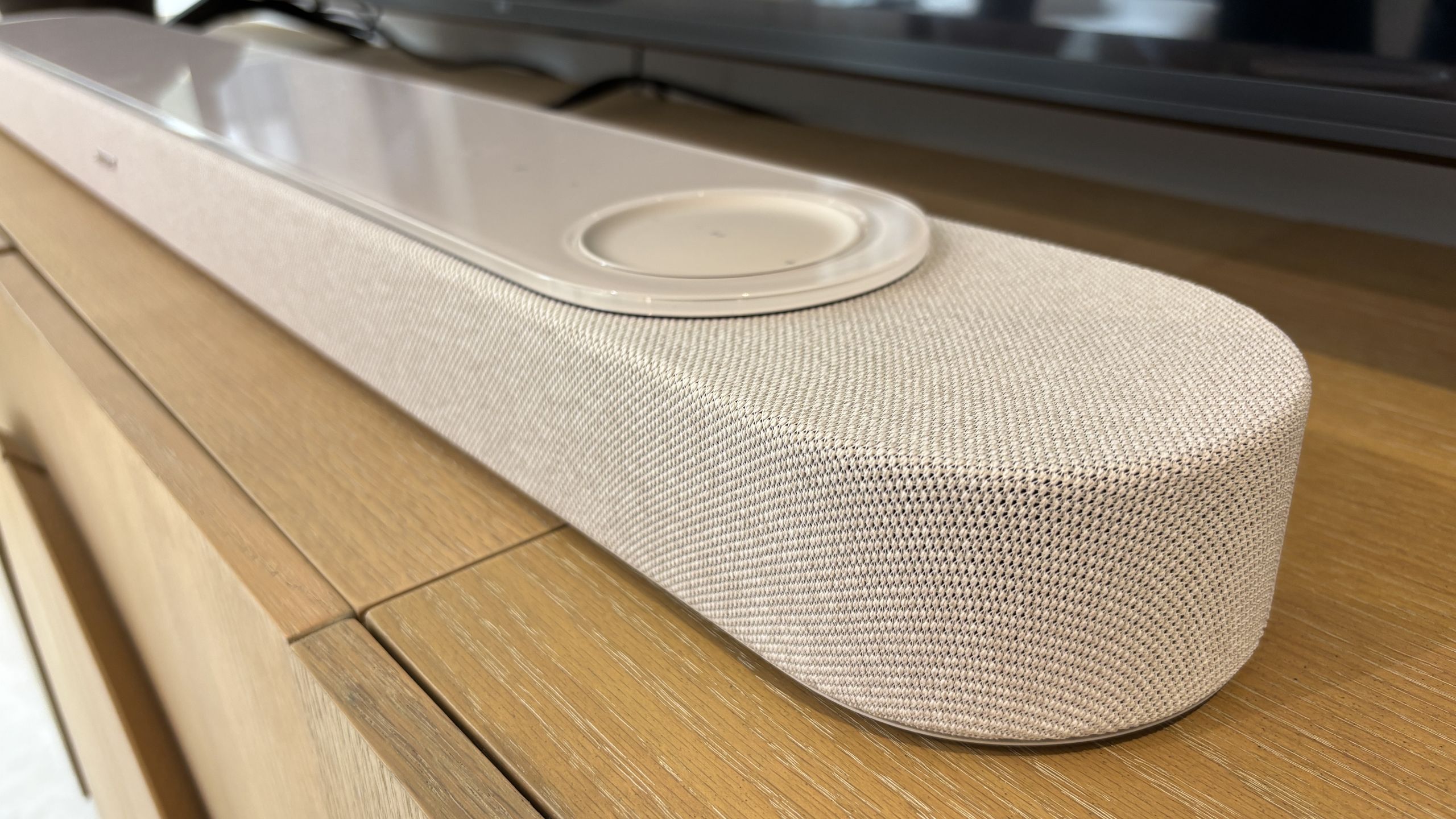
Bose launched a new Lifestyle Ultra home audio lineup, led by a $1,099 Dolby Atmos soundbar, plus a $899 subwoofer and a $299 wireless speaker, positioning the products directly against Sonos. The soundbar adds nine drivers, AI-driven SpeechClarity, CustomTune room calibration, and broad streaming support including Bluetooth 5.3, Google Cast, AirPlay and Spotify Connect. The release is positive for Bose as a product refresh, but the market impact is likely limited to consumer audio competition rather than broader price action.
Bose’s launch is strategically aimed less at expanding the overall premium audio market than at compressing Sonos’ moat in the one segment where brand, ecosystem, and room-tuning software matter most. The key second-order effect is not just unit share loss for SONO, but higher customer acquisition and retention costs as competitors normalize similar feature sets at the same price points; that makes hardware gross margin defense harder if Sonos has to spend more on promotions or bundling to preserve attach rates.
The near-term read-through is negative for SONO because the market typically prices in ecosystem lock-in and assumes category leadership is durable, yet premium audio buyers are increasingly cross-shopping on spec sheets and app experience rather than legacy brand preference. Bose’s AI-driven dialogue enhancement and room calibration tools are particularly relevant because they attack the core use case that drives upgrade decisions in living-room soundbars: perceived clarity, not just loudness. That suggests the competitive impact will show up first in holiday sell-through and retailer shelf share, then in 1-2 quarter revenue/margin pressure if Sonos responds with discounts.
Contrarian angle: the move may be more defensive than disruptive. Bose is entering with a full stack, but the lack of backward compatibility and missing connectivity breadth at launch could limit ecosystem stickiness versus Sonos’ installed base, so the long-term share transfer may be incremental rather than abrupt. The bigger overhang is that this validates premium home audio as a feature-led arms race; if Bose can force parity, the sector’s pricing power compresses, which is bearish for hardware margins across the category even if Sonos defends top-line share.
Catalyst-wise, watch retailer commentary and preorder velocity over the next 30-90 days, then the first holiday promo window. If SONO management leans into discounting or channel incentives to protect share, the downside can persist for several quarters; if sell-through is soft for Bose, the stock could stabilize quickly as this becomes another spec-driven launch rather than a structural threat.
AI-powered research, real-time alerts, and portfolio analytics for institutional investors.
Request DemoOverall Sentiment
mildly positive
Sentiment Score
0.32
Ticker Sentiment
