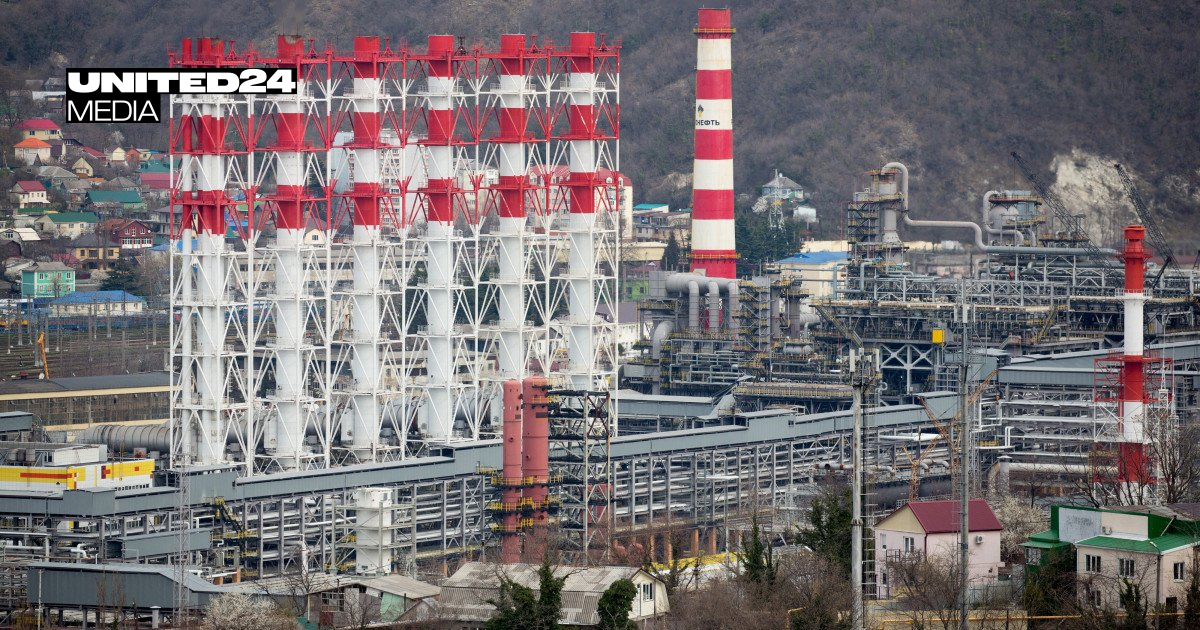
Ukrainian strikes damaged the Tuapse oil refinery in Krasnodar, a facility with an annual capacity of about 12 million tons of crude and fuel output used by Russian forces. Separate attacks reportedly hit intelligence, command, radar, drone-production, and logistics assets across Voronezh, Taganrog, Sevastopol, Luhansk, Zaporizhzhia, and near Kadiivka, with a missile strike also reported on the Baltimore air base in Voronezh. The scale and dispersion of the attacks point to continued pressure on Russian energy and military infrastructure, with potential localized effects on fuel supply and defense operations.
The immediate market read is not just a headline risk premium for crude, but a widening dispersions trade across the European energy complex. Repeated hits on Russian refining and military logistics raise the probability of a persistent product deficit rather than a simple crude disruption, which matters because diesel and jet fuel are the marginal pain points for transport, aviation, and military readiness. That tends to support middle-distillate cracks more than outright Brent, and it can surface first in regional inland pricing, shipping insurance, and time-charter costs before it shows up in global benchmarks.
Second-order effects likely favor non-Russian refiners with Atlantic Basin access and complex conversion capacity, especially those able to swing into higher diesel yields. The more durable beneficiary set is not the upstream producers already priced for geopolitical risk, but refiners and tanker owners if outages force longer export routes and create last-minute cargo rerouting. Over a multi-week horizon, the bigger trade is inventory psychology: buyers will add precautionary stocks, which can tighten prompt spreads even if headline crude supply looks intact.
The key tail risk is escalation into infrastructure that affects Black Sea logistics and export cadence, which would broaden the shock from a refinery-specific issue into a sustained regional supply-chain disruption. But the contrarian point is that markets often overprice one-off strike frequency and underprice repair speed plus Russia’s ability to reroute crude to less vulnerable outlets. If the damage is contained and repairs are rapid, the energy bid fades quickly; the more attractive setup is to own optionality on refined product volatility rather than chase directional crude exposure.
Near term, the catalyst window is days to 2-3 weeks: satellite confirmation, shipping movements, and any evidence of diesel export curtailment. Over months, the question is whether this becomes a structural degradation of Russian refining utilization and military fuel logistics, which would be far more material than a temporary outage.
AI-powered research, real-time alerts, and portfolio analytics for institutional investors.
Request DemoOverall Sentiment
strongly negative
Sentiment Score
-0.60
