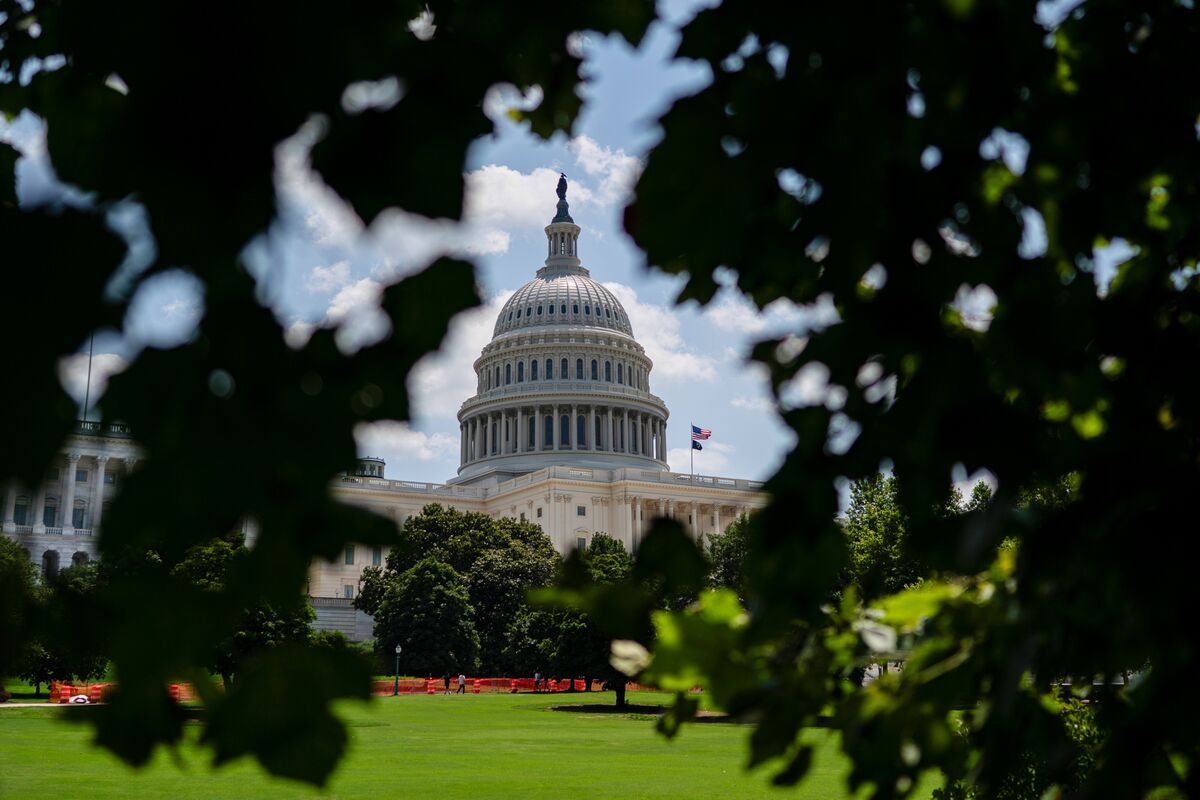
President Trump is intensifying pressure on Republican holdouts regarding his multi-trillion dollar tax bill, as internal GOP divisions jeopardize a self-imposed July 4 deadline. Key unresolved issues, including the state and local tax deduction, Medicaid funding, and the scale of spending cuts, highlight significant legislative hurdles for the administration's fiscal agenda and introduce uncertainty into the tax reform timeline.
The proposed multi-trillion dollar tax bill is facing significant internal headwinds within the Republican party, jeopardizing the administration's self-imposed July 4 deadline and creating uncertainty around a key fiscal policy initiative. The high market impact score of 0.7 indicates that the outcome is considered highly consequential for the broader economy. Key sticking points include the state and local tax (SALT) deduction, which is critical for lawmakers in high-tax states such as New York, New Jersey, and California, as well as unresolved disputes over Medicaid and the magnitude of spending cuts. This legislative gridlock, reflected in the moderately negative sentiment and uncertain tone, suggests that the final bill, if passed, could differ substantially from its initial proposal, or its timeline could be significantly extended.
AI-powered research, real-time alerts, and portfolio analytics for institutional investors.
Request DemoOverall Sentiment
moderately negative
Sentiment Score
-0.40
