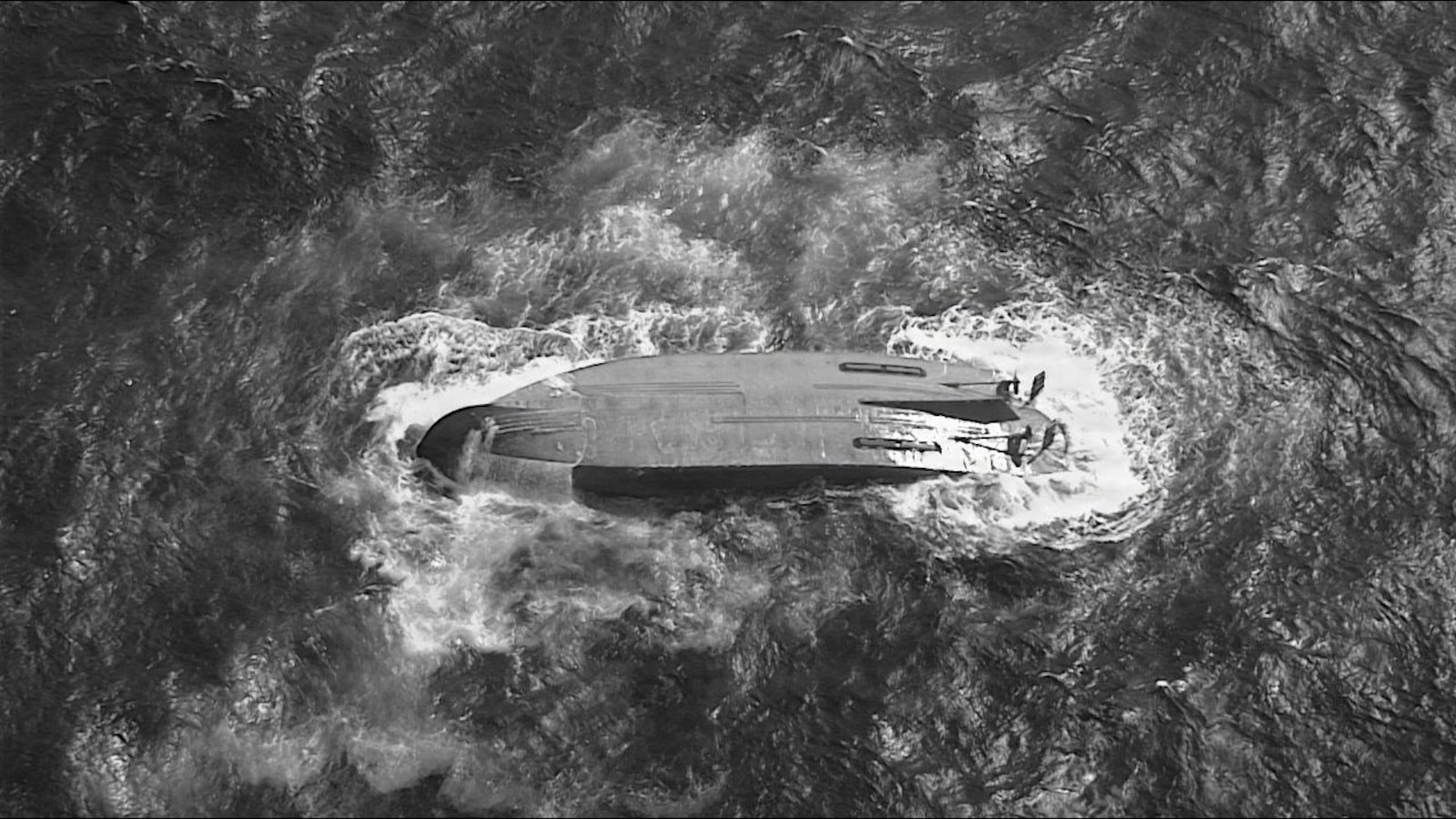
A 145-foot U.S.-registered cargo vessel, the Mariana, was found overturned near Saipan after Typhoon Sinlaku, with six crew members still missing. The ship lost its starboard engine Wednesday and lost contact Thursday; search operations have covered more than 75,000 square nautical miles with assistance from Guam, Japan and New Zealand. The incident is primarily a maritime distress and disaster response story, with limited direct market impact.
The first-order equity impact is small, but the second-order read-through is meaningful for anyone exposed to Pacific logistics, defense SAR capacity, and island infrastructure recovery. A prolonged search-and-rescue operation plus storm damage usually creates a short-term revenue bump for maritime services, aviation support, and emergency logistics providers, but it also exposes how thin redundancy is in remote archipelagic supply chains; that raises the probability of follow-on vessel delays, higher insurance premia, and temporary fuel/food inventory drawdowns across the CNMI over the next 1-3 weeks.
The real market issue is not the missing vessel itself; it is the signal that a single weather event can freeze a node in a route network for days and force expensive rerouting. That tends to benefit operators with diversified Pacific lift, warehousing, and medevac/search-and-rescue capability, while hurting smaller island freight operators and any business dependent on just-in-time replenishment. If port access or channel conditions are impaired, the lagged effects can persist 1-2 quarters via higher working capital, spoilage, and schedule unreliability.
A contrarian read is that investors may overestimate the duration of the operational disruption and underprice the resilience response. Once weather clears, emergency demand tends to normalize quickly, but insurance and maintenance costs reprice more slowly; that creates a window where the headline risk fades before earnings revisions do. The best setup is to fade short-dated panic in locally exposed names while staying alert for a broader repricing in maritime insurers and defense/logistics contractors if storm frequency begins to affect route reliability more than the occasional isolated incident.
Catalyst-wise, the next 48-72 hours matter for rescue outcomes and asset condition, while the next 2-6 weeks matter for port throughput, local replenishment, and any follow-on damage assessments. If the vessel is deemed a total loss or the storm reveals wider harbor/port infrastructure damage, the trade shifts from a one-off incident to a more durable resilience capex story. That would be positive for equipment, communications, and emergency response contractors, but negative for operators reliant on high vessel utilization in the region.
AI-powered research, real-time alerts, and portfolio analytics for institutional investors.
Request DemoOverall Sentiment
moderately negative
Sentiment Score
-0.35
