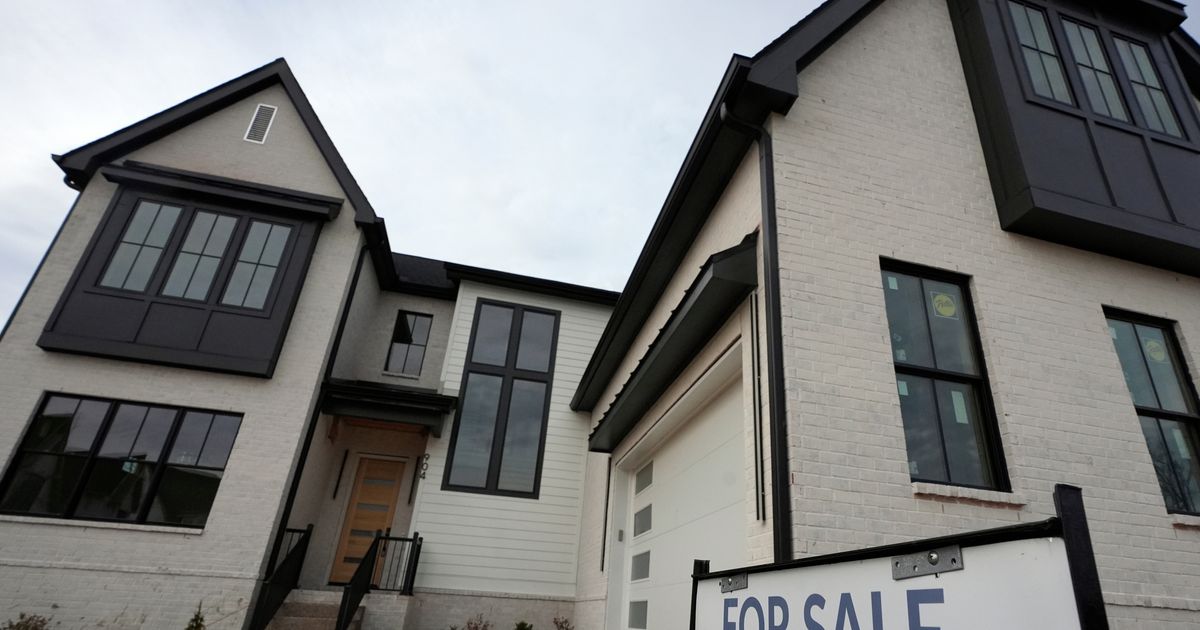
U.S. existing home sales were nearly flat in April at a 4.02 million annual rate, below the 4.12 million expected and still far under the roughly 5.2 million long-run norm. Median home prices rose 0.9% year over year to a record $417,700 for April, while inventory improved to 1.47 million unsold homes, or 4.4 months of supply. The data point to a sluggish housing market constrained by still-elevated mortgage rates and limited supply.
The key takeaway is not just “weak housing,” but that the market is becoming increasingly inert: low turnover is now self-reinforcing. When transaction volume stalls near a structurally depressed level, the industry loses the normal clearing mechanism that would force price discovery, so affordability stays broken even as nominal prices grind higher. That is bearish for any segment that relies on churn rather than price appreciation to grow earnings.
The second-order effect is a widening split between owners and everyone monetizing turnover. Existing-home brokerages, mortgage originators, title, escrow, and moving-related spend remain under pressure because even modest rate relief is not translating into meaningful volume. Meanwhile, homeowners with low locked-in mortgages are effectively a structural supply cartel: they are unwilling to list unless compelled by life events, which keeps inventory tight enough to support prices even in a weak demand backdrop.
From a macro lens, this is a “disinflation but not deflation” setup. Shelter inflation should cool only gradually because the housing stock is not clearing; that matters for Fed timing and for rate sensitivity across cyclicals. The more interesting risk is that if energy-led inflation reaccelerates, mortgage rates can back up quickly and prolong the freeze, creating a negative feedback loop where affordability worsens faster than incomes can adjust.
Contrarian angle: the consensus is probably too focused on the absence of a collapse in prices and not enough on duration. This is not a sharp downturn that creates a near-term bottom-fishing opportunity; it is a long, low-volatility drag that can persist for quarters. The tradeable edge is in dispersion: companies exposed to home purchase transactions should underperform, while those with renovation/remodeling or rental exposure are relatively insulated because demand is shifting from move-up activity toward staying put and improving existing homes.
AI-powered research, real-time alerts, and portfolio analytics for institutional investors.
Request DemoOverall Sentiment
mildly negative
Sentiment Score
-0.25
