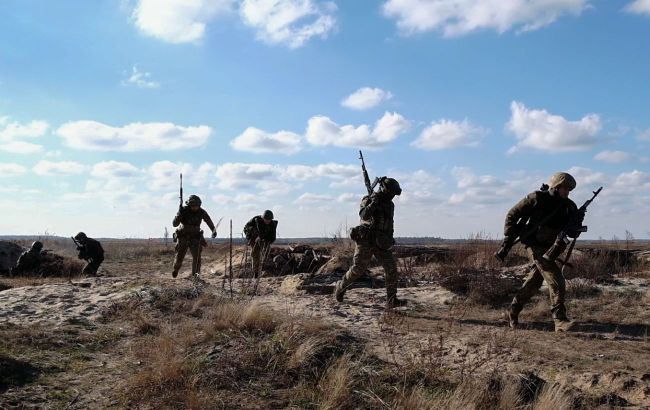
Ukrainian forces reported their biggest battlefield gains since the August 2024 Kursk incursion, including regaining significant territory near Kupiansk, liberating more than 400 square kilometers in the south during winter-spring 2026, and advancing in western Zaporizhzhia. ISW says these counterattacks are creating operational pressure on Russian offensive plans, while intensified Ukrainian medium-range strikes have reduced Russia’s ability to conduct offensive operations across the front. Russia signed only 70,500 military contracts in Q1 2026, underscoring replenishment challenges.
The market implication is not “Ukraine is winning,” but that Russia’s marginal offensive capacity is being consumed faster than it can be regenerated. That matters because once the attacker is forced into a force-protection cycle, the main tradable consequence is usually lower near-term escalation risk around the front but higher pressure on Russia’s sustainment network: more demand for fuel, trucks, air defense, EW, and repair capacity without the ability to concentrate them efficiently. In other words, this is a logistics attrition story before it is a territorial story.
The second-order effect is asymmetric for defense suppliers. Systems that enable long-range sensing, drones, counter-drone, and strike reconnaissance should outperform heavy legacy platforms, because the conflict is increasingly defined by kill-chain speed and dispersal rather than massed maneuver. That creates a broader lesson for European militaries: replenishment budgets are likely to skew toward consumables and software-enabled assets, which supports recurring revenue profiles more than one-time hardware wins.
The main risk is that the operational picture can reverse quickly if Russia trades space for time and completes a partial manpower/logistics reset over the next 1-3 months. A temporary pause in Ukrainian strike intensity or a surge in Russian mobilization would likely restore artillery dominance in localized sectors even if the broader initiative remains contested. For investors, the better signal is not headline battlefield movement but whether Ukrainian strike throughput stays high into the summer, because that is what determines whether Russian offensive options remain constrained through Q3.
Consensus may be underestimating how much this de-risks European transportation and infrastructure assets relative to a year ago, while overestimating the chance of an immediate ceasefire premium. The more likely near-term outcome is prolonged attrition with periodic spikes in disruption, which keeps defense spending elevated and energy/logistics volatility embedded. That favors buying the suppliers of persistence and interdiction, not directional bets on a swift political resolution.
AI-powered research, real-time alerts, and portfolio analytics for institutional investors.
Request DemoOverall Sentiment
mildly positive
Sentiment Score
0.30
