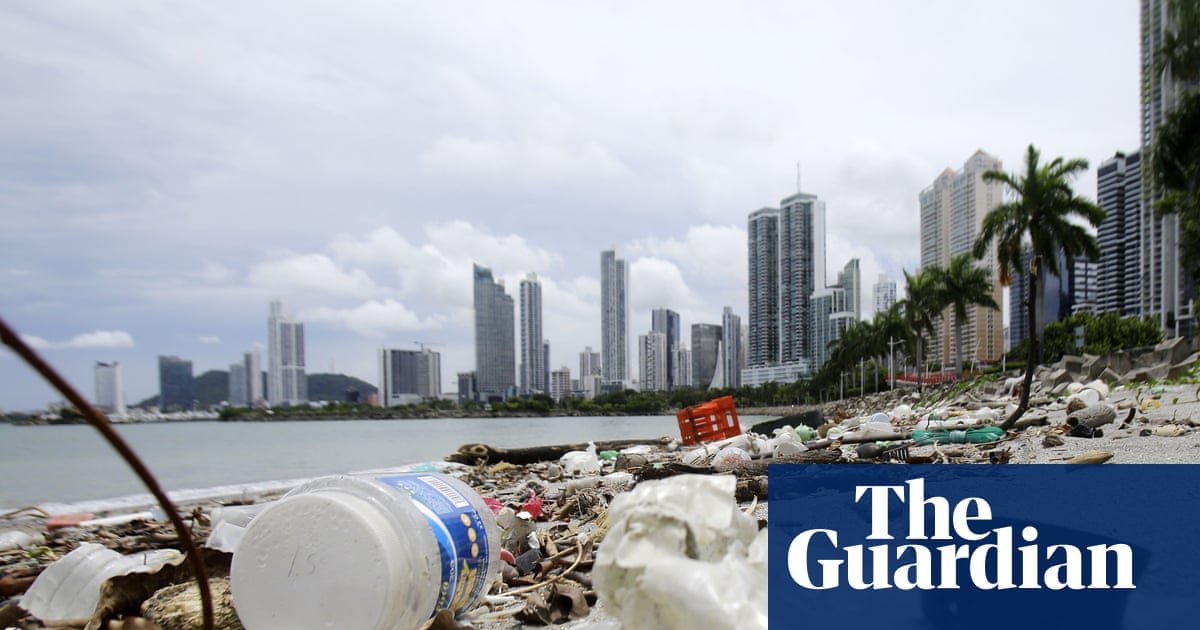
Negotiators failed to finalize a global plastics treaty in its supposed final round, remaining deadlocked over whether the accord should mandate reductions in plastic production growth and legally binding controls on toxic chemicals, or primarily focus on waste management and recycling. Despite new draft texts, 184 countries could not agree on a basis for negotiation, highlighting a significant divide between nations advocating for production limits and those with strong oil and gas industry ties opposing such caps. This impasse means the exponential growth of plastic production, currently 400m tonnes annually and projected to increase by 70% by 2040 without policy changes, remains unaddressed by a global regulatory framework, signaling continued environmental challenges and regulatory uncertainty for the industry.
The failure to secure a global plastics treaty during the latest negotiating round represents a significant, albeit temporary, reprieve for the petrochemical industry and a setback for global environmental regulation. The deadlock stems from a fundamental conflict between approximately 100 nations advocating for legally binding caps on virgin plastic production and controls on toxic chemicals, and a bloc of oil-producing states, including Saudi Arabia and Kuwait, who successfully argued to limit the treaty's scope to post-production issues like waste management and recycling. This impasse ensures the current production trajectory—over 400 million tonnes annually and projected to grow by 70% by 2040—remains unconstrained by a global framework. For the oil and gas sector, this outcome protects a critical demand driver for their raw materials. However, the strong negative sentiment and disappointment from a majority of participating nations and scientific bodies indicate that regulatory pressure will not dissipate; instead, it is likely to fragment, leading to a more complex and uncertain landscape of regional and national-level policies that companies in the plastics value chain will eventually have to navigate.
AI-powered research, real-time alerts, and portfolio analytics for institutional investors.
Request DemoOverall Sentiment
strongly negative
Sentiment Score
-0.60
